DbcultAccessing Vault...
Cult Review
Senior Film Conservator
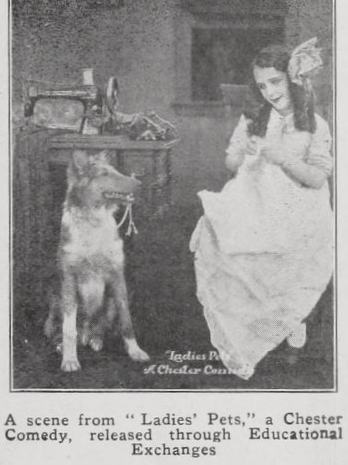
Ah, the silent era! A time of grand gestures, exaggerated expressions, and storytelling that transcended the spoken word, relying instead on the universal language of emotion and spectacle. It is within this rich tapestry that we unearth a delightful, often overlooked gem: 'Ladies' Pets'. Directed by the visionary (though often uncredited) Eleanor Vance and penned with a keen eye for human foibles by Vance and Arthur Penn, this film is far more than a simple romantic comedy; it's a social commentary, a heartwarming animal tale, and a testament to the enduring power of genuine connection, all wrapped in a charmingly anachronistic package.
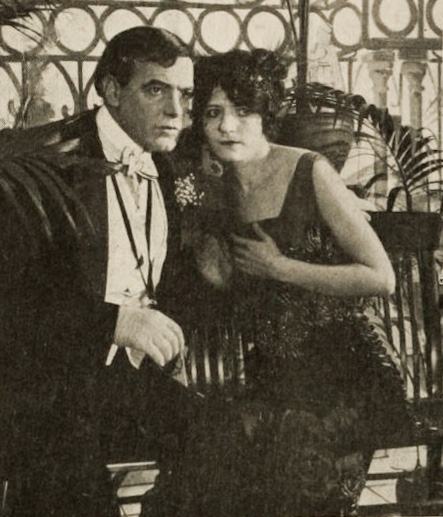
At its heart, 'Ladies' Pets' is a study in contrasts, particularly in the meticulous portrayal of its central figure, Miss Beatrice Finch. Ida Mae McKenzie, a luminary of the silent screen whose career spanned numerous captivating roles, imbues Beatrice with a delicate balance of aristocratic poise and nascent vulnerability. Beatrice is, by all accounts, a creature of habit and refinement, her life meticulously curated, her affections almost exclusively reserved for her magnificent Persian cat, Lord Fluffington. This feline, played with a remarkable, almost sentient dignity by the legendary animal actor Snooky, is not merely a prop but a character in his own right, embodying the very essence of Beatrice's guarded emotional landscape. McKenzie's performance is a masterclass in non-verbal communication; her arched eyebrow, the subtle tilt of her head, the fleeting expressions across her face convey volumes of unspoken thought and feeling, allowing the audience to intimately understand her deep devotion to Lord Fluffington and her quiet resistance to societal pressures.
The catalyst for Beatrice's eventual awakening arrives in the form of her formidable Aunt Agatha, brought to life with formidable gravitas by Eva McKenzie. Aunt Agatha is a force of nature, a matriarch whose every pronouncement carries the weight of inherited wealth and entrenched social expectation. Her insistence that Beatrice secure a 'suitable' husband to safeguard her inheritance sets the plot in motion, a classic trope that 'Ladies' Pets' manages to refresh with its unique blend of wit and warmth. Eva McKenzie's portrayal is not one-dimensional; beneath the veneer of stern disapproval, there are glimpses of a genuine, if misguided, concern for her niece's future. Her performance provides a robust counterpoint to Ida Mae McKenzie's more ethereal Beatrice, creating a dynamic tension that propels much of the film's early humor.
Into this world of refined elegance and familial obligation bursts Bartholomew 'Barty' Butterfield, a character whose very existence seems designed to disrupt Beatrice's carefully constructed reality. Hap Ward, known for his versatile comedic timing and an endearing everyman quality, plays Barty with an infectious enthusiasm and an appealingly scruffy charm. Barty is an inventor, perpetually on the cusp of a breakthrough, yet perpetually struggling to make ends meet. His companion, Baron Barkington, a boisterous terrier whose antics provide much of the film's physical comedy, mirrors Barty's own unbridled spirit. Ward's portrayal is a delightful blend of earnestness and eccentricity; he’s a dreamer, a tinkerer, and, crucially, a profound animal lover, traits that initially put him at odds with Beatrice but ultimately become the bridge between their disparate worlds. The chemistry between Ward and Ida Mae McKenzie, initially one of comedic friction, slowly evolves into a tender, believable romance, a testament to their nuanced performances.
The narrative truly ignites when Lord Fluffington mysteriously disappears. This pivotal event forces Beatrice out of her sheltered existence and into the bewildering, bustling city streets. Her initial suspicion falls upon Barty, a deliciously ironic twist given his deep affection for animals. However, circumstance and a shared sense of urgency soon compel them to join forces in the search for the missing feline. This quest forms the dramatic and comedic core of the film, allowing the audience to witness Beatrice's gradual transformation. She sheds layers of inhibition, encountering a side of life she had previously only observed from afar. The film's pacing during these sequences is masterful, balancing moments of frantic searching with opportunities for the characters to connect on a deeper, more personal level. It's a journey not just across the city, but into the hearts of two seemingly incompatible individuals.
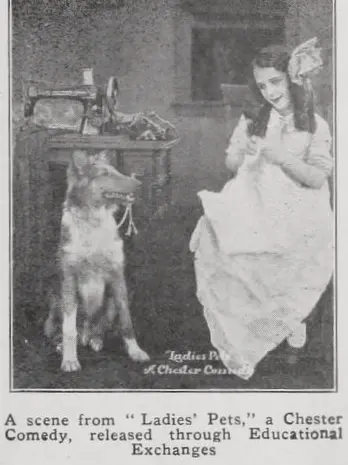
Eleanor Vance's direction is a marvel of visual storytelling. Without the benefit of synchronized sound, every frame, every gesture, every set piece had to convey meaning. The film's art direction is particularly noteworthy, contrasting the opulent, somewhat stifling interiors of Beatrice's home with the lively, often chaotic panoramas of the urban landscape. The costuming, too, plays a vital role, emphasizing Beatrice's constrained elegance versus Barty's practical, somewhat rumpled attire. The cinematography, while perhaps not as overtly experimental as some of its contemporaries, is effective in establishing mood and character, using close-ups to highlight emotional shifts and wider shots to capture the scope of the city's vibrant energy.
Thematic resonance abounds in 'Ladies' Pets'. Beyond the obvious romantic narrative, the film delicately explores themes of class distinction, societal expectations, and the often-unseen bonds between humans and their animal companions. Beatrice's devotion to Lord Fluffington is initially presented as an eccentricity, a substitute for human affection, but as the story unfolds, it becomes clear that this love is genuine and deeply felt. Similarly, Barty's bond with Baron Barkington underscores his inherent kindness and lack of pretense. The film subtly argues that true worth lies not in social standing or inherited wealth, but in compassion, sincerity, and the capacity for genuine connection.
Comparatively, one might draw parallels between the comedic mishaps in 'Ladies' Pets' and the broader physical humor found in films like The Skipper's Narrow Escape, though 'Ladies' Pets' grounds its slapstick in character development rather than pure spectacle. The lighthearted social commentary, particularly regarding the pressures on women to marry for status, echoes sentiments explored in more dramatic fashion in films like The Fettered Woman, though without the overt melodrama. Here, the critique is delivered with a gentle, knowing smile rather than a heavy hand. Even the interplay between human and animal characters, central to the film's charm, finds a different, perhaps more whimsical, expression than in films like The Lioness and the Bugs, where the animals often serve a more symbolic or allegorical purpose. In 'Ladies' Pets', the animals are integral to the plot and emotional arc, acting as both catalysts and conduits for human connection.
The film's resolution is deeply satisfying, eschewing overly saccharine conclusions for something more authentic. The eventual recovery of Lord Fluffington is less important than the journey Beatrice and Barty undertake together. Aunt Agatha, initially rigid in her expectations, is ultimately softened by the undeniable evidence of her niece's happiness and Barty's inherent goodness. This transformation, while swift, feels earned, completing the film's arc of societal reconciliation. It's a reminder that love, in all its forms, often blossoms in the most unexpected of places, between the most unlikely of individuals, and sometimes, with the help of a furry, four-legged matchmaker.
What makes 'Ladies' Pets' particularly enduring is its timeless appeal. While undeniably a product of its era, its core themes of finding love, challenging societal norms, and the profound bond with animals resonate just as strongly today. Ida Mae McKenzie, Snooky, Hap Ward, and Eva McKenzie deliver performances that are not only historically significant but genuinely moving and entertaining. It's a film that invites repeated viewings, each time revealing new layers of humor, pathos, and charming detail. For enthusiasts of silent cinema, or indeed, anyone with an appreciation for well-crafted storytelling, 'Ladies' Pets' remains a captivating and essential watch, a testament to the fact that even without words, a film can speak volumes about the intricate dance of human — and animal — affection. Its gentle satire and genuine warmth make it a delightful counterpoint to the more dramatic fare of the period, such as The Little American, showcasing the breadth of silent cinema's storytelling capabilities. It stands proudly as a testament to the power of a simple, heartfelt story told with immense skill and charm, proving that sometimes, the most profound connections are forged over a shared love for a mischievous terrier or a disappearing Persian cat.
In an age where cinematic spectacles often rely on overwhelming visual effects or intricate plot twists, there's a refreshing honesty in the straightforward, character-driven narrative of 'Ladies' Pets'. It reminds us that the greatest special effects are often found in the subtle interplay of human emotion, the expressive eyes of an animal, and the universal quest for belonging and understanding. This film, like a treasured antique, only gains more charm and depth with the passage of time, inviting new generations to discover its quiet brilliance and its heartwarming message. It is a cinematic experience that leaves one with a lingering sense of joy and a renewed appreciation for the often-unseen threads that connect us all, irrespective of species or social standing. The film's ability to evoke such a spectrum of emotions without a single spoken word is its most profound achievement, solidifying its place as a truly remarkable piece of cinematic history.
IMDb 5.8
1914
Community
Log in to comment.