DbcultAccessing Vault...
Cult Review
Senior Film Conservator
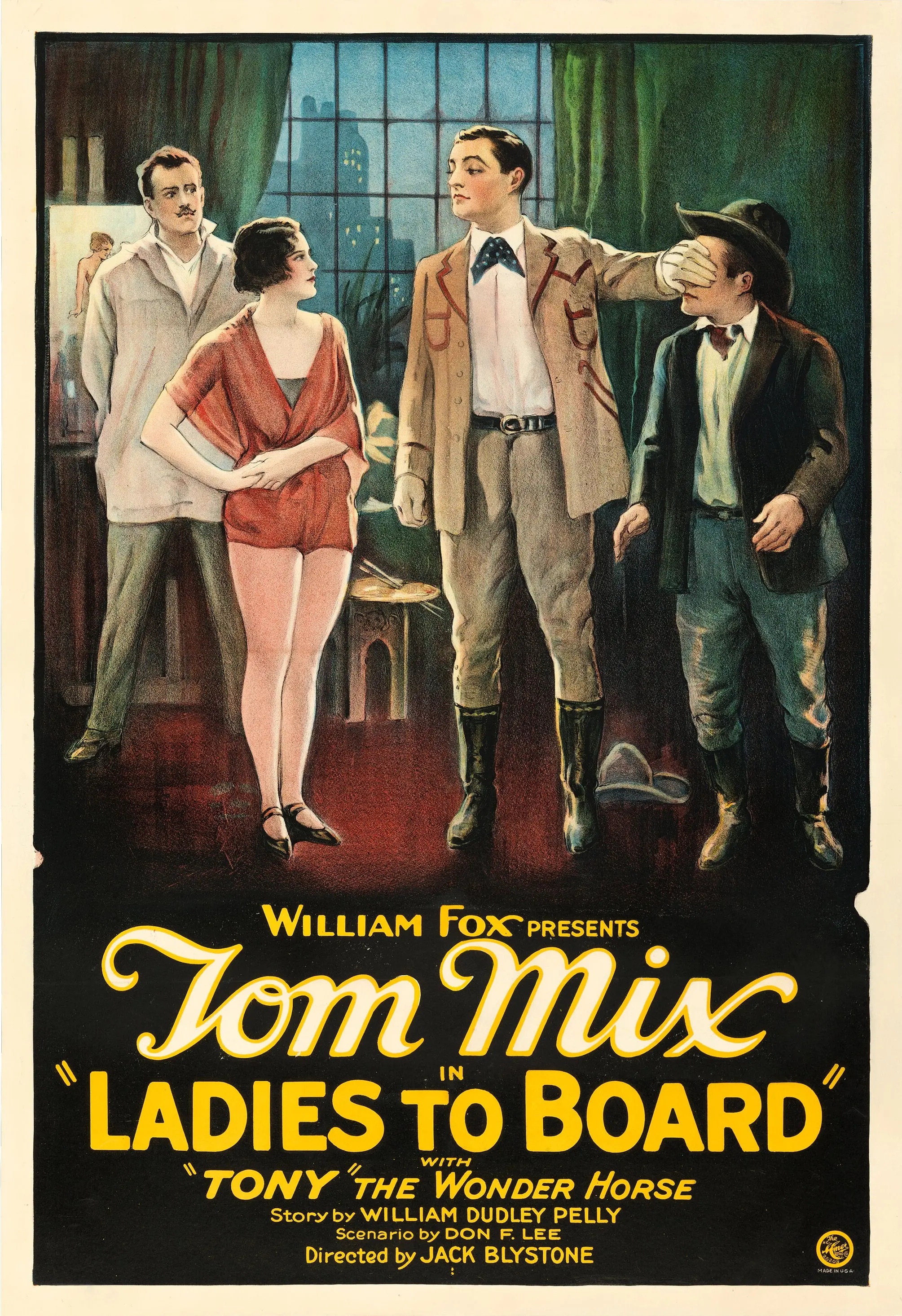
In the 1923 silent film 'Ladies to Board,' director William Nigh weaves a captivating narrative that defies straightforward categorization. This charming tale of love, legacy, and liberation expertly balances humor, romance, and drama, making it an absolute delight for film enthusiasts.
The story begins with a touching act of kindness, as Tom Faxton (played by Tom Mix) rescues a little old lady from a harrowing automobile accident. Grateful for his heroism, she bequeaths her estate – a sanitarium for aging ladies – to Tom, setting in motion a chain of events that will challenge his sense of purpose and identity.
As Tom assumes ownership of the sanitarium, he encounters a cast of characters that add depth and richness to the narrative. There's Edith Oliver (played by Gertrude Olmstead), a beautiful and charming resident of the establishment, who captures Tom's heart. Her neglectful boyfriend, Evan Carmichael (played by Philo McCullough), serves as a foil to Tom, highlighting the contrast between selfishness and genuine affection.
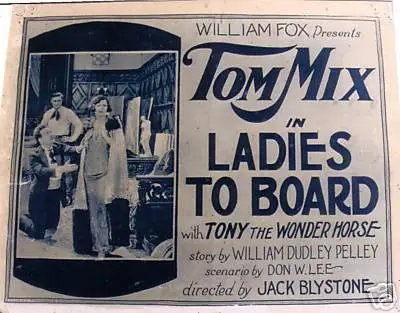
The romantic subplot between Tom and Edith is expertly interwoven with the themes of duty and responsibility. As Tom navigates his growing feelings for Edith, he must also contend with the weight of his newfound inheritance and the expectations that come with it. This delicate balancing act is further complicated by the antics of Tom's sidekick, Buck, who elopes with the establishment's housekeeper, creating a tangled web of relationships and priorities.
Throughout the film, the chemistry between the leads is undeniable, and their performances bring a sense of authenticity and vulnerability to the narrative. The supporting cast, including Gloria Roy and Gertrude Claire, add to the film's charm, imbuing their characters with a sense of warmth and humanity.
One of the most striking aspects of 'Ladies to Board' is its thought-provoking exploration of social norms and expectations. The film gently subverts traditional notions of romance and relationships, presenting a more nuanced and progressive vision of love and partnership. This is particularly evident in the character of Edith, who embodies a sense of independence and agency that is rare for female characters in films of this era.
In terms of cinematic craftsmanship, 'Ladies to Board' is a masterclass in storytelling and pacing. The film's use of location shooting and innovative camera techniques adds to its visual appeal, creating a sense of depth and texture that draws the viewer into the world of the film.
For fans of silent cinema, 'Ladies to Board' is a must-see film that offers a unique blend of entertainment and insight. Its themes of love, duty, and self-discovery are timeless and universal, making it a film that continues to resonate with audiences today. If you're interested in exploring more films from this era, be sure to check out Beasts of Paradise and Are You a Mason?, which offer similar blends of romance, drama, and social commentary.
In conclusion, 'Ladies to Board' is a hidden gem of silent cinema that deserves to be rediscovered by film enthusiasts. Its charming narrative, memorable characters, and thought-provoking themes make it a film that will leave you smiling long after the credits roll.
IMDb —
1918
Community
Log in to comment.