DbcultAccessing Vault...
5.1/10
Senior Film Conservator
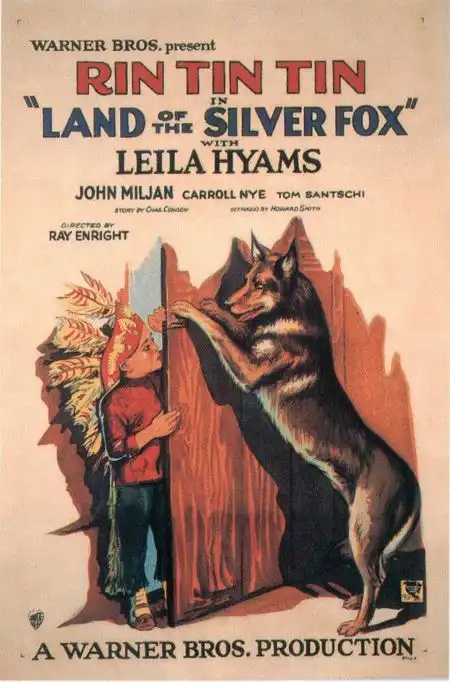
A definitive 5.1/10 rating for a film that redefined the boundaries of cult cinema. Land of the Silver Fox remains a cornerstone of transgressive art.
If you are looking for a reason to sit through Land of the Silver Fox today, it probably isn’t the plot. It’s the barking. This was marketed as Rin Tin Tin’s first 'barking talkie,' and the movie seems terrified that you might forget it. Every time Rinty opens his mouth, the sound department—still clearly figuring out how microphones worked in 1928—blasts a recording of a German Shepherd that sounds like it was captured inside a tin trash can. It’s loud, it’s distorted, and it’s arguably the most interesting thing about the film.
Is it worth watching? Only if you have a soft spot for the transitional era of cinema where nobody knew if they were making a silent movie or a sound one. Dog lovers will find the puppy scenes cute, but anyone looking for a coherent thriller will likely find the pacing a bit of a slog. It’s a movie for people who like to see how the gears of Hollywood used to grind before they were greased by modern editing.
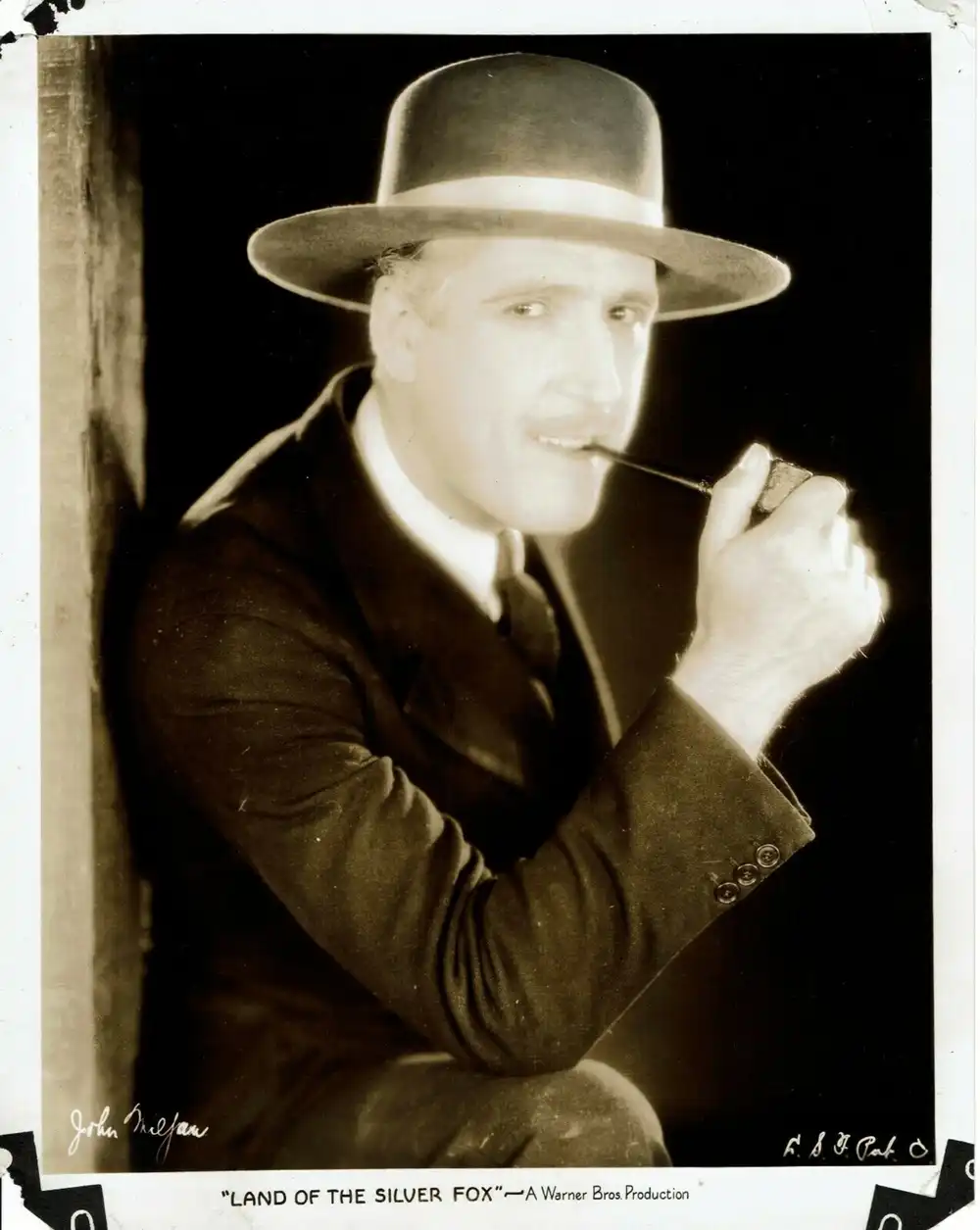
The story is basic North-woods stuff. You have the silver-fox trapping country, which looks suspiciously like the same three hills in California we saw in Arizona Nights. Rinty plays a dog who has been mistreated—a trope that Warner Bros. rode into the ground—and gets rescued by Leila Hyams. John Miljan is here as the villain, and he does that specific kind of silent-movie sneering that feels a bit out of place once you can actually hear the ambient noise of the scene. He’s a trapper, he’s mean, and he clearly doesn't like dogs. That’s about all the characterization we get.
There is a sequence about twenty minutes in where Rinty is introduced to his 'wife,' Nanette the Dog, and their seven puppies. It’s a bizarrely long scene. The camera just lingers on the puppies tumbling over each other. It feels like the director, Ray Enright, just gave up on the script for five minutes and decided to film a home movie of his pets. I’m not complaining—the puppies are the most natural actors in the whole thing—but it kills any momentum the 'trapping' plot had. It’s one of those moments where you can feel the movie stalling because they didn't have enough story to fill the runtime.
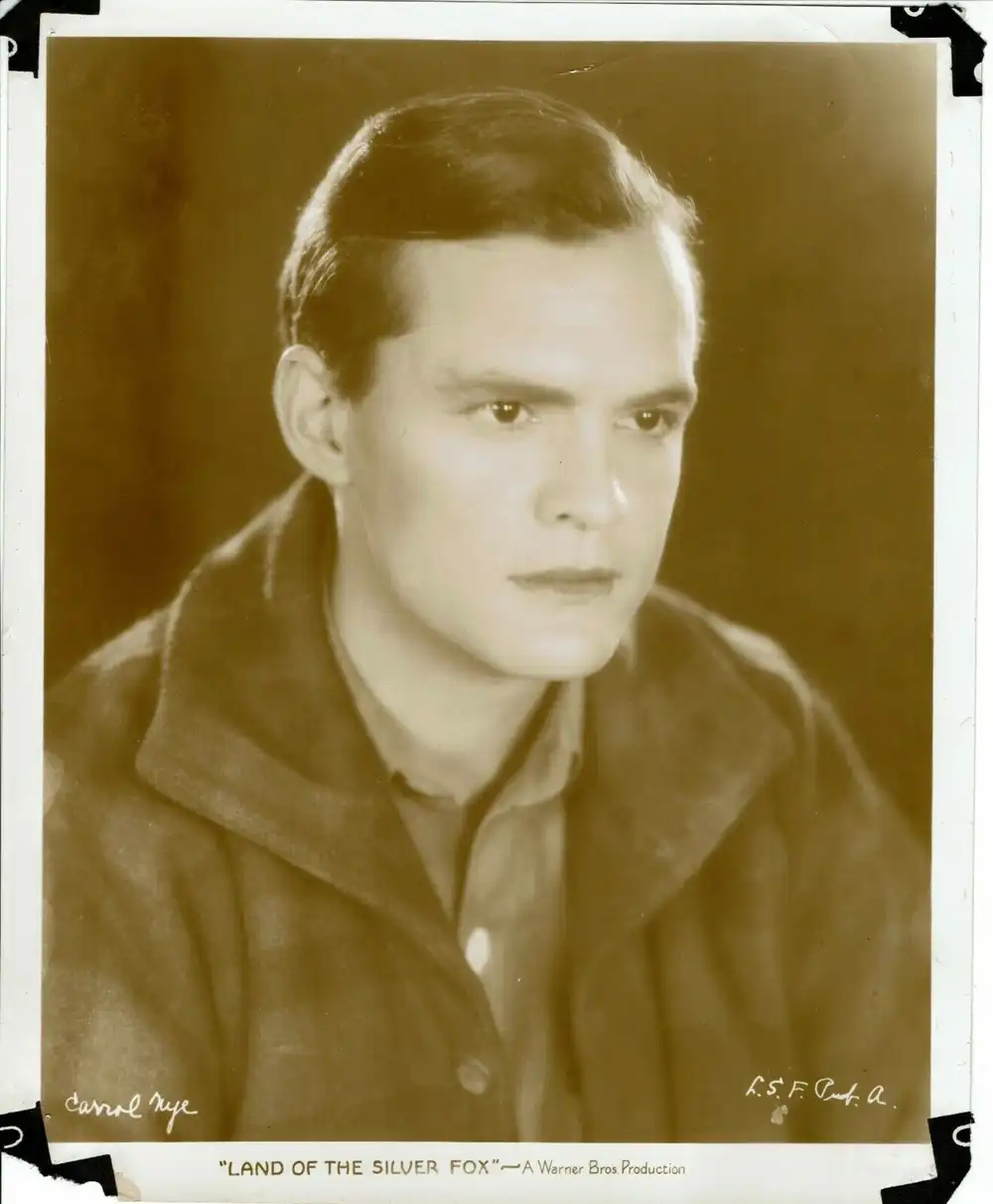
The chemistry between Leila Hyams and Carroll Nye is... fine? They both seem a bit distracted. Hyams has this way of looking just past the other actors, as if she’s trying to remember where her mark is. There’s a scene in a cabin where they’re discussing the fox trade, and the dialogue feels like it was written by someone who had read a pamphlet about trapping but had never actually met a trapper. It’s stiff and lacks the rhythm of real conversation. It reminds me of the stilted delivery in The Reckless Age, where the transition to sound seemed to make everyone forget how to move their bodies naturally.
I noticed a weird edit during the big rescue sequence toward the end. Rinty is supposed to be charging through the snow—or what looks like bleached cornflakes—and there’s a jump cut that puts him about ten feet further ahead than he was a second ago. It’s jarring. It’s the kind of mistake that wouldn't happen in a high-budget production today, but here it just adds to the sense that the crew was rushing to get the 'barking' onto the screen. Also, the fox trapping itself is handled with a 1920s lack of sentimentality that might upset modern viewers. The movie tries to make the foxes look like a commodity, but then it asks us to feel deep empathy for the dog. It’s a strange moral gap that the film never really bridges.
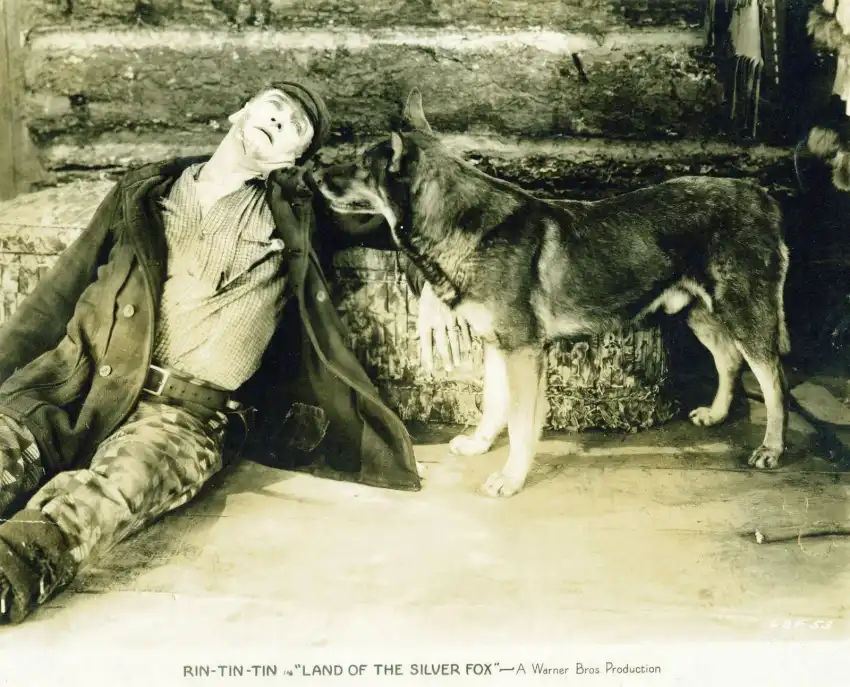
One shot that actually works is a close-up of Rinty watching the villain from behind a pine branch. The lighting is surprisingly moody for a B-picture. You can see the intelligence in the dog's eyes—Rin Tin Tin really was a phenomenal performer, regardless of the sound effects. He understood how to hold a gaze in a way that most of his human co-stars didn't. When he’s on screen, the movie feels focused. When it cuts back to the humans arguing about fox pelts, I found myself checking the time.
The sound design is the real culprit here. It’s not just the barking; it’s the silence. In these early talkies, the lack of a constant musical score makes the world feel empty. You hear a door creak, a muffled footstep, and then nothing but the hiss of the film strip. It creates an unintended atmosphere of loneliness, as if the characters are trapped in a vacuum. It’s a far cry from the polished soundscapes of later years, but it has a haunting quality if you’re in the right mood.
There’s a bit of 'damsel-in-distress' posturing that feels particularly dated. Leila Hyams is a capable actress, but the script forces her into these positions of helplessness just so the dog can have something to do. It’s a mechanical way of storytelling. You can almost see the screenwriters checking boxes: Dog saves girl, dog bites villain, dog gets a treat. It lacks the spontaneity of Rinty’s earlier silent work.
If you’ve seen Sherlock Brown or some of the other minor releases from this year, you’ll recognize the technical struggle. Everyone was trying to figure out how to balance the camera noise with the actors' voices. In Land of the Silver Fox, they seemingly gave up and just let the dog do the heavy lifting. It’s a messy, imperfect, and occasionally boring film that somehow remains watchable because of its star’s charisma. Rinty was a pro, even if the technology around him was still in its infancy. I don't think I’ll ever watch it again, but I’m glad I saw it once, if only to hear that distorted, metallic bark one more time.
IMDb —
1928
Community
Log in to comment.