DbcultAccessing Vault...
Cult Review
Senior Film Conservator
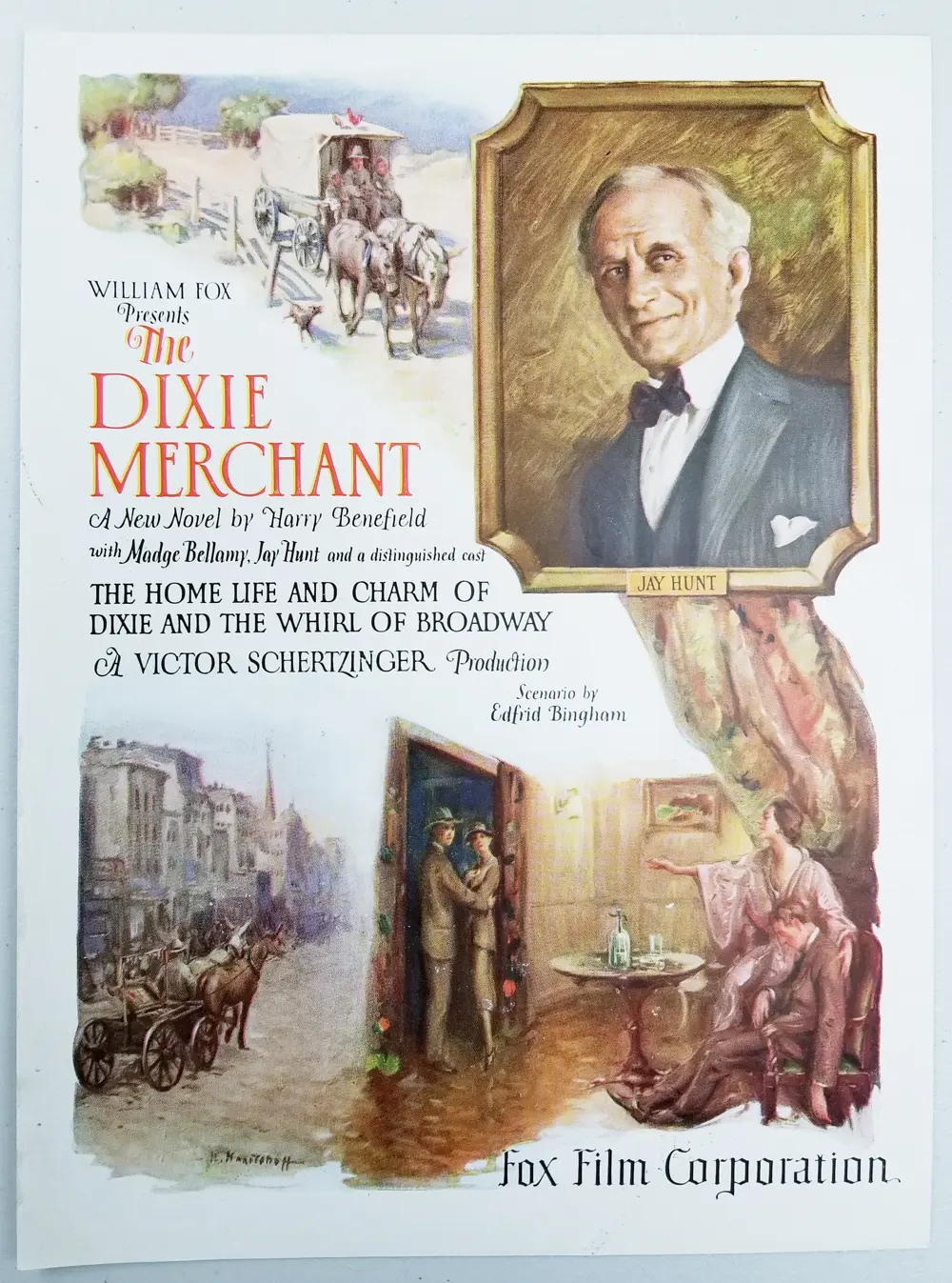
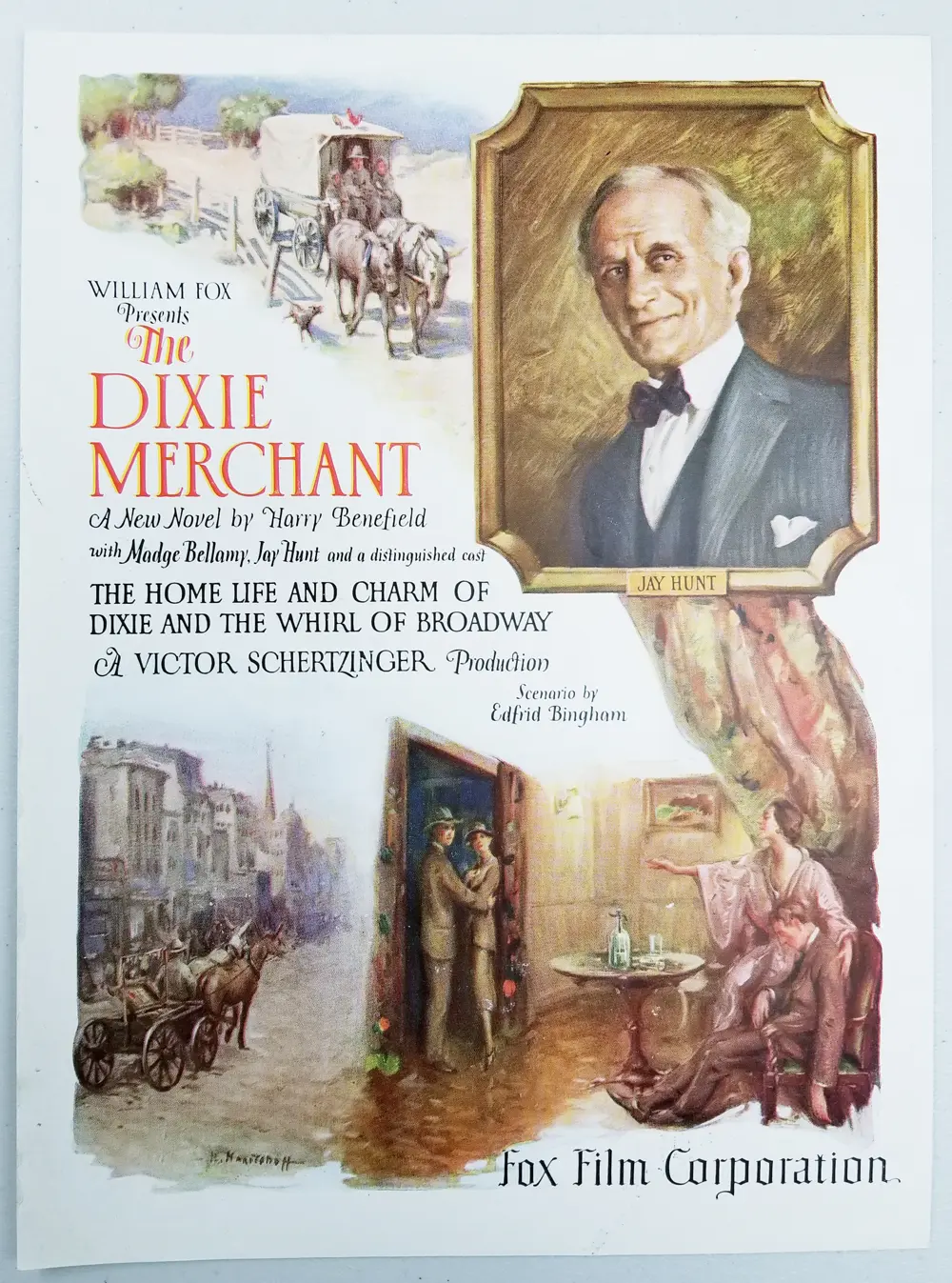
Is The Dixie Merchant a silent film worth your precious viewing time in the 21st century? Short answer: yes, but with significant caveats. This film is a fascinating historical artifact for silent cinema enthusiasts and those interested in early American melodrama, yet it will likely test the patience of casual viewers accustomed to modern narrative pacing.
For those who appreciate the unique storytelling rhythm and visual artistry of the 1920s, The Dixie Merchant offers a compelling, if somewhat predictable, narrative of resilience and familial bonds. However, if your cinematic palate demands rapid-fire dialogue, intricate plot twists, or cutting-edge special effects, this journey into the past might feel more like a historical obligation than a thrilling escape.
Let's cut directly to the chase. Evaluating a film from 1926 against today's standards is a delicate balance, but its core strengths and weaknesses are still evident.
At its heart, The Dixie Merchant is a classic rags-to-redemption narrative, albeit one deeply rooted in the specific anxieties of its era. We meet J.P. Fippany, a man whose good nature seems to be his only true asset once his home is lost. This immediate plunge into destitution sets a stark tone, forcing Fippany, his wife Josephine, and their daughter Aida onto the road in a chicken-wagon. It's a vivid image of a family literally moving from comfort to uncertainty, a visual metaphor for the economic shifts many faced.
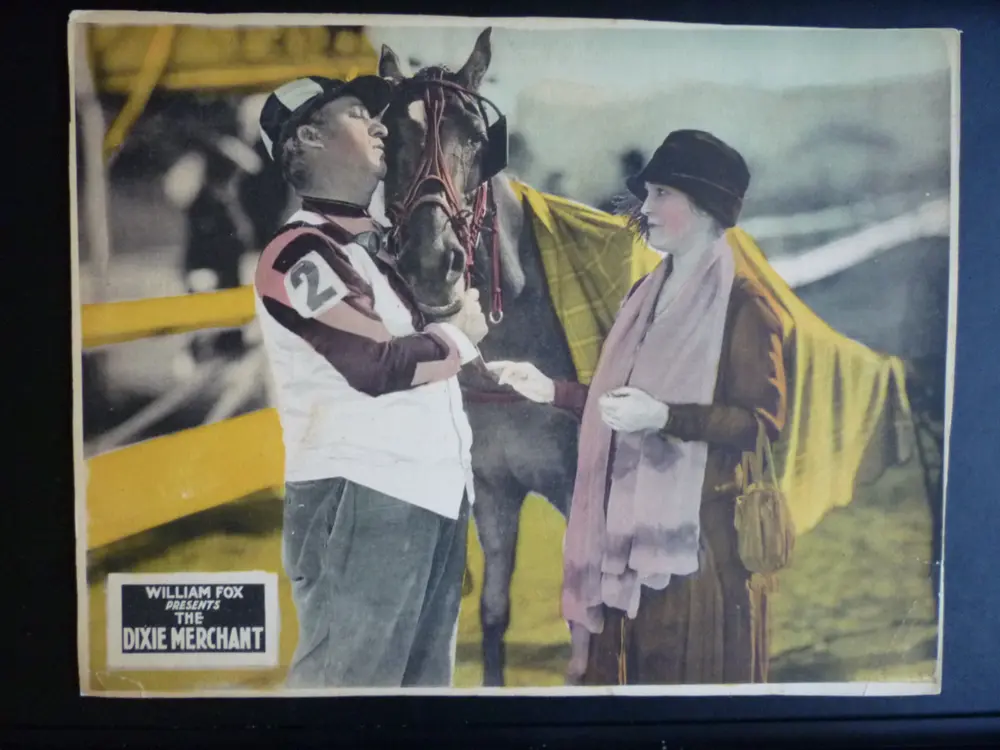
The inciting incident – a collision that wrecks their meager transport – is a masterstroke of silent film plotting. It's an accident that isn't just a setback, but a catalyst. It introduces Jimmy Pickett, the romantic lead, and irrevocably alters the family's trajectory. This moment, simple yet impactful, highlights how quickly fortunes could turn, and how chance encounters could weave new destinies.
The subsequent misunderstanding, involving Fippany's beloved racehorse, Marseillaise, feels like a familiar melodramatic device. It’s a convenient way to separate the family, particularly Josephine and Aida, who retreat to relatives. This leaves Fippany isolated, his despair palpable as he sells Marseillaise, the last vestige of his former life and a powerful symbol of hope, to Jimmy’s father. His subsequent disappearance is a bold, almost desperate act, underscoring the depth of his broken spirit.
The narrative then cleverly pivots, allowing the romance between Jimmy and Aida to blossom while setting the stage for Fippany's inevitable, and dramatically satisfying, return. Marseillaise isn't just a horse; she's the tether that binds the family, the catalyst for the romance, and ultimately, the vehicle for reconciliation. Her role in the climax elevates her beyond mere animal to a central character in the unfolding drama.
In silent cinema, the weight of emotion rests squarely on the actors' shoulders, demanding a physicality and expressiveness that transcends mere dialogue. The Dixie Merchant features a cast adept at this demanding art form.
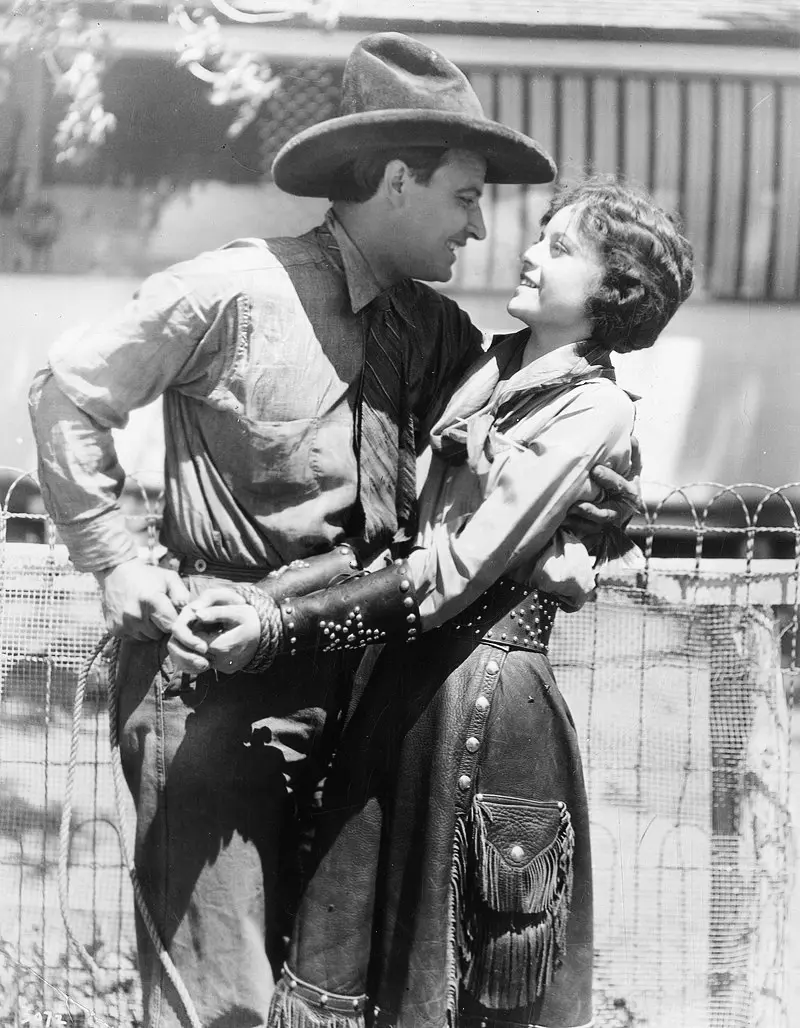
Madge Bellamy, as Aida, embodies the quintessential silent film ingenue. Her performance likely relies on wide-eyed innocence, subtle gestures, and a natural charm to convey her burgeoning feelings for Jimmy. One can imagine her conveying the initial apprehension of meeting Jimmy after the crash, gradually softening into affection through a series of knowing glances and hesitant smiles. Her ability to project vulnerability and strength without uttering a single word is crucial for the audience's investment in her romance.
J. Farrell MacDonald, playing the patriarch J.P. Fippany, delivers a performance that anchors the film’s emotional core. MacDonald, a prolific character actor of the era, would have portrayed Fippany’s good nature with a genial warmth, making his subsequent loss all the more impactful. His slump of the shoulders after losing his home, the weary resignation in his eyes as he parts with Marseillaise, and the eventual fiery determination in the race are all examples of the nuanced physical acting required. He makes Fippany’s despair feel earned, and his eventual triumph, genuinely uplifting.
Even supporting roles, like those played by Evelyn Arden and Paul Panzer, contribute to the tapestry. Arden, as Josephine, likely conveys the maternal anxiety and eventual relief through her posture and expressions, while Panzer, as Jimmy's father, might embody a more rigid authority figure whose actions inadvertently drive much of the plot's tension. The ensemble works to create a believable, if heightened, world.
The creative team behind The Dixie Merchant navigated the unique challenges of silent film direction with a clear understanding of visual narrative. Pacing, in particular, is a critical element. Unlike modern cinema, where rapid cuts and dialogue propel the story, silent films often relied on longer takes and carefully composed scenes to allow emotions to register and plot points to sink in.
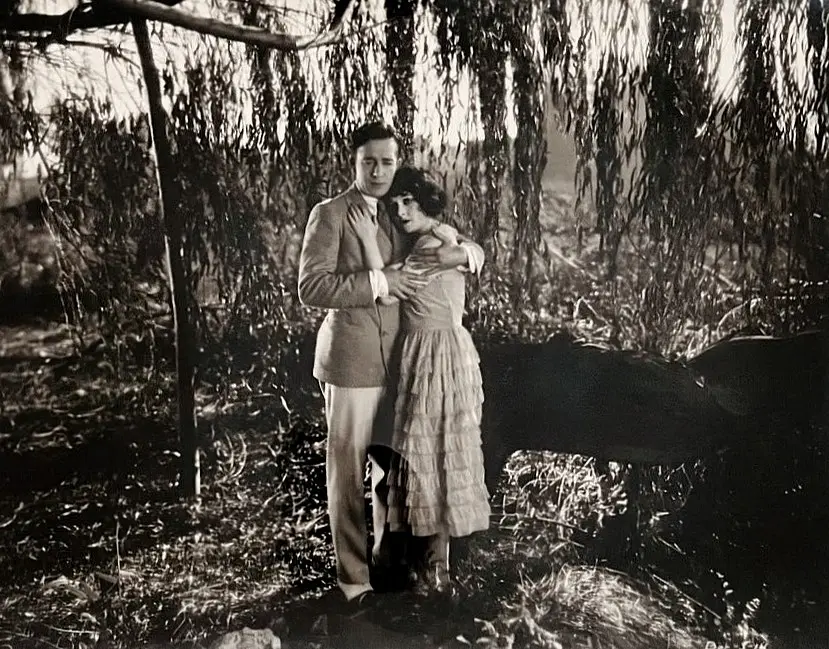
The film’s rhythm likely shifts from the contemplative slowness of Fippany’s initial despair to the heightened tension of the horse race. The sequence of the chicken-wagon wreck would have been choreographed for maximum visual impact, using quick cuts or dynamic angles to convey the sudden chaos. Conversely, scenes depicting Aida and Jimmy’s blossoming romance might employ softer lighting and more intimate close-ups, allowing the audience to read their unspoken connection.
The use of intertitles is also key. They are not merely exposition dumps but an integral part of the storytelling, often serving as dialogue, internal monologue, or descriptive narrative. A well-placed intertitle can heighten drama, provide necessary context, or inject humor. The effectiveness of the direction here lies in how seamlessly these text breaks integrate with the visual flow, guiding the audience without jarring them out of the experience. The dramatic reveal of Fippany at the racetrack, for instance, would be preceded by an intertitle setting the stage for his heroic entrance, building anticipation.
From a purely visual standpoint, The Dixie Merchant offers a window into the aesthetic sensibilities of 1920s cinema. Cinematography in this era was evolving, moving beyond static, theatrical framing towards more dynamic camera work, though still far from the fluid movements we expect today.
We can expect a reliance on clear, well-lit compositions that emphasize the actors' expressions and the film's modest but effective sets. The contrast between Fippany's initial, perhaps cozy, home and the stark, open road on his chicken-wagon journey would be visually striking. The bustling atmosphere of the racetrack, with its crowds and horses, would be captured through wider shots, aiming to convey the energy and scale of the event.
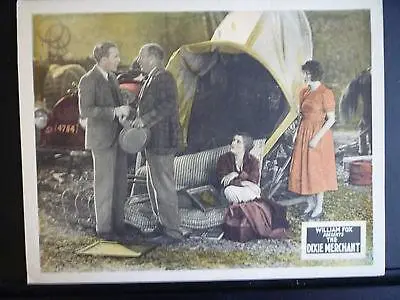
Costumes and set dressing also play a crucial, if understated, role. Fippany’s descent into poverty would be reflected in his increasingly worn attire, while Aida’s dresses might subtly change to reflect her emotional state or growing maturity. The horse, Marseillaise, itself is a visual anchor, her sleek form and powerful movement central to the film’s most exhilarating moments. The filmmakers understood the power of visual contrast: the quiet despair of a family torn apart set against the thunderous excitement of a race where all hope converges.
Beneath the surface of its melodramatic plot, The Dixie Merchant explores themes that, for better or worse, remain relevant. Family bonds are paramount, serving as the ultimate motivation for Fippany's actions and the driving force behind the film's emotional arc. The separation of the family is the central tragedy, and their eventual reconciliation, the primary triumph.
The film also touches upon themes of class mobility and the fragility of financial security. Fippany’s immediate loss of his home speaks to a real anxiety of the era, the ease with which one could fall from grace. His journey as a chicken merchant isn't just a plot device; it's a commentary on resilience in the face of economic hardship, a quiet dignity found in honest, if humble, labor.
However, one could argue that the film's reliance on a series of convenient coincidences and misunderstandings, particularly the one involving Marseillaise, undermines some of its dramatic weight. Is the resolution too simplistic? Does the horse, as a vehicle for both separation and reunion, feel a little too much like a deus ex machina, rather than an organic outgrowth of the characters' choices? This is a debatable point. While it provides a satisfying emotional punch, it might stretch credulity for modern audiences accustomed to more complex character-driven resolutions.
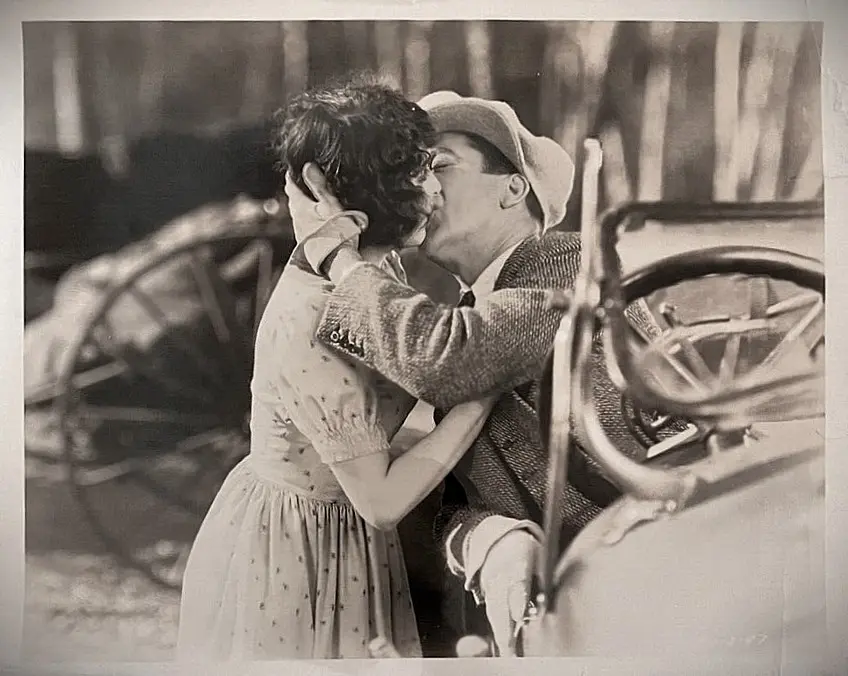
The role of fate versus free will is also subtly explored. The initial accident is pure chance, but Fippany's decision to disappear, Jimmy's pursuit of Aida, and Fippany's ultimate return to ride Marseillaise all hint at agency within a predetermined narrative. It’s a classic battle between circumstance and personal resolve.
Approaching The Dixie Merchant requires a recalibration of expectations, particularly concerning its pacing. Silent films operate on a different temporal rhythm than contemporary cinema. Scenes often unfold at a more deliberate pace, allowing for extended reaction shots and the full absorption of visual information before moving to the next beat. This can be a challenge for viewers accustomed to the rapid-fire editing and constant stimulation of modern blockbusters.
What might feel like a slow build-up to some is, for others, an opportunity to immerse oneself more deeply in the visual storytelling. The absence of spoken dialogue means that every gesture, every facial expression, and every intertitle carries immense weight. The seemingly drawn-out moments of Fippany's despair or Aida's quiet longing are not filler; they are the very fabric of the emotional narrative. It demands active viewing, a willingness to interpret and connect the visual cues.
My unconventional observation is how heavily the film leans on the symbolic power of the horse, Marseillaise, to drive not just the plot, but also the emotional journey and resolution. It's a surprising narrative choice, making an animal the linchpin of human reconciliation. While effective for its era, it highlights a certain narrative economy that might feel quaint today. The film expects the audience to invest deeply in the horse as an extension of the family's fate. This works to a degree, but it’s a gamble.
Yes, The Dixie Merchant holds significant value for specific audiences today. It is a compelling example of early American melodrama, showcasing the narrative conventions and acting styles prevalent in the mid-1920s. For film students, historians, or silent cinema aficionados, it offers rich material for study and appreciation.
It works. But it’s flawed. This film is best for those who can approach it with an understanding of its historical context, appreciating the ingenuity of storytelling without sound and the raw emotion conveyed through physical performance. It's not for those seeking fast-paced action or intricate, modern psychological drama. If you're looking for a heartwarming, albeit simple, tale of overcoming adversity, and don't mind the deliberate pace of silent film, then absolutely, give it a watch. It's a charming piece of cinematic history.
Ultimately, The Dixie Merchant is more than just a dusty relic; it's a testament to the enduring power of simple, heartfelt storytelling. While it won't redefine your understanding of cinema or offer groundbreaking innovation, it delivers exactly what it promises: a charming, if somewhat earnest, melodrama wrapped in the visual poetry of the silent era. It’s a film that asks for your patience and, in return, offers a genuine, heartwarming experience. Go in with the right mindset, and you'll find a quiet pleasure in this journey back to 1926. It’s a solid B, a film that, despite its flaws, earns its place in the archives and perhaps, on your watchlist.
IMDb —
1919
Community
Log in to comment.