DbcultAccessing Vault...
6.3/10
Senior Film Conservator
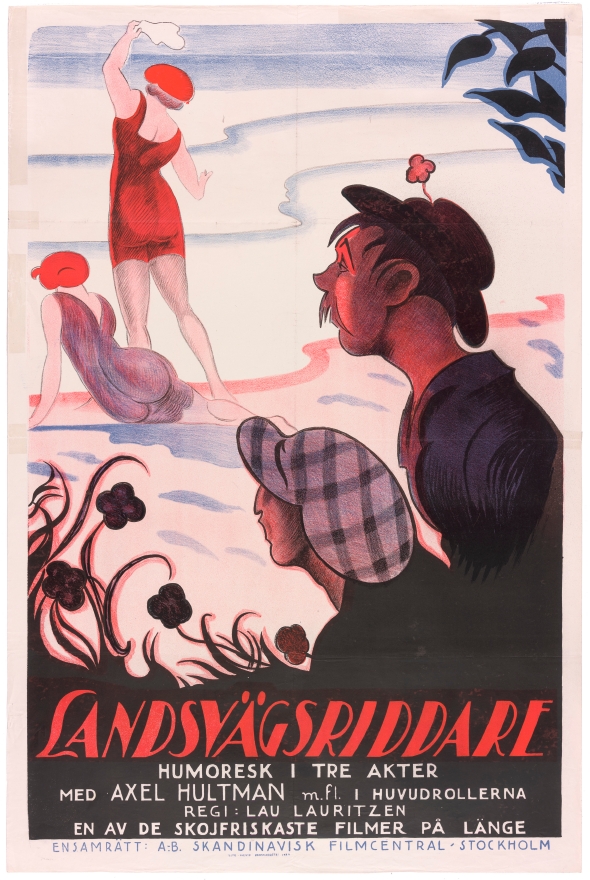
A definitive 6.3/10 rating for a film that redefined the boundaries of cult cinema. Landsvägsriddare remains a cornerstone of transgressive art.
Stepping back into the annals of cinematic history, one occasionally unearths a gem whose simple premise belies a profound understanding of human nature and comedic timing. Such is the case with Landsvägsriddare, a delightful Danish silent film that, despite its age, still possesses a vibrant charm. Released during an era of burgeoning film artistry, this particular offering from the pen of Lau Lauritzen masterfully navigates the universal themes of youthful romance, societal expectations, and the often-hilarious clash between generations. It’s a film that doesn't just entertain; it invites us to ponder the enduring nature of attraction and the lengths to which young hearts will go, even under the most vigilant of eyes.
At its core, Landsvägsriddare presents a scenario that has been the wellspring of countless narratives across centuries: the pursuit of love amidst obstacles. Here, the central figures are Inger and Else, the beautiful and vivacious daughters of Wholesaler Blomberg. These young women, portrayed with an infectious energy by Margot Linnet and Pip Overbeck respectively, are not merely passive objects of desire but active participants in the romantic dance. Their youthful exuberance is palpable, a radiant contrast to the more staid adult world around them. It's a testament to the film's characterization that even without spoken dialogue, their personalities shine through their gestures, expressions, and interactions.
Enter Billy and Willy, the two young gentlemen who have set their sights on Blomberg's daughters. While the plot doesn't delve deeply into their individual backstories, their collective presence serves as the catalyst for much of the film's comedic action. One can almost hear the jaunty, upbeat piano score accompanying their earnest, if sometimes clumsy, attempts to woo Inger and Else. The casting of Jørgen Lund and Carl Schenstrøm in these roles, alongside the formidable comedic presence of Osvald Helmuth and Harry Komdrup, suggests a deliberate choice to inject a high degree of physical comedy and expressive performance into the romantic endeavors. The film understands that the earnestness of young love, when paired with a dash of awkwardness, is inherently amusing.
The true comedic fulcrum of Landsvägsriddare, however, is not the lovers themselves, but the formidable housekeeper, tasked by Blomberg with the unenviable duty of guarding the girls' virtue. Played with magnificent sternness and an underlying, perhaps unintended, humor by Olga Svendsen, this character embodies the societal anxieties of the era regarding female propriety and the sanctity of the household. Her vigilant presence transforms mundane domestic scenes into battlegrounds of wit and subterfuge. Every creak of a floorboard, every rustle of a curtain, becomes a potential sign of romantic mischief, demanding her immediate and often exaggerated intervention.
It’s in the housekeeper's earnest, almost zealous, execution of her duties that the film finds its most consistent source of laughter. She is not a malicious figure, but rather a woman deeply committed to her charge, perhaps even a little too much so. Her efforts to thwart the burgeoning romances range from the comically inept to the surprisingly effective, creating a dynamic tension that keeps the audience invested. This character provides a fascinating counterpoint to the more dramatic portrayals of female guardians or figures of authority seen in other contemporary films. For instance, while The Winning of Sally Temple might explore the more serious societal constraints placed upon women in love, Landsvägsriddare opts for a lighter, more farcical approach to similar themes of protection and reputation.
Lau Lauritzen, a prolific Danish director and writer of the silent era, demonstrates a keen understanding of the medium's strengths in Landsvägsriddare. Silent cinema, by its very nature, demands a heightened reliance on visual storytelling, physical expression, and the judicious use of intertitles. Lauritzen excels in all these aspects. The film's pacing is brisk, propelling the narrative forward with a series of well-orchestrated comedic set pieces. The camera work, while perhaps not groundbreaking for its time, is functional and effective, always serving the story and highlighting the comedic potential of each scene.
The success of a silent comedy often hinges on the clarity of its physical gags and the expressive capabilities of its actors. Here, the ensemble cast, including veterans like Aage Bendixen and Axel Hultman alongside the younger talents, delivers performances that are both broad enough for comedic effect and nuanced enough to convey genuine emotion. The choreography of the chases, the furtive whispers, and the exasperated reactions are all meticulously crafted to elicit laughter without relying on dialogue. This visual eloquence draws a parallel with other character-driven silent comedies, perhaps even subtly contrasting with the more dramatic and visually stark narratives found in films like Der Hund von Baskerville, where the focus is on suspense rather than lighthearted antics.
Beyond its comedic value, Landsvägsriddare offers a fascinating window into Danish society of the early 20th century. The film subtly reflects the prevailing social norms, particularly concerning courtship, parental authority, and the role of domestic staff. Blomberg's concern for his daughters' virtue, while played for laughs, was a genuine societal expectation of the time. The very concept of a housekeeper being explicitly tasked with such a responsibility speaks volumes about the structure of households and the moral codes upheld. The film captures the transition between older, stricter mores and the burgeoning modern spirit of youth, where self-determination in love was beginning to gain traction.
The settings, costumes, and general aesthetic of the film also contribute to this historical immersion. One can appreciate the attention to detail in the period attire worn by Inger and Else, or the furnishings of Blomberg's home, which, while simple, are evocative of the era. These elements, combined with the narrative's focus on domestic interactions, provide a rich cultural context that enriches the viewing experience. It's a reminder that even the lightest of comedies can serve as valuable historical documents, preserving snapshots of a bygone era. Unlike the more overtly political or socially critical films such as The Kaiser's Shadow, Landsvägsriddare's social commentary is woven into the fabric of its humor, making it palatable and even charming.
The humor in Landsvägsriddare is multifaceted, drawing from various comedic traditions. There's the classic situational comedy, where characters find themselves in increasingly absurd predicaments due to their romantic pursuits or their attempts to prevent them. Slapstick, a staple of silent film, is present but never overwhelms the narrative. Instead, it's integrated seamlessly into the characters' actions, particularly the housekeeper's determined efforts and the young men's often clumsy advances. The use of chase sequences, mistaken identities, and close calls adds a layer of farcical energy that keeps the audience engaged and amused.
Furthermore, the film employs a clever use of visual irony. The stern, unyielding demeanor of the housekeeper is often undermined by the sheer innocence or unexpected success of the lovers' ploys, creating a delightful contrast. The film’s ability to generate humor from the very human desire for connection, juxtaposed with the comical lengths people go to control or attain it, is its true strength. It's a testament to the universal appeal of this kind of storytelling that a film from nearly a century ago can still elicit genuine chuckles. This contrasts sharply with the more overt, often dramatic, romantic entanglements depicted in films like Pretty Lady, where the stakes feel much higher and the humor is less central to the narrative thrust.
In an era when cinema was still finding its voice, Landsvägsriddare contributed to the rich tapestry of romantic comedies that would become a beloved genre. It demonstrates that films don't always need grand narratives or profound philosophical statements to be impactful. Sometimes, the simple joy of watching characters navigate the complexities of love and life with a light touch is enough. The film’s approach to romance is refreshingly unpretentious, focusing on the innocent thrill of courtship rather than the deeper, often more tumultuous, aspects of love explored in dramas of the period. This makes it a delightful viewing experience, free from heavy emotional burdens.
For modern audiences, watching Landsvägsriddare is not just an exercise in historical appreciation; it's an opportunity to connect with storytelling at its most fundamental. It reminds us that laughter is a universal language, and the pangs and pleasures of young love are eternal. The film’s legacy lies in its gentle humor, its memorable characters, and its ability to transport viewers to a simpler, yet equally complex, time. It stands as a testament to the craft of its creators and the timeless appeal of a well-told romantic comedy, proving that even a seemingly modest silent film can leave an indelible mark on cinematic history and the hearts of those who discover it. It is a cinematic experience that, while not as intensely dramatic as Medea di Portamedina or as epic as Il sogno di Don Chisciotte, offers its own unique form of enchantment and enduring appeal.
In conclusion, Landsvägsriddare is more than just a relic of the silent era; it's a vibrant, engaging piece of cinema that continues to resonate. Its blend of charming romance, spirited performances, and masterful comedic timing makes it a worthy watch for anyone interested in the evolution of film or simply in need of a good, old-fashioned laugh. The film serves as a beautiful reminder of the power of visual storytelling and the timeless nature of human connection, all wrapped up in a package of delightful, unpretentious fun. Its understated brilliance lies in its ability to take a simple premise and elevate it into a delightful, memorable experience that transcends its historical context, making it a true 'road knight' of cinematic comedy.
IMDb —
1918
Community
Log in to comment.