DbcultAccessing Vault...
Cult Review
Senior Film Conservator
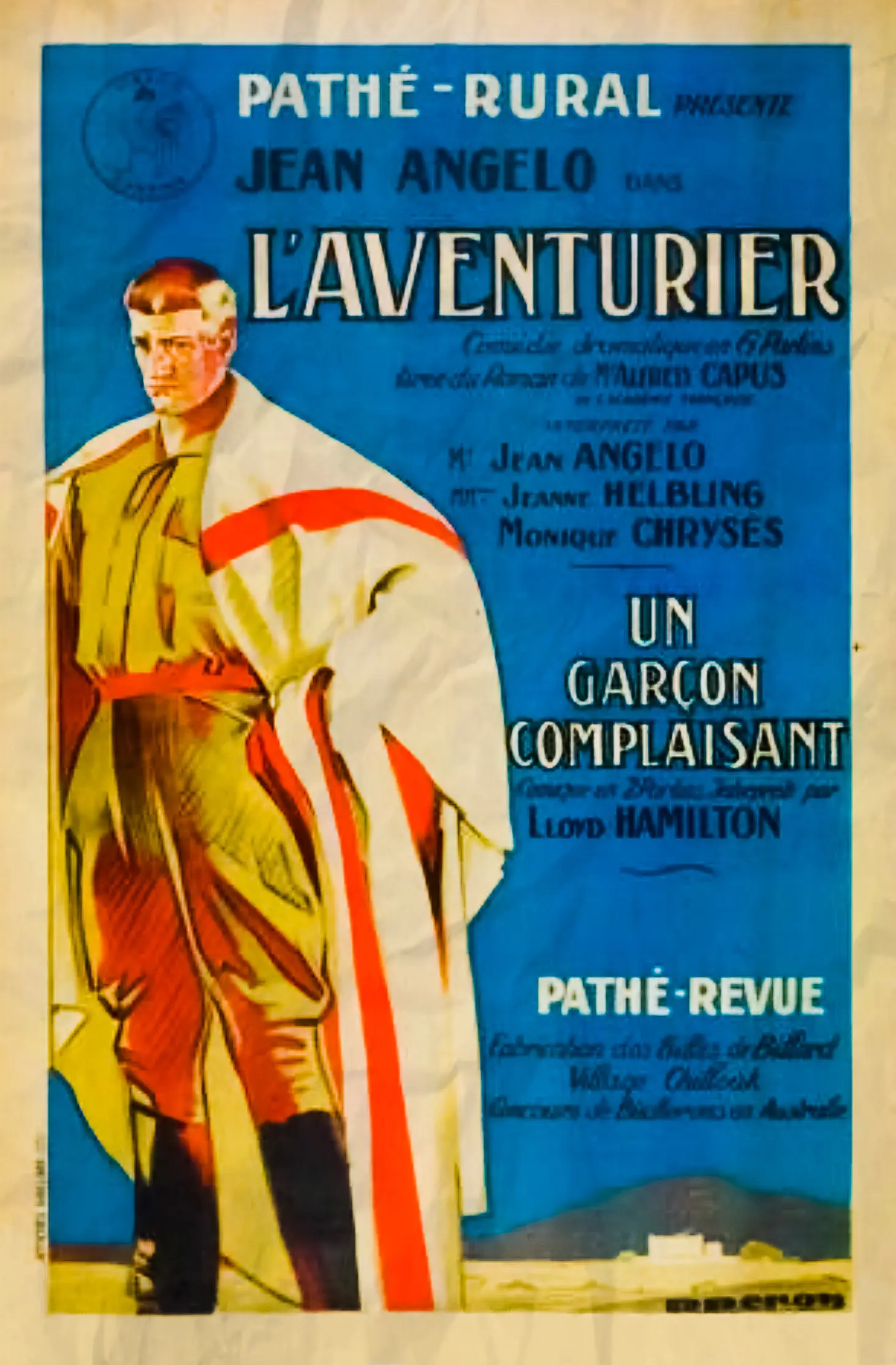
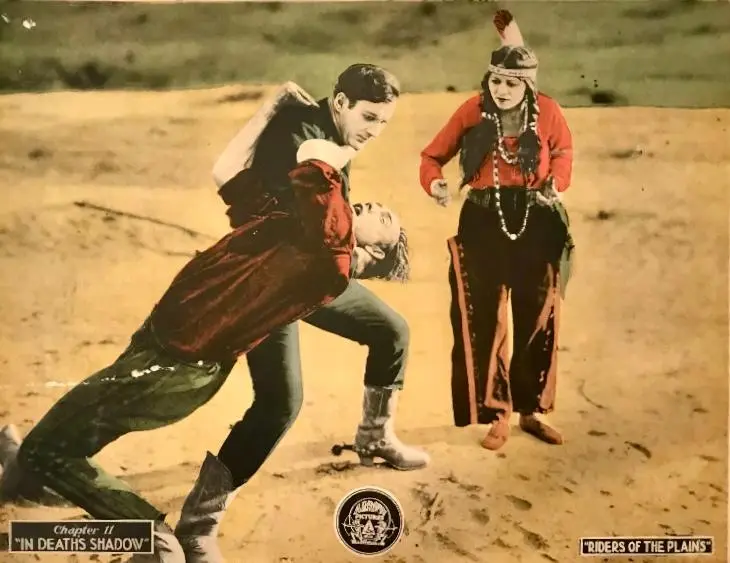
There is a specific, haunting quality to the French silent cinema of the mid-1920s that seems to capture the very essence of social stratification. L'aventurier, directed with a keen eye for the nuances of class warfare and personal redemption, stands as a testament to this era. When we witness Jean Angelo’s Étienne Ranson stepping back into the orbit of his uncle’s industrial empire in Grenoble, we aren't just watching a plot point; we are observing the collision of two disparate worlds. The grit of the traveler meets the polished, cold surfaces of the nouveau riche. Unlike the broad strokes found in something like Bull Arizona - The Legacy of the Prairie, where the conflict is often externalized through landscape, here the battleground is the drawing room and the conscience.
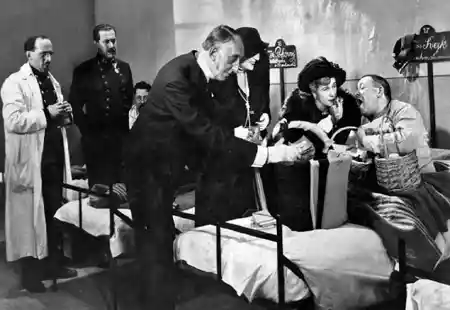
Alfred Capus, the architect of this narrative, weaves a web of resentment that feels startlingly modern. The uncle, played with a rigid, almost terrifying stoicism by Georges Deneubourg, represents the ossified structures of the old guard. He is a man who equates poverty with moral failure, a sentiment that Étienne must navigate with every step. The tension is palpable, echoing the suspenseful undercurrents found in Fantomas - On the Stroke of Nine, though the stakes here are internal and familial rather than criminal. The camera lingers on the faces of the cast, capturing the flickering shadows of doubt and the hardening of hearts in high definition—or as close as the 1924 celluloid allows.
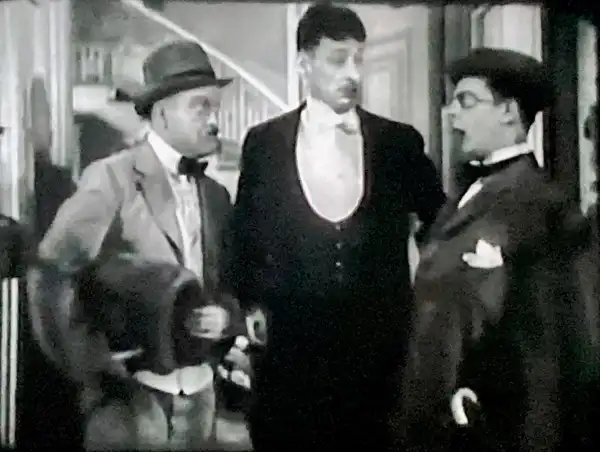
Jean Angelo delivers a performance that anchors the entire film. His physicality conveys a man who has seen the world and been broken by it, yet refuses to remain shattered. There is a weary elegance to his Étienne that contrasts sharply with the frantic energy of contemporary comedies like Call a Taxi or the manic pacing of Monty Works the Wires. Angelo, who would later achieve legendary status in Michael Strogoff, demonstrates here a more subdued, psychological depth. He isn't merely an 'aventurier' in the sense of a swashbuckler; he is an adventurer of the spirit, navigating the treacherous waters of a family that has long since written his obituary.
The supporting cast, including the luminous Clairette de Savoye and the versatile Paul Guidé, provide a rich tapestry of reactions to Étienne’s return. Each character serves as a mirror, reflecting a different facet of the protagonist's past. While some treat him with the curiosity one might afford a specimen in Armenia, the Cradle of Humanity, others view him with the outright hostility found in the most heated moments of Pure Grit. The standout, however, is the portrayal of Geneviève. Her role is the emotional fulcrum of the film. In a society that demands stoicism, her childhood tears—and her adult empathy—provide the only warmth in a narrative otherwise chilled by the Alpine air of Grenoble.
The cinematography in L'aventurier is remarkably sophisticated for its time. Use of light and shadow creates a chiaroscuro effect that highlights the moral ambiguity of the characters. When Étienne stands in the doorway of his uncle’s study, he is often bathed in a harsh, unforgiving light, while the uncle remains in the comfortable, warm glow of his ill-gotten security. This visual storytelling is far more evocative than the straightforward presentation in A Pair of Sixes. It suggests a world where one's place is determined by the shadows they cast.
Furthermore, the pacing of the film allows for moments of quiet contemplation that are often missing in the more episodic nature of serials like Beatrice Fairfax Episode 9: Outside the Law. We are given time to breathe, to feel the weight of the silence between the characters. This is a film that understands the power of a look, the significance of a gesture. When Geneviève recognizes the man behind the rags, the moment is played with a sincerity that avoids the melodrama of Her Moment or the sugary sentimentality of Don't Call Me Little Girl.
At its core, L'aventurier is a critique of the burgeoning industrialist class of the early 20th century. It asks uncomfortable questions about the cost of success and the value of a human life when stripped of its economic utility. Is Étienne a failure because he is penniless, or is his uncle the true failure for having lost his capacity for love? These themes are handled with a deftness that rivals the social commentary found in The Fortune Teller, though framed within a much more grounded, realistic setting.
The film also explores the concept of 'the adventurer' as a social pariah. In the eyes of the Grenoble elite, Étienne is a dangerous element precisely because he cannot be categorized. He has lived outside the rules, much like the characters in Le peripezie dell'emulo di Fortunello e compagni, but without the comedic safety net. His presence is a threat to the orderly, predictable world the uncle has built. This tension between the chaos of the outsider and the order of the establishment is what gives the film its enduring power.
As we look back at L'aventurier from a century's distance, its relevance hasn't faded. The struggle for identity in the face of familial expectation is a universal human experience. While films like What Love Will Do or June Madness might offer more immediate, escapist thrills, Capus’s work demands a more profound engagement. It requires us to look at the 'adventurer' not as a figure of romance, but as a man seeking the simple dignity of being seen.
The production values, the masterful acting of the French silent era, and the sharp, insightful writing converge to create a cinematic experience that is both a product of its time and timeless in its execution. To watch L'aventurier is to witness the birth of the modern psychological drama, a genre that would go on to define much of 20th-century storytelling. It is a journey through the cold streets of Grenoble and the even colder hallways of the Ranson estate, eventually leading to a place of hard-won understanding. It is, quite simply, a masterpiece of the silent screen that deserves its place among the pantheon of great French cinema.
Final Thought: If you seek a film that prioritizes character depth over spectacle, look no further. This is a story of the heart's endurance against the grinding gears of industry and apathy.
IMDb 5.8
1928
Community
Log in to comment.