DbcultAccessing Vault...
Cult Review
Senior Film Conservator
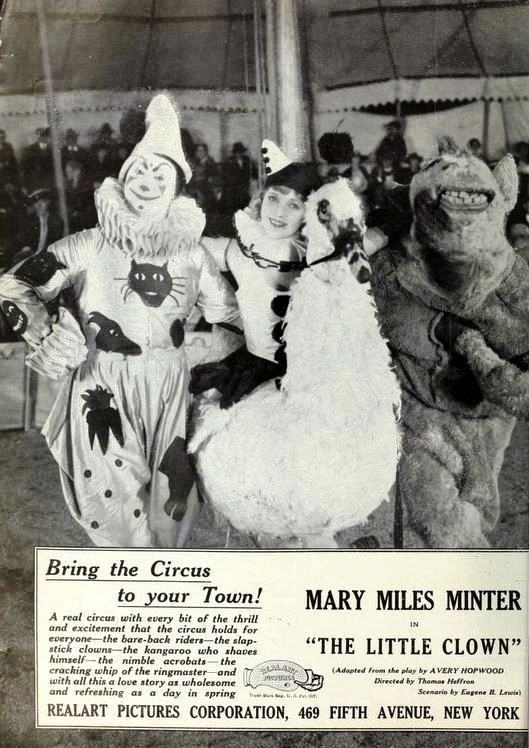
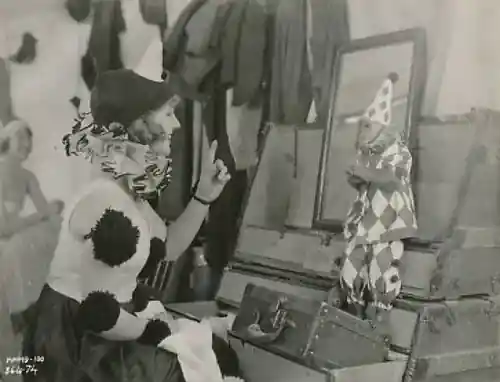
The first time we glimpse Pat—kneeling amid folding chairs while calliope steam hazes the kerosene dawn—she is painting a clown grin on her own reflection in a cracked mirror propped against a tent stake. That fractured self-portrait is the film’s Rosetta stone: childhood orphaned, identity splintered, destiny negotiable. Director Edward José and scenarists Avery Hopwood & Eugene B. Lewis refuse to romanticize the circus as mere carousel whimsy; instead they expose its calloused palms, its predatory economy of appetite and debt.
Enter Toto, essayed by Lucien Littlefield with pathos so restrained it feels like an open wound beneath flannel. His love for Pat is half-paternal, half-carnal, entirely merciless. Notice how the camera lingers on his cracked white gloves when she rehearses her trapeze twirls—those gloves twitch like a failed saint craving absolution. The film’s Southern sojourn arrives as a visual thunderclap: Spanish moss drooping like wet parchment, a courthouse square festooned with bunting the color of old blood. Dick Beverley (Jack Mulhall, all reckless chin and polo-field shoulders) crashes into the frame astride a chestnut stallion, and the edit rhythm accelerates from languid iris-in cuts to whip-pan transitions that mimic hoof-beat adrenaline.

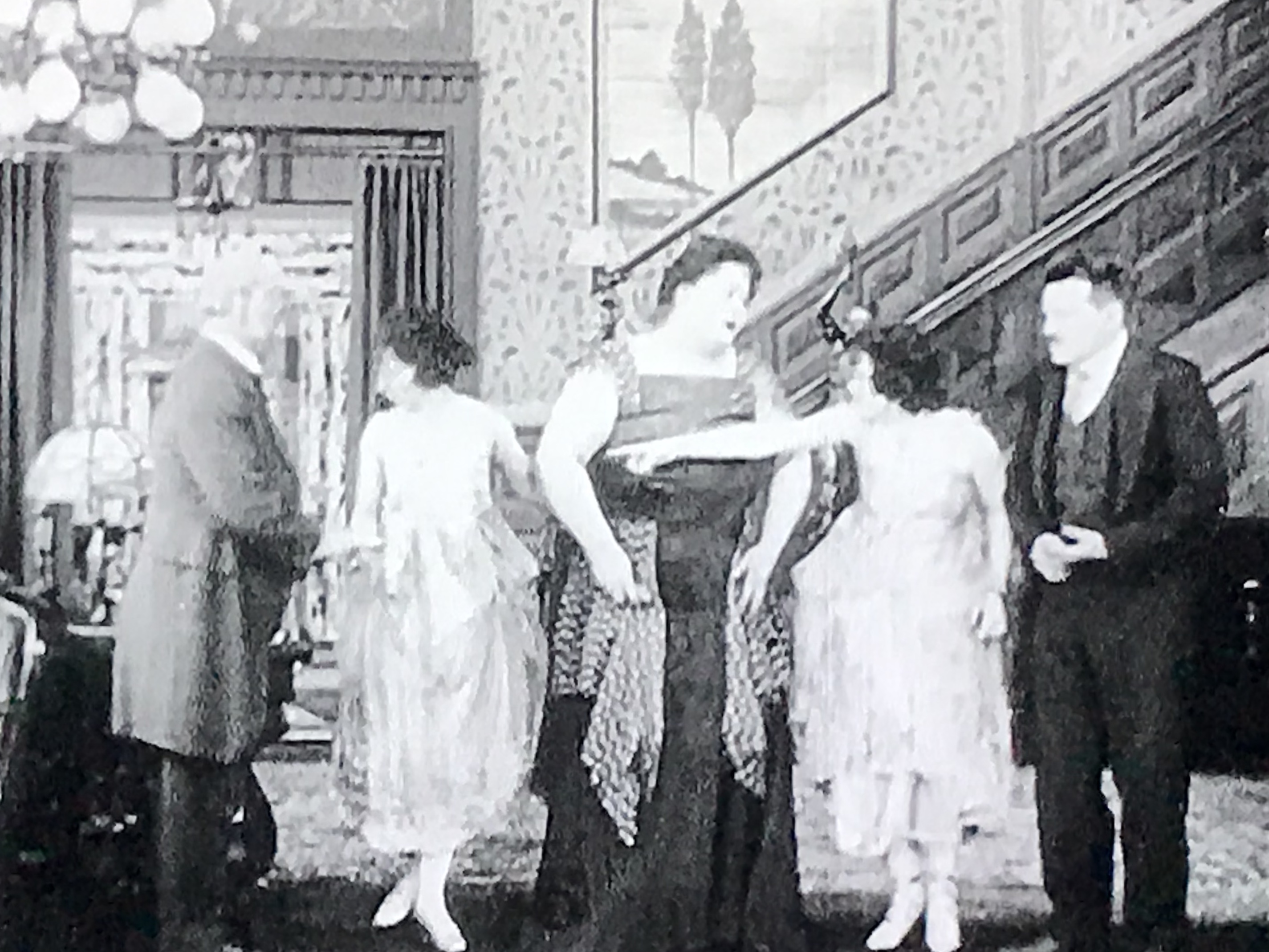
What follows is a master-class in class. The Beverley mansion—shot in opalescent day-for-night tinting—looms like a mausoleum of good taste. Pat, swaddled in borrowed organdy, negotiates a staircase wide enough to stable the elephant she once fed peanuts. The film’s visual irony peaks when her circus kinfolk—Neely Edwards as the rubber-limbed contortionist, Laura Anson as the bearded lady—invade the drawing-room, their laughter ricocheting off ancestral portraits whose eyes have been gouged by candle-smoke. The infamous punch-bowl sequence, a set-piece of drunken choreography worthy of Musical Mews, ends with ostracism so abrupt it feels like a guillotine.
Yet the screenplay withholds easy villainy. When young Master Beverley confesses to lacing the lemonade with corn liquor, forgiveness arrives not via moral epiphany but through the clan’s terror of scandal—an astute nod to the transactional charity of the genteel poor. The closing wedding, performed beneath a canopy of Chinese lanterns and circus canvas, fuses two Americas: one scented with manure and ozone, the other with lavender sachets and rusting privilege.
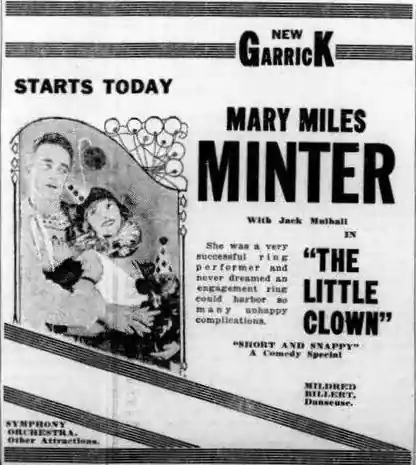
Visually, Franz Planer’s cinematography toggles between chiaroscuro interiors—where shadows pool like sump oil—and sun-scalded exteriors that bleach faces into porcelain masks. A recurring visual motif of circular forms—ring, wheel, monocle, chandelier—echoes the fatalism of repetition, the hamster-wheel of social mobility. The film’s sole surviving 35 mm print, preserved by Lois Weber’s foundation, bears water-damage blooming like purple bruises; rather than diminish, these scars augment the narrative of injury and repair.
Performances oscillate between Expressionist tableau and naturalistic flutter. Mary Miles Minter, often dismissed as a poor man’s Pickford, delivers here a study in kinetic stillness: watch her eyes when Dick first kisses her—two slate-gray mirrors registering terror, craving, and the dawning awareness that escape is just another cage. Opposite her, Mulhall exudes the heedless magnetism of someone who has never feared debt collectors. Their chemistry ignites not in clinches but in a silent exchange of props: she loans him her lucky circus ribbon; he returns it stitched inside his riding glove—a secret marriage more intimate than the public vows.
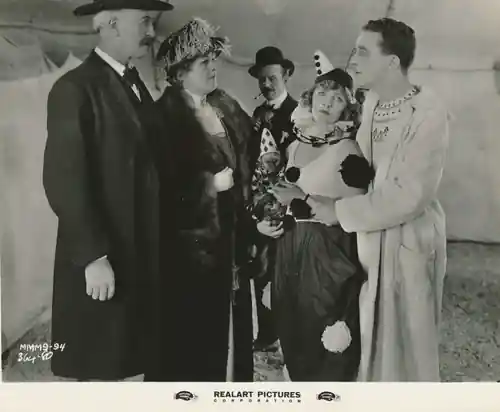
The film’s socio-political undertow rivals contemporaries like Bonds of Love or The Debt of Honor. Pat’s literacy lessons—elocution, cutlery etiquette—parody the Americanization manuals foisted on Ellis Island arrivals. When she finally masters the Beverley dinner ritual, the butler rewards her with a blink-and-miss-it nod, the sole acknowledgement that citizenship can be purchased by mimicry. Yet the film refuses triumphalism; in the penultimate scene she re-applies Toto’s white greasepaint to her own face, a ritual reclaiming of the marginalized self.
Compared to the continental cynicism of Les amours d’un escargot or the Gothic psychosis of Spellbound, The Little Clown is a folk-ballad: tender, bruised, unabashedly sentimental. Its racial politics, however, merit scrutiny. Black characters appear fleetingly—stable hands, cotton-field choruses—framed either in servitude or exotic spectacle, a reminder that even progressive silents rarely escaped the tar-brush of minstrelsy.
Musically, the original exhibition cue sheets survive, prescribing “Hearts and Flowers” for Toto’s unrequited longing and Sousa marches for the big-top mayhem. Modern screenings often commission new scores; the 2018 Pordenone premiere featured a klezmer-string hybrid that yanked the melodrama into Brechtian alienation—an experiment that polarized purists and thrilled iconoclasts.
Restoration status: 4K scans from a 1950s acetate fine-grain struck off the nitrate negative reveal previously lost interstitial cards, including a poetic title that compares Pat’s heart to “a sparrow trapped between two continents of sky.” The reel containing the drunken brawl remains truncated by fire damage; digital interpolation smears motion, but the gap serves as lacuna inviting audience imagination.
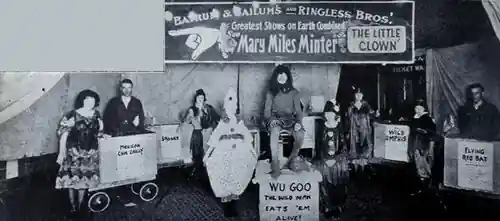
In the current cultural moment, where debates rage about meritocracy versus inherited wealth, The Little Clown feels eerily prescient. Pat’s arc foreshadows every striver who swaps dialect for opportunity, every outsider who learns that admission tickets can be revoked if you dance too wildly. Yet the film’s final grace note—her return to the ring, now as both spouse and autonomous performer—hints that identity is not binary but symphonic: we can be sawdust and silk, roustabout and aristocrat, clown and lover, all at once.
Verdict: 9/10 – a luminous curio whose seams show, but whose heart beats louder than the calliope. Stream it with a crowd; silence your phones; let the flicker remind you that every circus leaves town, yet the dust it raises lingers in the lungs of those who dared to laugh while the band played on.
IMDb 5.8
1935
Community
Log in to comment.