DbcultAccessing Vault...
Cult Review
Senior Film Conservator
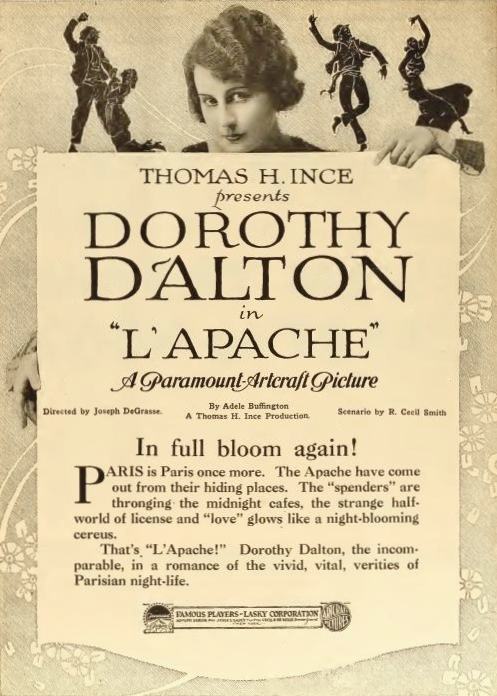
The flickering shadows of the silent era often cast the most compelling tales, and L'apache, a cinematic offering from 1919, stands as a testament to the enduring power of visual storytelling, melodrama, and the intricate dance of fate. This film, a potent concoction of crime, romance, and mistaken identity, draws viewers into a Parisian underworld both alluring and treacherous. At its heart lies a narrative propelled by the extraordinary talents of Dorothy Dalton, whose dual performance as two women bound by an eerie resemblance forms the emotional and dramatic core of this compelling picture. It’s a journey that traverses the deepest valleys of human despair and the exhilarating peaks of redemptive love, all against a backdrop of societal judgment and the ever-present threat of the criminal element.
The initial tableau introduces us to Natalie Bourget, an American adrift in a foreign city, her life shackled by an unwilling union to Jean Bourget. Jean, portrayed with a menacing intensity, is no mere spouse but the formidable chieftain of Paris's 'Apache' underworld, a shadowy realm where loyalty is bought with fear and life is cheap. Natalie's existence is one of quiet desperation, a constant negotiation with a brutal reality imposed upon her. The film masterfully establishes this oppressive atmosphere, allowing the audience to feel the suffocating weight of her circumstances without the need for spoken dialogue. Her subjugation is palpable, conveyed through subtle gestures and expressive glances, a testament to the nuanced acting capabilities of the silent film era. This initial setup is crucial, immediately establishing high stakes and garnering profound sympathy for our protagonist. It sets the stage for a narrative where agency is a luxury, and survival often means compromise.
The narrative truly ignites within the smoky confines of a Parisian cabaret, a crucible of illicit entertainment and clandestine dealings. Here, Jean, in a cruel display of his dominion, compels Natalie to perform the infamous Apache dance. This dance, a theatricalized struggle between a man and a woman, often depicting abduction and violence, serves as a powerful metaphor for Natalie's own life under Jean's thumb. It’s a moment of profound degradation, yet paradoxically, it becomes the catalyst for her eventual liberation. During this fraught performance, fate intervenes in the form of Harrison Forbes and his American paramour, Helen Armstrong. Their attention is snared by Natalie's striking resemblance to Helen, a visual parallel that will ultimately unravel and reweave the destinies of all involved. The visual impact of this scene, with its stark contrasts between the vibrant energy of the dance and Natalie's underlying despair, would have been particularly potent for audiences of the time, accustomed to extracting meaning from every gesture and expression. This dramatic coincidence of the doppelgänger is a classic cinematic trope, but L'apache wields it with particular effectiveness, transforming a simple likeness into a complex engine of plot and character development.
Helen Armstrong's predicament offers a stark counterpoint to Natalie's. While Natalie is a prisoner of circumstance, Helen is a captive of her own choices, or rather, the corrupting influence of Harrison Forbes. Her life has spiraled into dissolute indulgence, leaving her utterly ashamed and unwilling to face her grandfather, Professor Armstrong, who has journeyed from America to visit her. This shame, a potent emotional driver, forms the basis of the fateful agreement between Helen and Natalie. Natalie, seeing a desperate soul mirroring her own entrapment, agrees to step into Helen's shoes, to enact a masquerade that promises a temporary reprieve for both. The film deftly handles this exchange, highlighting the vulnerability of both women and the desperate measures they are willing to take to escape their respective prisons. It’s a poignant exploration of identity, asking whether one can truly shed their past by adopting another's persona. This intricate setup, where one woman's despair leads to another's dangerous impersonation, foreshadows the complex ethical and emotional dilemmas that will soon engulf Natalie.
The night of this fateful pact becomes a crucible of tragedy and crime. Helen, unable to bear the weight of her deception and the emptiness of her life, tragically drowns herself. Her suicide is a somber note, underscoring the destructive power of societal judgment and personal despair. Simultaneously, in a chilling parallel, Jean Bourget, the embodiment of ruthless criminality, carries out a robbery and murder against Harrison Forbes. The juxtaposition of these two events, one a private act of self-destruction, the other a public act of violence, amplifies the film's sense of cruel irony and inexorable fate. The audience is left to ponder the interconnectedness of these seemingly disparate acts, recognizing the unseen threads that bind the characters in this intricate web. This dual tragedy propels Natalie into a new, perilous existence, forcing her to not only maintain her assumed identity but also to navigate the treacherous waters of the Parisian underworld, now even more directly connected to her new, fragile life.
Under the guise of Helen, Natalie is introduced to Otis Mayne by Professor Armstrong. Otis, a character embodying integrity and genuine affection, represents a beacon of hope in Natalie's tumultuous life. Their burgeoning romance is depicted with a tender sincerity, a stark contrast to the brutality and deception that have defined Natalie’s previous existence. This developing love story is crucial, offering the audience a much-needed emotional anchor and a compelling reason to root for Natalie's ultimate triumph. The silent film medium, through close-ups and expressive body language, would have conveyed the depth of their connection, the unspoken understanding that blossoms between them. It’s a classic narrative arc: the innocent protagonist finding love amidst hardship, a trope that resonates deeply even today, much like in films such as Pesn lyubvi nedopetaya where love's power tries to overcome societal barriers. However, their nascent happiness is tragically short-lived, for the shadow of Forbes's murder looms large, threatening to engulf Natalie in its dark embrace.
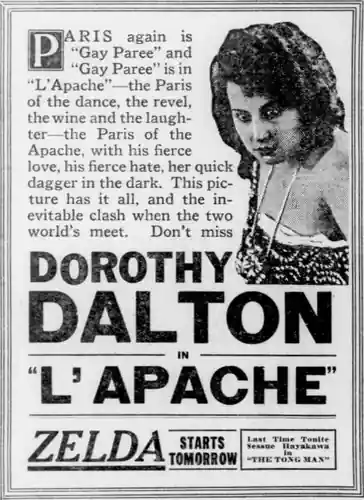
The cruel twist of destiny arrives when Natalie, still posing as Helen, is charged with Forbes's murder. This moment plunges the narrative into the thrilling depths of a courtroom drama, a staple of early cinema that allowed for intense emotional displays and heightened tension. The injustice of the accusation, coupled with Natalie’s inability to reveal her true identity without unraveling the entire intricate deception, creates an unbearable dramatic tension. The stakes are astronomically high: her freedom, her burgeoning love, and her very life hang in the balance. The film would have relied heavily on the visual spectacle of the trial, the stern faces of the judges, the impassioned arguments of the lawyers, and Natalie's own tormented expressions as she faces a charge she cannot defend against without exposing her secret. This phase of the story brilliantly explores themes of justice, identity, and the moral quandaries of deception, even when undertaken with good intentions. Her situation is reminiscent of other cinematic narratives where characters are trapped by circumstance, such as in The Pursuing Shadow or The Discard, where protagonists grapple with overwhelming odds and the specter of past actions.
The climax of L'apache is a tour de force of dramatic resolution, bringing the various threads of the narrative to a powerful, albeit violent, conclusion. Jean Bourget, ever the villain, is shot while attempting to flee the police, his criminal career meeting its inevitable, bloody end. But in his dying moments, a flicker of something akin to conscience, or perhaps just a final act of self-serving revelation, compels him to confess. With his last breath, he admits to slaying Forbes, a confession that reverberates through the courtroom, shattering the web of lies and assumptions that had ensnared Natalie. This deathbed confession, a classic melodramatic device, provides the perfect dramatic release, allowing for the swift and unequivocal exoneration of Natalie. It’s a moment of profound justice, albeit one born from the death of the very force that had dictated Natalie’s life for so long. The film expertly uses this sequence to deliver both catharsis and a satisfying sense of poetic justice, ensuring that the villain meets his deserved end and the innocent are freed.
With the truth finally unveiled, Natalie is exonerated, her name cleared, and her future, once shrouded in uncertainty and peril, now shines with the promise of happiness. Her embrace with Otis is not merely a romantic reunion but a symbolic shedding of her past burdens. It signifies the triumph of love and integrity over brutality and deception. Dorothy Dalton, in her dual role, would have delivered this final scene with a profound sense of relief and renewed hope, her expressions conveying a journey from despair to deliverance. The film concludes on a note of optimistic resolution, affirming the power of love to heal and the eventual triumph of justice, even when it arrives through the most circuitous and harrowing paths. This powerful conclusion underscores the film's enduring message: that even in the darkest corners of human experience, there is always the potential for light and redemption. It’s a testament to the storytelling prowess of the silent era, capable of crafting narratives that are both thrillingly dramatic and deeply resonant on an emotional level.
From a cinematic perspective, L'apache showcases the sophisticated narrative techniques already being honed in the early 20th century. The use of parallel editing, particularly in the scene where Helen's suicide and Forbes's murder occur simultaneously, would have been a powerful tool for building dramatic tension and highlighting thematic connections. The visual lexicon of silent film, relying on exaggerated expressions, symbolic gestures, and carefully composed frames, would have been paramount in conveying the complex emotional states of the characters. Dorothy Dalton's performance, central to the film's success, would have demanded immense versatility, distinguishing between the weary, desperate Helen and the resilient, morally conflicted Natalie. Such dual roles were a challenging but rewarding vehicle for actors of the era, allowing them to demonstrate exceptional range and command over their craft. The film's depiction of the Parisian 'Apache' underworld, while undoubtedly sensationalized for dramatic effect, taps into a real cultural phenomenon of the time, painting a vivid, if stylized, picture of urban crime and its dark allure, much like the portrayal of lawlessness in films such as Robbery Under Arms (1907), albeit in a different setting.
The screenplay by R. Cecil Smith, Adele Buffington, and John Lynch demonstrates a keen understanding of melodramatic structure, building suspense through intricate plot developments and character-driven conflicts. They weave a narrative that, despite its theatricality, maintains a compelling sense of urgency and emotional authenticity. The writers skillfully exploit the 'double' motif, transforming it from a mere plot device into a catalyst for profound character exploration and a critique of societal expectations placed upon women. Both Natalie and Helen, in their own ways, are victims of circumstances beyond their immediate control, whether it be a forced marriage or a life of moral decay. The film, therefore, transcends a simple crime story, evolving into a commentary on female agency, or the lack thereof, in a patriarchal society. The tragic fate of Helen serves as a cautionary tale, while Natalie's journey offers a glimmer of hope for redemption and self-determination.
The supporting cast, including George Furry as Otis Mayne, Robert Elliott as Harrison Forbes, and Louis Darclay as Jean Bourget, would have played crucial roles in fleshing out this vibrant, dangerous world. Furry's portrayal of Otis would have had to convey unwavering goodness and steadfast love, providing a moral compass for the audience. Elliott's Forbes, a figure of corrupting influence, would need to exude a dissipated charm. Darclay's Jean, the brutal Apache leader, is the primary antagonist, requiring a performance of unyielding menace and cold calculation. The success of the film hinges not just on Dorothy Dalton's central performance but on the collective strength of these characterizations, each contributing to the rich tapestry of Parisian life and crime depicted. The film’s power lies in its ability to immerse the viewer in this world, making them feel the stakes and empathize with the characters’ plights, even without the aid of spoken dialogue. This is the enduring magic of early cinema, its capacity to communicate complex emotions and narratives through pure visual artistry and the raw talent of its performers. Much like other silent thrillers of its era, such as On Record or The Hidden Hand, L'apache delivers a gripping experience that, even a century later, retains its narrative potency and emotional resonance.
IMDb 7.2
1936
Community
Log in to comment.