DbcultAccessing Vault...
5.8/10
Senior Film Conservator
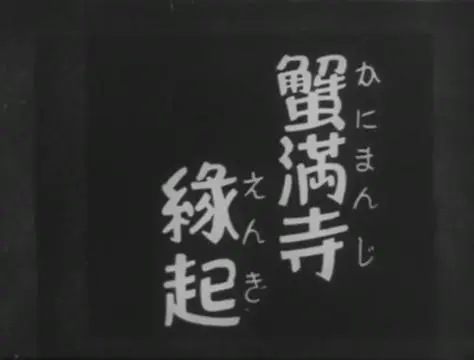
A definitive 5.8/10 rating for a film that redefined the boundaries of cult cinema. Tale of Crab Temple remains a cornerstone of transgressive art.
In the rarefied realm of cinematic artistry, 'Tale of Crab Temple' stands as a testament to the transcendent power of visual storytelling. Tomu Uchida's magnum opus is a beguiling odyssey that whisks viewers away to a quaint, seaside town, where the crab temple, an ancient and enigmatic edifice, looms large, its secrets and symbolism waiting to be unraveled.
The narrative unfolds as a labyrinthine exploration of the human condition, expertly weaving together the threads of fate, morality, and redemption. Uchida's masterful command of atmospheric tension and visual storytelling crafts a world that is at once captivating and unsettling, as the complex characters navigate the treacherous waters of their own desires.
The cast, comprising Tomu Uchida, Hakusan Kimura, and Hidehiko Okuda, delivers performances that are nothing short of breathtaking. Their portrayals are imbued with a depth and nuance that adds richness to the narrative, rendering the characters' struggles and triumphs all the more poignant. As the story hurtles towards its climax, the audience is left questioning the very fabric of reality, much like the protagonist in West Meets East, where cultural clashes and identity crises come to the fore.
One of the most striking aspects of 'Tale of Crab Temple' is its use of symbolism. The crab temple, with its intricate carvings and mysterious aura, serves as a potent metaphor for the fragility of human existence. Uchida's use of visual motifs and imagery adds layers of depth to the narrative, inviting viewers to interpret and reflect on the themes and symbolism. This attention to detail is reminiscent of Fantomas: The Mysterious Finger Print, where the clever use of mise-en-scène and cinematography crafts a world of mystery and intrigue.
The film's exploration of morality and redemption is equally compelling, as the characters grapple with the consequences of their actions. This existential crisis is a hallmark of Uchida's oeuvre, also evident in Young Ideas, where the struggle for identity and purpose is a recurring theme. In 'Tale of Crab Temple', the characters' journeys are marked by a sense of urgency and desperation, underscoring the human condition's inherent complexity.
The cinematography in 'Tale of Crab Temple' is a character in its own right, with each frame meticulously crafted to evoke a sense of wonder and unease. The use of lighting, composition, and camera movement creates a dreamlike atmosphere, drawing viewers into the world of the film. This attention to visual detail is a hallmark of Uchida's style, also evident in Strike, where the stark contrast between light and dark underscores the narrative's themes of social commentary.
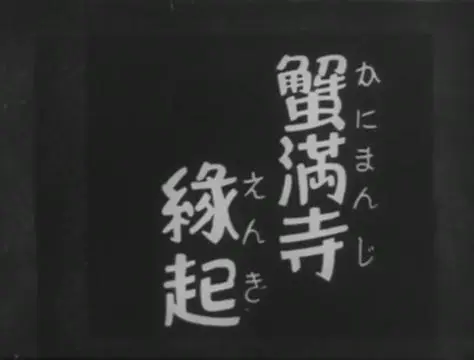
The score, while not explicitly mentioned, is equally effective in enhancing the film's emotional impact. The judicious use of music and sound effects creates a sonic landscape that complements the on-screen action, much like in The Duck Hunter, where the sounds of nature and human activity blend seamlessly to create an immersive experience.
As the narrative reaches its crescendo, the audience is left pondering the very essence of existence. Uchida's film is a thought-provoking odyssey that defies facile categorization, instead occupying a rarefied realm of cinematic artistry. The film's themes of morality, redemption, and the human condition are timeless and universal, echoing the concerns of Snooky's Twin Troubles, where the struggle for identity and connection is a recurring motif.
In conclusion, 'Tale of Crab Temple' is a masterpiece of cinematic storytelling, a film that will leave viewers spellbound and contemplative. Uchida's magnum opus is a testament to the power of cinema to transport, transform, and transcend, offering a glimpse into a world that is both familiar and unknown. As a work of art, it stands alongside other cinematic touchstones, such as Hoodoo Ann, Jamestown, and Os Lobos, in its ability to evoke a sense of wonder and awe.
The film's influence can also be seen in its use of atmospheric tension, reminiscent of Suzanne, professeur de flirt, where the subtle use of music and cinematography crafts a world of seduction and intrigue. Similarly, the themes of morality and redemption are echoed in Cleaning Up!!?, where the struggle for identity and purpose is a recurring motif.
Ultimately, 'Tale of Crab Temple' is a film that will reward multiple viewings and reflection. Its complexity and nuance make it a work that will continue to inspire and intrigue audiences, much like Deck Sports in the Celebes Sea, where the use of visual motifs and symbolism adds layers of depth to the narrative. As a cinematic experience, it is nothing short of breathtaking, a true masterpiece that will leave viewers eagerly anticipating their next encounter with Uchida's oeuvre.
The film's exploration of the human condition is a hallmark of Uchida's style, also evident in The Devil's Riddle, where the struggle for identity and purpose is a recurring theme. In 'Tale of Crab Temple', the characters' journeys are marked by a sense of urgency and desperation, underscoring the human condition's inherent complexity.
In the end, 'Tale of Crab Temple' is a film that will leave viewers pondering the very essence of existence. Uchida's magnum opus is a thought-provoking odyssey that defies facile categorization, instead occupying a rarefied realm of cinematic artistry. The film's themes of morality, redemption, and the human condition are timeless and universal, echoing the concerns of The Gift Supreme and The Two Edged Sword, where the struggle for identity and purpose is a recurring motif.

IMDb —
1918
Community
Log in to comment.