DbcultAccessing Vault...
Cult Review
Senior Film Conservator
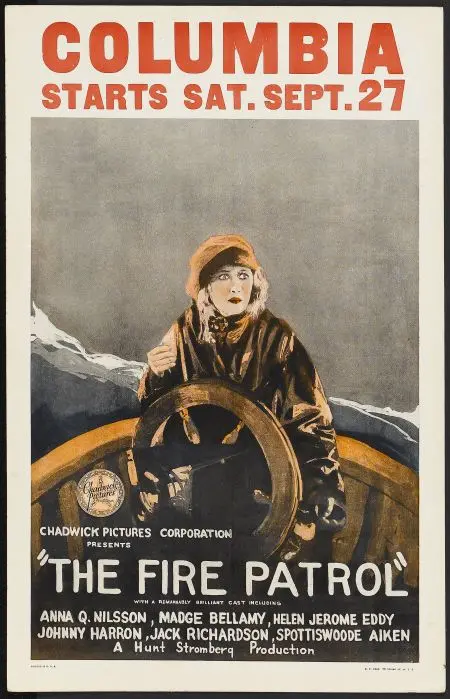
The cinematic landscape of the early 20th century was replete with films that navigated the complexities of human emotion, often juxtaposing themes of love and conflict. Among these, The Fire Patrol stands out as a particularly intriguing example, weaving a narrative that is as much about the pursuit of vengeance as it is about the entwinements of the heart.
At its core, The Fire Patrol tells the story of Captain John Ferguson, a man whose life was irrevocably altered eighteen years prior by the actions of the nefarious sea pirate, 'Butch' Anderson. Blinded and abandoned by his wife, Ferguson's existence takes a dramatic turn when he is rescued from a shipwreck by the fire patrol. This chance encounter sets him on a collision course with his past, leading to a confrontation with the man who has haunted his thoughts for nearly two decades.
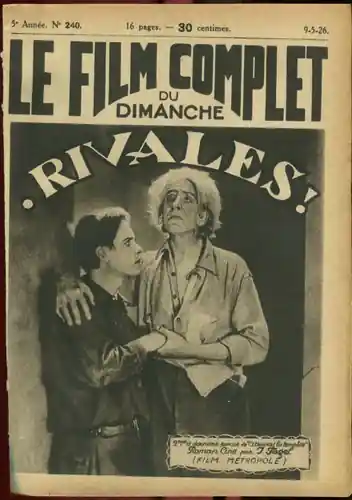
In a masterful display of narrative complexity, the film intertwines Ferguson's quest for revenge with a romantic subplot featuring Colin and Molly Thatcher. Theirs is a tale of love fraught with challenges, echoing the broader themes of the film: the unyielding pursuit of justice, the redemptive power of love, and the often-turbulent sea of human emotions.
The cast of The Fire Patrol brings depth and nuance to the film's intricate narrative. Spottiswoode Aitken, Helen Jerome Eddy, and John Harron deliver performances that breathe life into the characters, imbuing them with a sense of realism that grounds the film's more dramatic elements. The inclusion of actors such as Bull Montana and Chester Conklin adds to the film's texture, providing a rich tapestry of characters that drive the plot forward.
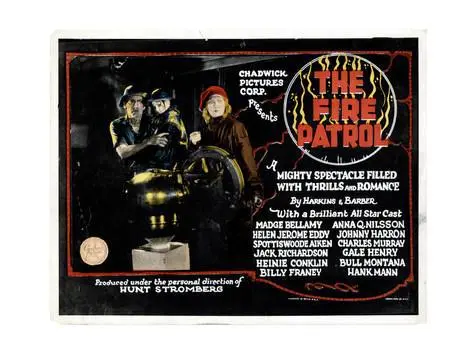
From a technical standpoint, The Fire Patrol exhibits a level of craftsmanship that was characteristic of its era. The direction, coupled with the screenplay by Edwin Barbour, Garrett Fort, and James W. Harkins Jr., demonstrates a keen understanding of storytelling principles. The film's use of maritime settings not only serves as a backdrop for the action but also symbolizes the vast, unpredictable nature of life itself.
Comparing The Fire Patrol to other films of its time, such as Why Cooks Go Cuckoo and Shift the Gear, Freck, one notices a shared thematic concern with the complexities of human relationships and the pursuit of one's goals, despite the obstacles that may arise. However, The Fire Patrol distinguishes itself through its unique blend of action, drama, and romance, making it a compelling watch for audiences interested in early 20th-century cinema.
Ultimately, The Fire Patrol leaves viewers with a lasting impression of the human condition, marked by its exploration of love, loss, and the unyielding quest for justice. The film's ability to balance these themes, set against the dramatic backdrop of the sea, speaks to the skill of its creators and the enduring appeal of its narrative.
In conclusion, for those interested in the nuances of early cinema, or simply looking for a film that masterfully combines elements of drama and action, The Fire Patrol is a must-watch. Its intricate plot, coupled with strong performances from its cast, makes for a viewing experience that is as engaging as it is thought-provoking.
Exploring further into the film's context, it's interesting to note the work of other filmmakers who have approached similar themes. For instance, Camera Obscura and Tao offer unique perspectives on human emotion and conflict, each through their own distinct lens.
The art of filmmaking is a continuous journey of exploration and expression, with each film offering a window into the human experience. The Fire Patrol, with its gripping narrative and memorable characters, is a testament to this enduring art form.
IMDb —
1916
Community
Log in to comment.