DbcultAccessing Vault...
5.4/10
Senior Film Conservator
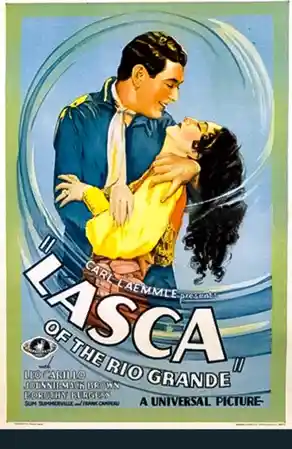
A definitive 5.4/10 rating for a film that redefined the boundaries of cult cinema. Lasca of the Rio Grande remains a cornerstone of transgressive art.
If you like movies where people look like they actually need a bath, you should probably watch this. It is a 1931 Western, so the sound is a bit crunchy and everyone talks like they are trying to be heard from across a busy street.
It’s a good pick for anyone who likes 'pre-code' movies where the women actually have some teeth. If you want a polished, modern action flick, you will absolutely hate this dusty relic.
The whole thing is based on an old poem. I didn't know that until I saw the credits, but it explains why the dialogue feels so heavy and dramatic, like everyone is reciting lines in a school play they didn't rehearse for.
Johnny Mack Brown plays Miles Benton, the Ranger. He has this very clean, very square jaw that makes him look like a hero even when he’s just standing there doing nothing. Which he does a lot.
But the movie belongs to Dorothy Burgess as Lasca. She is a 'dance hall girl,' which in 1931 was code for something else, I think.
She is intense. Like, her eyes are always wide open and she moves her hands constantly. It’s a bit much, but it’s better than being bored.
There is this one scene in the saloon where she’s dancing and the lighting is actually kind of cool. It’s all shadows and smoke, and you can almost smell the cheap whiskey through the screen.
Then she stabs a guy. It happens so fast I had to rewind it a little bit just to see what the heck happened.
She kills this guy Santa Fe because he’s being a creep. It felt justified to me, but the law doesn't care about that in the 1800s, apparently.
So Miles has to arrest her. This is where the movie gets that 'torn between love and duty' vibe that every Western seems to have. It reminds me of the pacing in West of Broadway, but maybe a bit more desperate.
Leo Carrillo plays Jose, who is supposed to be the bad guy or the rival. He has this accent that feels... well, it’s a 1931 version of a Mexican accent. It’s very thick and he says 'caballero' about fifty times.
He wears this hat that is way too big for his head. I couldn't stop looking at the hat whenever he was talking.
The movie drags a bit in the middle when they are just riding horses through the brush. There is a lot of brush in this movie.
Then Slim Summerville shows up for 'comedy.' He’s doing this nervous, bumbling routine that totally kills the mood. One minute Lasca is crying about her life, and the next, this guy is falling over his own feet. It doesn't work.
It’s not as balanced as something like Bad Sister, which at least knew what kind of movie it wanted to be.
But then! The stampede happens. 🐮
I don't know how they filmed it without killing all the actors. There are hundreds of cattle just charging through a storm, and the dust is everywhere.
Miles and Lasca get trapped in a ditch while the cows run over them. It’s actually pretty terrifying. You can see the fear on their faces, and I don't think it was all acting.
The sound of the hooves is this low, rumbling thud that makes your speakers rattle. It’s the best part of the whole film.
The ending is... weirdly dark? I won't spoil it, but it’s not the happy ending I expected from a movie this old. It stays true to the poem, I guess, which is pretty bleak.
The way Miles looks at her at the very end is genuinely sad. Johnny Mack Brown actually shows some real emotion there, instead of just looking like a statue.
It’s a short movie, only about an hour. Which is good because it doesn't have enough story for two hours.
If you’re looking for a deep masterpiece, keep looking. But if you want to see a 1930s actress go absolutely wild before the cattle trample everything, give it a look.
It feels a bit more alive than Set Free, mostly because of the noise. I like the noise.
It’s a messy, loud, dusty little film. I kinda liked it.
IMDb 6.5
1935
Community
Log in to comment.