DbcultAccessing Vault...
5.1/10
Senior Film Conservator
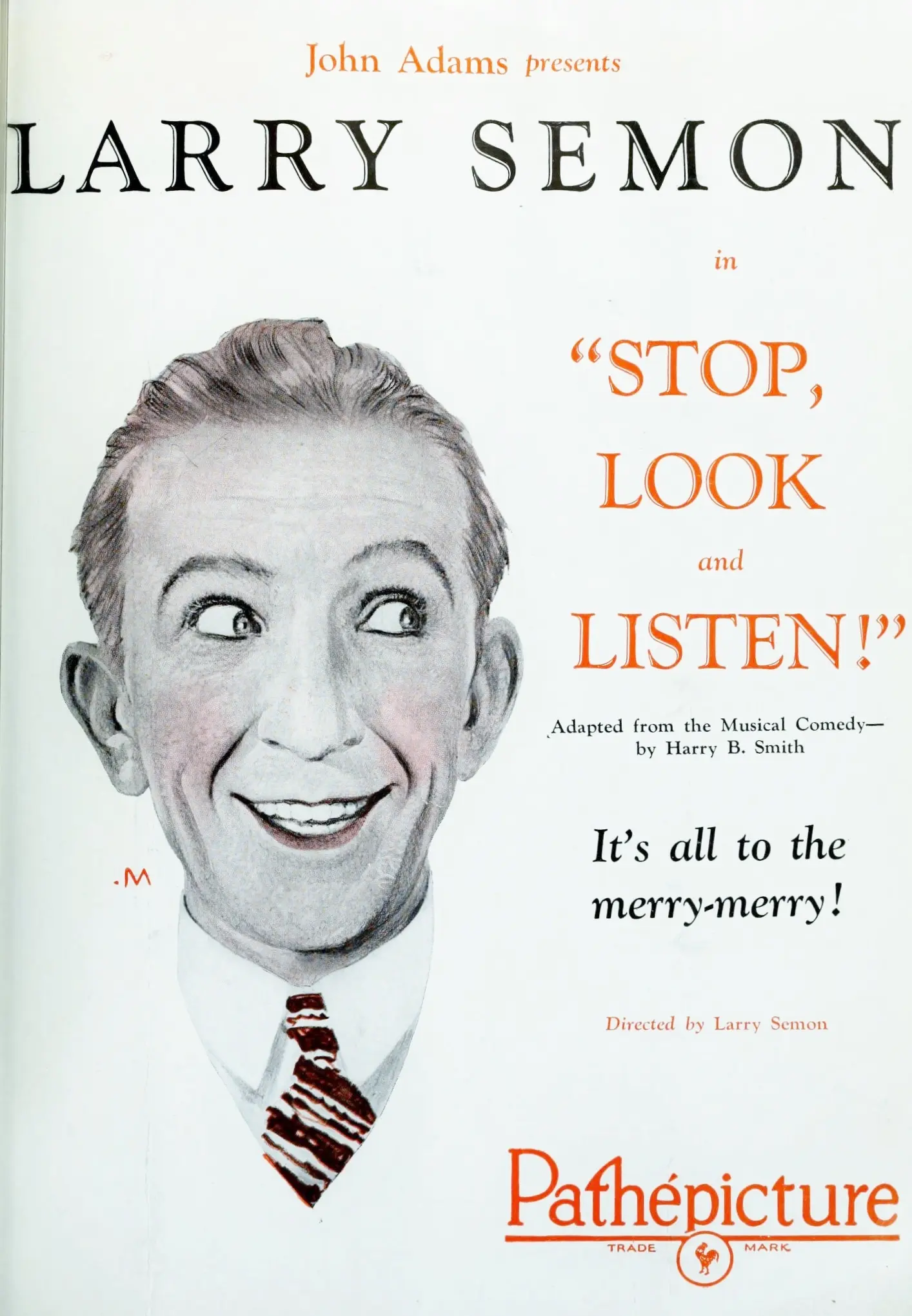
A definitive 5.1/10 rating for a film that redefined the boundaries of cult cinema. Stop, Look and Listen remains a cornerstone of transgressive art.
Should you invest your time in a viewing of Stop, Look and Listen (1926) today? Short answer: yes, but only if you have a high tolerance for the specific, manic brand of destruction that Larry Semon specialized in. This isn't the poetic slapstick of Keaton or the sentimental grace of Chaplin; it is a machine-gun blast of physical gags that refuses to let the audience breathe. It is for the cinema historian who wants to see the bridge between vaudeville and the big-budget stunts of the late silent era, but it is certainly not for those who require a coherent, emotionally grounded narrative.
This film works because it leverages the sheer scale of its set pieces to create a sense of genuine danger that few modern comedies can replicate. This film fails because Larry Semon’s central character, Luther Meek, lacks the internal life necessary to make his ultimate triumph feel like anything more than a series of lucky accidents. You should watch it if you want to see a young Oliver Hardy providing a masterclass in the 'slow burn' while everything around him literally falls apart.
Larry Semon was a man who never met a budget he couldn't blow on a single explosion. In Stop, Look and Listen, we see the culmination of his 'more is more' philosophy. Unlike his work in Stick Around or the equally frantic All Abroad, this film attempts to marry a theatrical melodrama with the broad, white-faced clowning that made Semon a star. The result is a jarring but fascinating experience. The theatrical troupe isn't just a plot device; it’s a meta-commentary on the art of performance itself, contrasting the 'fake' drama of the stage with the 'real' chaos of Luther’s life.
The pacing is relentless. From the moment the troupe arrives, the film enters a state of perpetual motion. One specific scene involving a collapsing stage floor highlights Semon’s obsession with mechanical gags. It’s not enough for a character to trip; the entire world must disintegrate around them. This is where Semon differs from contemporaries seen in Rupert of Hee Haw. Semon doesn't want your sympathy; he wants your astonishment at how much lumber and plaster he can destroy in sixty seconds.
While Semon is the star, the real reason to revisit this film in the 21st century is Oliver Hardy. Playing a supporting role, Hardy provides the gravitational pull that keeps the movie from drifting into total abstraction. You can see the beginnings of his legendary persona here—the exasperated look at the camera, the delicate adjustment of the tie amidst a riot. In the bank robbery sequence, Hardy’s timing is impeccable. While the rest of the cast is flailing, Hardy moves with a deliberate, rhythmic grace that makes the surrounding madness even funnier.
Compare his performance here to his roles in films like Tol'able Romeo. In Stop, Look and Listen, he is the perfect foil to Semon’s hyperactive Luther Meek. There is a specific moment where Hardy’s character realizes the bank robbery is going south, and his subtle facial shift from confidence to existential dread is worth the price of admission alone. It works. But it’s flawed. The film often forgets it has a world-class comedian in Hardy and pushes him to the background to make room for another explosion.
If you are looking for a definitive answer on whether to watch Stop, Look and Listen, consider your appetite for vintage destruction. This film is a loud, visual assault that captures the transition of silent comedy into its most expensive and experimental phase. It is worth watching for the bank heist finale, which features stunts that would make a modern insurance adjuster faint. However, if you prefer the subtle character work found in M'Liss or the dramatic weight of Sealed Lips, you might find Semon’s antics grating after the first twenty minutes.
The technical execution of this film is surprisingly sophisticated. The use of deep focus during the bank sequence allows the audience to see the theatrical troupe’s manager plotting in the background while Luther obliviously causes havoc in the foreground. This visual storytelling is much more advanced than what we see in The Upheaval. The camera isn't just a witness; it’s a participant in the gag. The lighting, particularly in the night scenes near the stranded train, creates a noir-ish atmosphere that contrasts sharply with the bright, flat lighting of the comedic sequences.
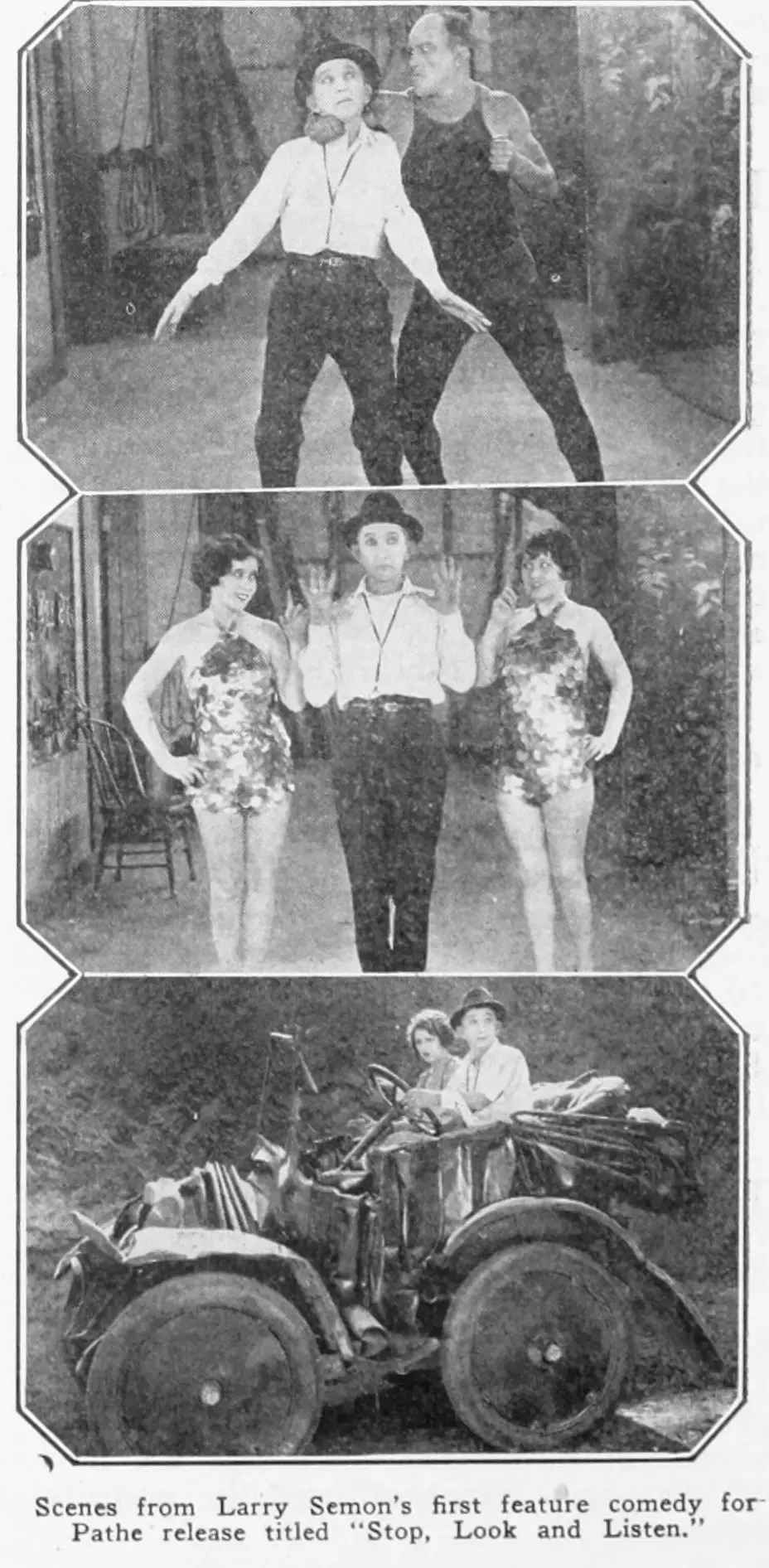
The stunt work is the film’s true soul. There is a sequence involving a runaway vehicle that feels genuinely dangerous. You can see the actors' real-time reactions to the near-misses. It’s a level of physical commitment that has largely vanished from modern cinema, replaced by CGI and safety harnesses. In 1926, if Larry Semon wanted a building to fall on him, he made sure a building actually fell. This visceral reality gives the film a weight that its thin plot doesn't quite deserve.
Pros:
The film features some of the most ambitious stunt work of the mid-20s. The presence of Oliver Hardy adds a layer of professional comedic timing that elevates the material. The integration of the theatrical troupe adds a colorful, eccentric vibe to the standard small-town setting. It’s a fascinating look at the work of Irving Berlin and Harry B. Smith in a medium they didn't usually inhabit.
Cons:
The plot is essentially a clothesline for gags. Larry Semon’s performance can be repetitive, often relying on the same wide-eyed expression of shock. The pacing is so fast that some of the better jokes don't have time to land before the next stunt begins. It lacks the heart found in contemporary works like Drusilla with a Million.
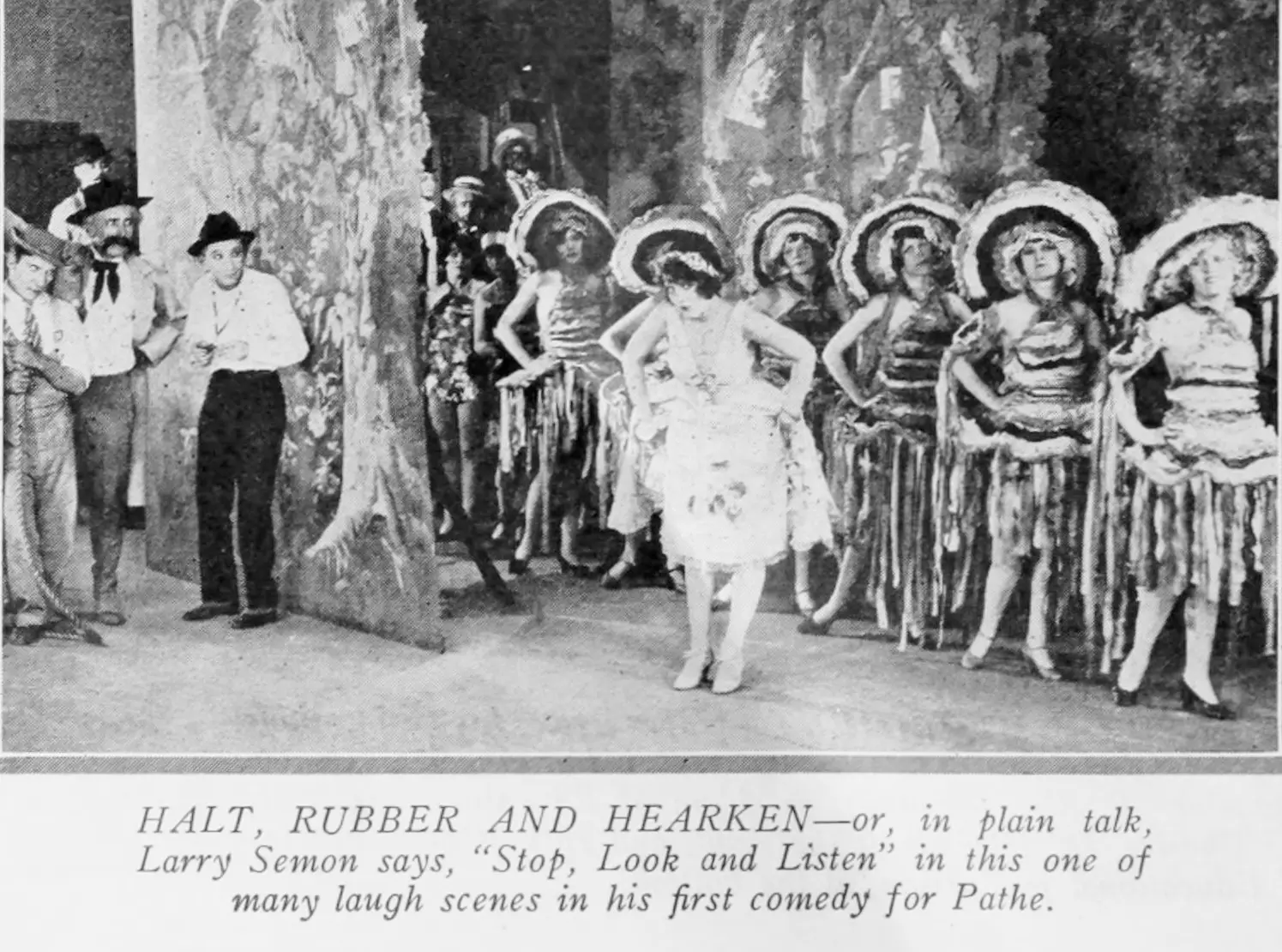
One of the most bizarre aspects of Stop, Look and Listen is the writing credit. Having Irving Berlin, the master of the American songbook, involved in a silent slapstick comedy about a bank-robbing theatrical troupe is like hiring a poet laureate to write a demolition derby script. While you can't 'hear' Berlin's contribution, you can feel a sense of rhythmic structure in the way the scenes are built. There is a musicality to the chaos. The way the troupe’s movements are choreographed feels like a silent musical, a precursor to the 'integrated' comedies that would follow in the sound era.
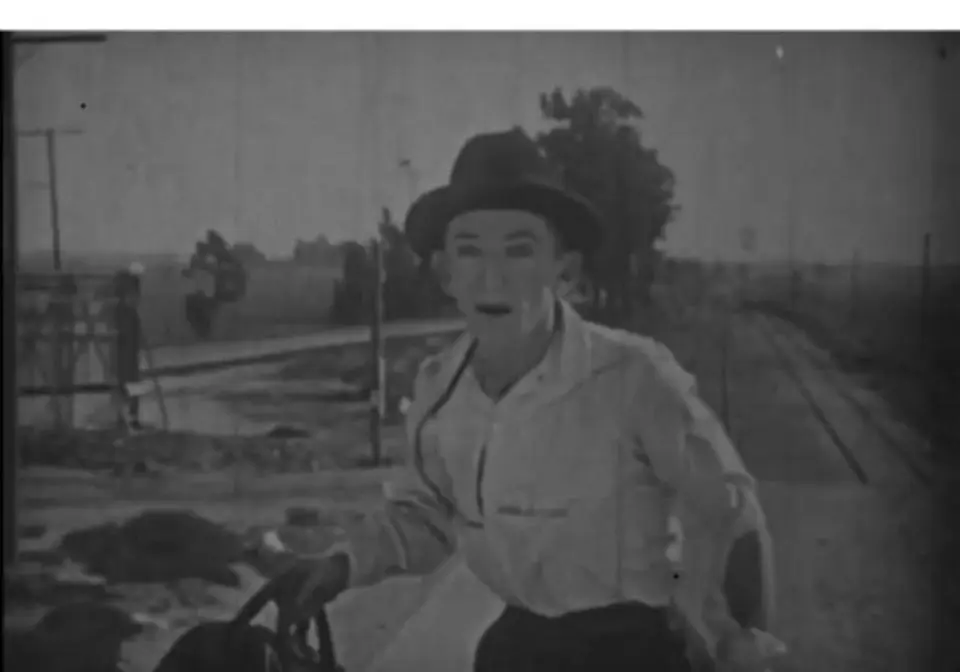
This elevates the film above standard fare like The Buyer from Cactus City. There is a sense of professional showmanship here that is often missing from low-budget silents. The 'theatrical' nature of the plot allows for a variety of costumes and personas that keep the visual palette fresh, even when the narrative stalls. It’s a strange hybrid of Broadway sensibility and Hollywood destruction.
Stop, Look and Listen is a loud, messy, and occasionally brilliant artifact of a bygone era. It represents the ego of Larry Semon at its peak—a man who wanted to be everything to everyone and ended up creating a film that is as exhausting as it is entertaining. While it lacks the timelessness of a Keaton masterpiece, it offers a raw, unfiltered look at the sheer energy of 1920s cinema. It’s a film that demands you pay attention, not because its plot is complex, but because if you blink, you might miss a car flying through a barn or Oliver Hardy’s perfect reaction to a world gone mad. It isn't perfect. It isn't deep. But it is undeniably alive.
"A frantic, high-decibel silent experience that proves Larry Semon was the Michael Bay of the 1920s—obsessed with the spectacle of destruction at the expense of his own characters."
IMDb —
1932
Community
Log in to comment.