DbcultAccessing Vault...
Cult Review
Senior Film Conservator
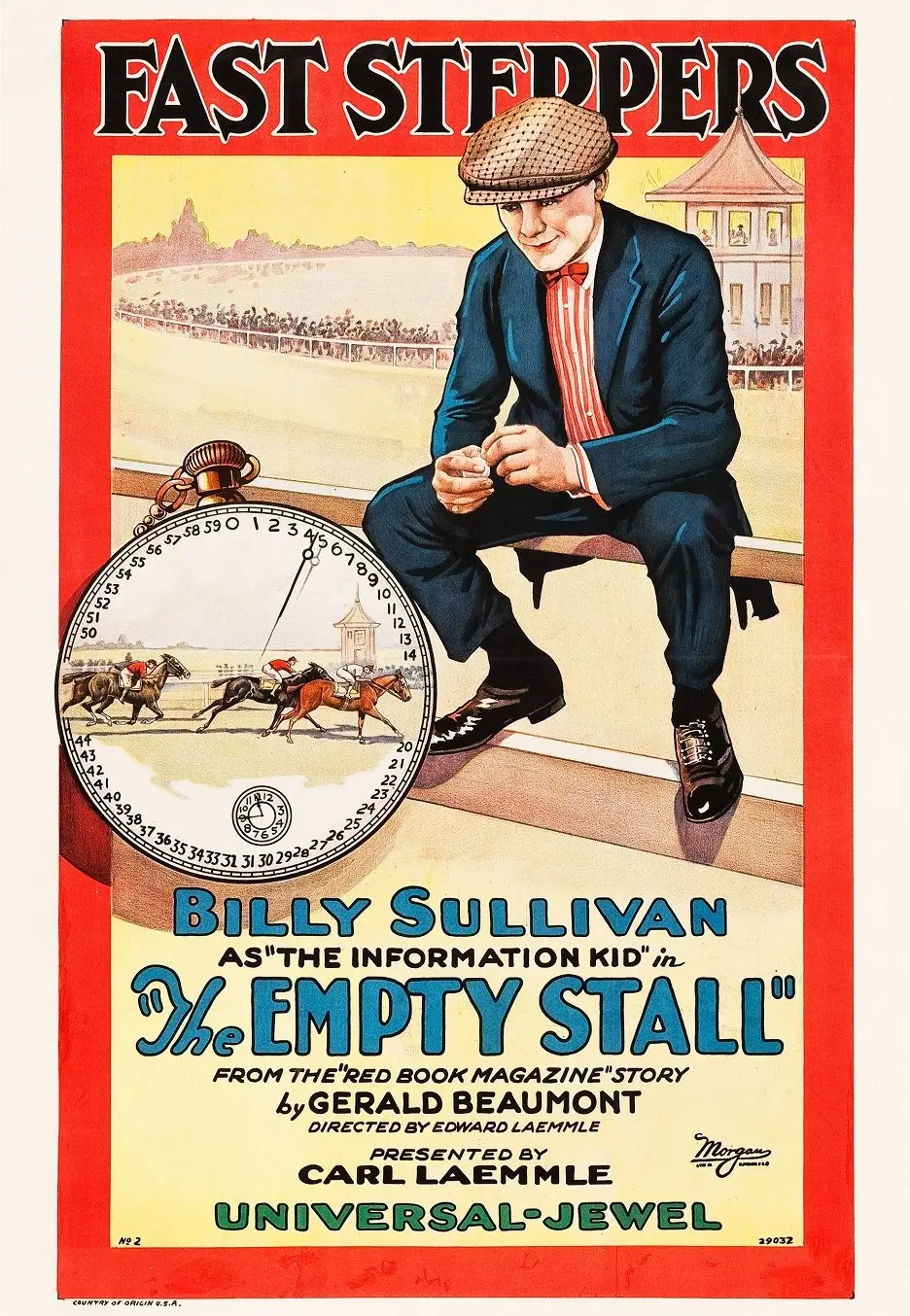
Ah, the silent era! A canvas of raw emotion and grand gestures, where the nuances of human experience were painted not with dialogue, but with the eloquent flicker of light and shadow, the subtle shift of an actor's gaze, and the sweeping majesty of a score. It’s a period often romanticized, sometimes misunderstood, but always ripe for rediscovery. And among its myriad offerings, a film like The Empty Stall emerges as a compelling, albeit perhaps lesser-known, testament to the enduring power of visual storytelling. This isn't just a motion picture; it's a meticulously crafted emotional journey, a poignant whisper from a bygone age that still resonates with contemporary audiences willing to listen.
Penned by the insightful duo of Scott Darling and Gerald Beaumont, The Empty Stall plunges us into the heart of a struggling Western ranch, a landscape both breathtakingly beautiful and brutally unforgiving. The narrative unfolds around the Vance homestead, a venerable, if financially beleaguered, property that serves as the last bastion of a fading dream. Old Man Vance, portrayed with a quiet dignity and palpable weariness by Duke R. Lee, embodies the stubborn resilience of a generation rooted to the land, even as the tides of progress and greed threaten to engulf him. His daughter, Elara, brought to vibrant life by the effervescent Shannon Day, is a revelation – a spirited young woman burdened by the weight of her family’s legacy, yet possessing an inner fire that refuses to be extinguished. Day’s performance is a masterclass in silent-era subtlety, her eyes conveying volumes of unspoken anguish and nascent hope.
The film’s central antagonist, Silas Blackwood, is a character etched in the indelible ink of avarice and ruthless ambition, masterfully embodied by James Quinn. Quinn's Blackwood is not merely a moustache-twirling villain; he's a predatory force, a harbinger of the encroaching industrial age threatening to swallow the pastoral idyll. His desire for the Vance ranch is more than just land acquisition; it’s a symbolic conquest, an obliteration of tradition for profit. The tension between these forces—the old world’s integrity versus the new world’s rapaciousness—forms the bedrock of the film’s dramatic thrust. It’s a theme that echoes through cinematic history, from the struggles depicted in The Old Nest's generational conflicts to the more overt power dynamics found in The Sea Wolf, albeit transposed to a different setting.
The titular "empty stall" isn't just a plot device; it's a profound metaphor. The disappearance of the Vance family's prized stallion, a magnificent creature vital to their livelihood and a symbol of their dwindling fortunes, creates a void that reverberates throughout the film. This emptiness is not merely physical; it represents the encroaching despair, the loss of hope, and the very real threat of cultural erasure. It's a brilliant stroke of screenwriting, transforming a simple theft into a catalyst for an existential crisis. Frank Kingsley, as Blackwood's shifty henchman, adds another layer of menace, his furtive glances and underhanded actions painting a vivid picture of the insidious sabotage at play.
Enter Jedediah Stone, portrayed with a compelling blend of earnestness and quiet strength by Billy Sullivan. Sullivan, known for his athletic prowess and boyish charm, imbues Jedediah with an unassuming heroism that is utterly captivating. His character is not a boisterous cowboy; rather, he is the steadfast heart of the ranch, a man whose loyalty runs deeper than words can express. His unspoken affection for Elara adds a tender, romantic undercurrent to the unfolding drama, elevating his quest beyond mere duty. Jedediah's journey to recover the stolen stallion is fraught with peril, a relentless pursuit that pits him against Blackwood’s formidable resources and the vast, indifferent wilderness. His resilience, often against insurmountable odds, becomes the beacon of hope in the film’s darkest moments.
The supporting cast, too, shines in their respective roles. Bert Woodruff, as the wise old prospector Grumpy Gus, provides moments of much-needed wisdom and rustic charm, his weathered face telling tales of a thousand sunrises and sunsets. Cesare Gravina, in a more subdued but equally effective performance as a sympathetic local shopkeeper, offers a glimpse into the community's quiet solidarity against external threats. These characters, though peripheral to the main conflict, anchor the story in a tangible reality, reminding us that the struggle of the Vance ranch is not an isolated incident but a microcosm of broader societal shifts.
Visually, The Empty Stall is a triumph of silent cinema’s aesthetic. The cinematography, while perhaps uncredited in some records, captures the vastness of the Western landscape with breathtaking scope, making it an active participant in the drama rather than a mere backdrop. The sweeping vistas, the intimate close-ups of anguished faces, and the dynamic staging of action sequences all contribute to a rich visual tapestry. One cannot help but draw comparisons to the grandeur seen in epics like The Queen of Sheba, albeit on a more grounded scale, or the intricate character studies found in films like Mr. Opp. The film's pacing is deliberate, allowing the emotional weight of each scene to fully develop, a hallmark of thoughtful silent-era filmmaking.
"The Empty Stall transcends its genre trappings, evolving into a timeless meditation on resilience, the corrosive nature of greed, and the enduring power of human connection against the backdrop of an unforgiving world."
The direction, which skillfully balances the intimate drama with moments of thrilling action, ensures that the audience remains thoroughly engrossed. The use of intertitles is particularly effective, not merely relaying dialogue but often providing poetic commentary that deepens the narrative’s emotional resonance. This careful balance between visual storytelling and textual guidance is a testament to the sophistication of silent film as an art form. It's a far cry from the more simplistic narratives sometimes seen in earlier works like The Skipper's Narrow Escape, showcasing the rapid evolution of cinematic language.
Beyond the immediate thrill of the chase and the dramatic confrontation, The Empty Stall delves into universal themes that resonate across generations. It’s a powerful exploration of loyalty—to family, to land, and to one's own moral compass. The film critiques the unchecked ambition that often accompanies progress, questioning the true cost of material gain when weighed against community and heritage. Elara’s struggle to save her ranch, and Jedediah’s unwavering support, speak to the enduring strength of the human spirit in the face of adversity. This thematic depth allows the film to stand proudly alongside other socially conscious dramas of the era, such as The Stimulating Mrs. Barton, which, though different in subject matter, also grappled with societal pressures and individual perseverance.
The narrative arc is meticulously constructed, building suspense with each thwarted attempt and each revelation of Blackwood’s treachery. The climax, a stirring confrontation that brings all the disparate threads of the story together, is both cathartic and emotionally satisfying. It’s here that Billy Sullivan and Shannon Day truly shine, their performances converging in a powerful display of resilience and burgeoning affection. The resolution isn't merely a happy ending; it's a hard-won victory, a testament to the idea that even in the face of overwhelming odds, integrity and courage can prevail. This echoes the triumphant spirit often celebrated in films of defiance and determination, such as The Dawn of Freedom.
In an age where cinematic history is often overlooked in favor of the latest blockbusters, rediscovering films like The Empty Stall is not just a nostalgic exercise; it’s an essential act of cultural preservation. It offers a window into the narrative techniques, acting styles, and societal concerns of a pivotal period in film history. While it might not possess the grand scale of some epic productions, its intimate focus and compelling characterizations give it an enduring power. It’s a film that reminds us of the universal nature of human struggles and triumphs, regardless of the technological advancements in filmmaking.
For cinephiles and casual viewers alike, The Empty Stall serves as a powerful reminder of the artistry that flourished in the silent era. It transcends its genre trappings, evolving into a timeless meditation on resilience, the corrosive nature of greed, and the enduring power of human connection against the backdrop of an unforgiving world. Its quiet brilliance, its compelling performances, and its expertly crafted narrative make it a film that deserves to be seen, discussed, and celebrated. So, if you ever find yourself yearning for a cinematic experience that speaks volumes without uttering a single word, seek out this gem. You won't find an empty experience, but rather a rich tapestry of emotion and drama that fills the screen with profound meaning.
The journey of Jedediah and Elara, the fate of the Vance ranch, and the symbolism of that once-empty stall, remain etched in the memory long after the final frame fades. It's a film that, much like the steadfast characters it portrays, stands the test of time, proving that true artistry needs no spoken language to communicate its deepest truths. Like a carefully preserved photograph, it captures a moment, a feeling, an entire world, inviting us to step back in time and witness a story that, despite its age, feels remarkably current in its emotional resonance. It’s a testament to the enduring craft of Scott Darling and Gerald Beaumont, and the compelling performances of its ensemble cast, that a film from such a distant era can still feel so immediate and vital.
The film’s ability to conjure such a vivid world, complete with its moral complexities and emotional highs and lows, without the aid of spoken dialogue, is nothing short of remarkable. It forces the viewer to engage on a deeper, more empathetic level, interpreting gestures, expressions, and the subtle interplay of characters. This active participation enriches the viewing experience, making the narrative feel more personal and impactful. One might compare this immersive quality to the intricate plotting of Under Suspicion, where visual cues and character reactions are paramount, or the rich character development found in adaptations like Barnaby Rudge. The film asks us to trust in the power of visual storytelling, and it rewards that trust handsomely.
Ultimately, The Empty Stall is more than just a historical artifact; it is a vibrant, living piece of cinema that continues to speak to the human condition. It reminds us that stories of struggle, love, and perseverance are timeless, transcending the technological limitations of their era. As critics, we often search for films that offer something new, something profound, and something that endures. The Empty Stall delivers on all counts, proving that sometimes, the greatest treasures are found not in the loudest pronouncements, but in the eloquent silences of the past. Its resonance is a testament to the artistry of its creators and the enduring power of a well-told tale, making it a must-see for anyone with an appreciation for the foundational works of cinema.
IMDb —
1916
Community
Log in to comment.