DbcultAccessing Vault...
5.8/10
Senior Film Conservator
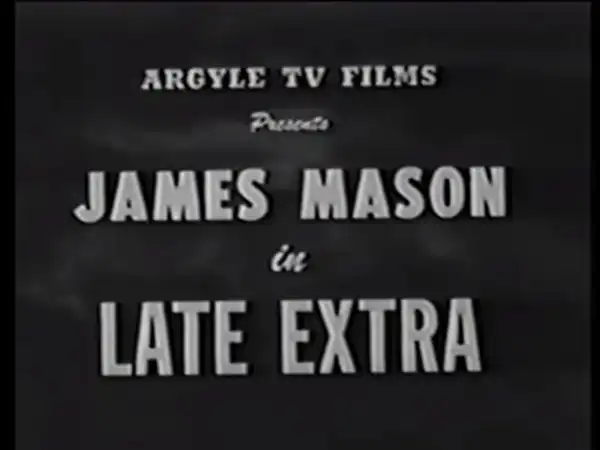
A definitive 5.8/10 rating for a film that redefined the boundaries of cult cinema. Late Extra remains a cornerstone of transgressive art.
So, Late Extra. Is it something you should dig up today? Honestly, if you're into those classic, gritty newspaper films where everyone's got a fedora and smokes a bit too much, then yeah, you might find something here. But if you're looking for slick modern pacing or big, complicated twists, you'll probably just find it a bit slow. It's a specific taste, for sure. 🗞️
What you mostly get is reporter Bob Mason (played by Bill Shine) scrambling to make sense of a cop killing. The premise is simple enough. A police officer is shot, and suddenly the newsroom is a hive of stressed-out guys trying to get the scoop. It's a good glimpse into how newspapers used to operate, all frantic phone calls and shouting.
There's this one scene where Shine's character is pacing around the newsroom, trying to connect dots. The camera just *sticks* on him for a beat too long. You can almost feel the editor in the room yelling at him to get a move on already. It gives you a real sense of his frustration, even if the acting is a little broad sometimes.
The film really shines in its atmosphere. The alleys are always wet, the streets are perpetually foggy. You get a lot of low-angle shots looking up at these imposing, dark buildings. It’s got that classic British noir vibe down pretty well, even if the budget clearly wasn't huge. The way the shadows fall in that one alley scene? Gosh, it gives you a proper chill. Like something from a much darker film, really. 🌧️
A few performances actually stand out, even in what feels like a fairly quick production. Antoinette Cellier, playing the daughter of a key suspect, has this quiet intensity. One reaction shot from her, when she hears about the killer, just sells a whole lot of unspoken fear. Her eyes, you know? They tell a story on their own, even if some of the other dialogue is a bit clunky around her.
And speaking of clunky, sometimes the dialogue feels like it's trying a little too hard to be tough. Like everyone's practicing their lines in the mirror before they say 'em. It's a charm, in a way, but also a bit jarring when someone's trying to be super serious. I kept wondering why everyone wore their hats indoors, too. Was it just… the style then? Or did they forget they were on camera? 🤔
The chase sequence near the docks is pretty rudimentary, as you'd expect for the era. A lot of running, then cutting to another shot of running. Not exactly pulse-pounding stuff, but it gets the job done. You don't see a lot of fancy camera work there, mostly just functional shots to keep the plot moving.
What struck me was how *busy* the background often is, even in scenes where not much is happening. Like, someone's always walking by with a stack of papers, or a phone is ringing off the hook. It sells the idea of a bustling news operation, which is neat. A small detail, but effective.
It’s a bit of a slow burn, but then, most films from that time were. Don't expect a rapid-fire thrill ride. What you get is a decent little snapshot of a bygone era, with some genuinely tense moments mixed in with a few eye-rolls. It's not a masterpiece, no, but it's got enough character to make it a worthwhile watch if you're into that very specific niche of vintage British crime.
A curiosity, definitely. Not for everyone, but those who 'get it' will probably appreciate its rough edges.
IMDb 7.9
1932
Community
Log in to comment.