DbcultAccessing Vault...
Cult Review
Senior Film Conservator
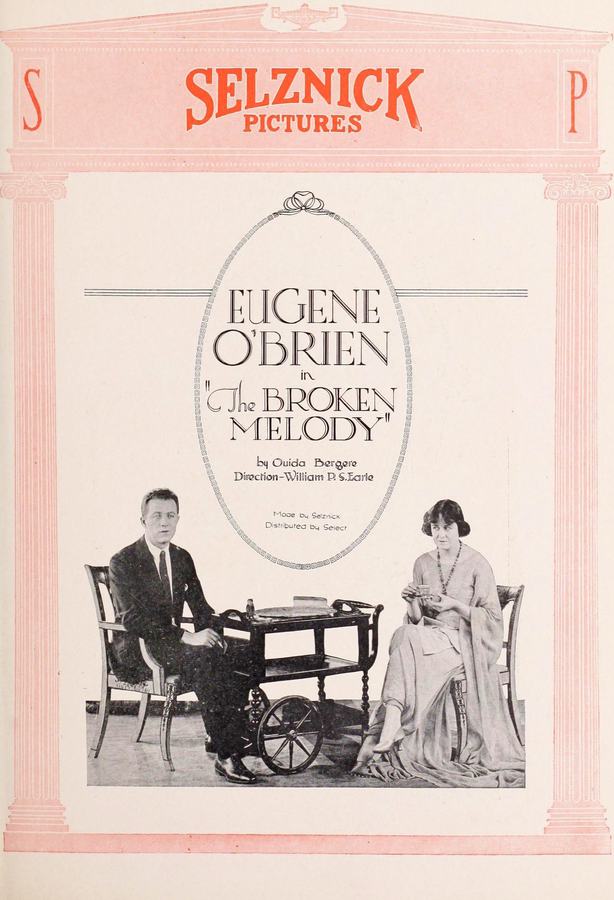
Smoke curls above Greenwich Village cafés like phantom snakes as The Broken Melody unveils its tragedy—a requiem for artists who mistake patronage for salvation. Director Eugene O’Brien crafts a suffocating tapestry where gaslight flickers on peeling wallpaper, and every glance carries the weight of unspoken contracts. Stewart (Jack W. Johnston) doesn't merely paint; he bleeds ochre and umber onto canvases that lean against damp tenement walls, his artistic hunger palpable in the trembling intensity Johnston brings to each scene. When Lucy Cotton’s Mrs. Trask glides into frame—a vision in furs and calculated generosity—the air curdles with the scent of spiritual chloroform.
What elevates Farnum and Bergère’s script beyond melodrama is its ruthless excavation of transactional love. Hedda (Corinne Barker, whose eyes hold entire sonnets) doesn’t merely "persuade" Stewart to accept Trask’s offer; she architecturally dismantles his resistance brick by brick, her smile never reaching the terrifying stillness in her pupils. Barker performs this emotional demolition with terrifying subtlety—a tremor in her wrist as she pours coffee, a fractional pause before endorsing Parisian exile. We later grasp the horror: her voice, that liquid-gold instrument, has been surgically excised in a grotesque bargain with Trask to fund Stewart’s passage. The revelation lands like a guillotine blade when Stewart returns, ebullient with new techniques, only to find Hedda’s throat stitched shut by privilege.
Cinematographically, the film weaponizes claustrophobia as narrative accomplice. Stewart’s Montmartre studio—a gilded cage paid for by Trask’s coffers—features windows that don’t open, reflecting his patron’s face in the glass like a specter over his shoulder. Compare this to the savage freedom of Mesoamerican jungles in The Captive God, and the confinement becomes visceral. Even Greenwich Village’s bohemian chaos feels airless, with O’Brien framing characters through stair railings and café mirrors, visually trapping them in societal expectations. When Mrs. Trask finally reveals her desire to "own" Stewart’s talent—"I don’t collect art, I collect artists"—the line lands with reptilian chill, Cotton’s delivery evoking the genteel sadism of characters from Bondwomen but layered with maternal perversion.
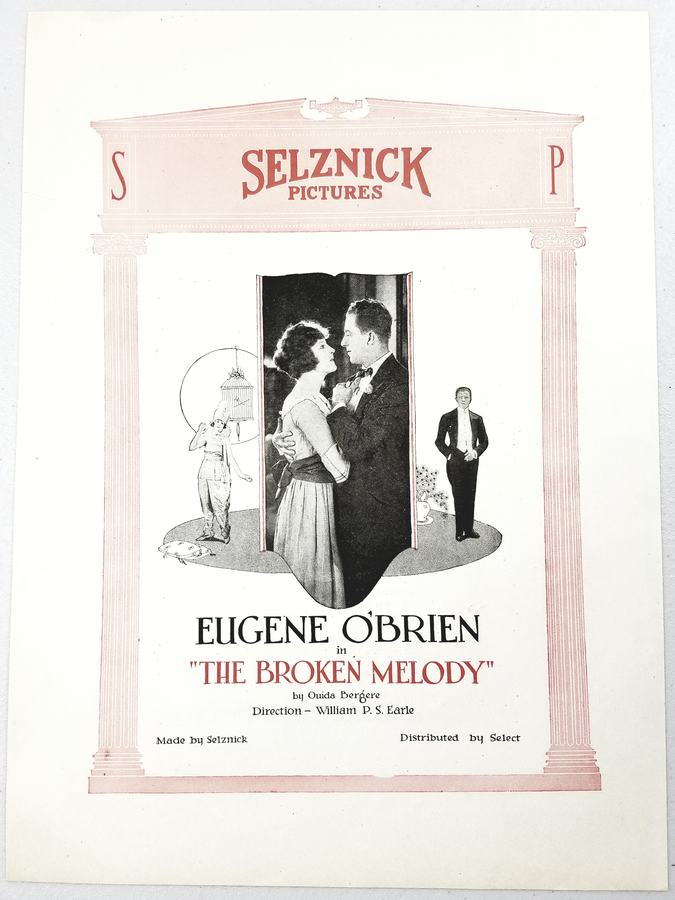
The film’s most audacious stroke lies in its soundless scream—a paradox for a silent feature. Hedda’s muteness becomes the deafening core around which all other silences orbit: Stewart’s failure to question her sudden endorsement of separation, Trask’s unspoken lust for control, the hollow applause at Hedda’s final, voiceless performance. Barker communicates entire histories through shoulder blades tightening under muslin, her fingers sketching forgotten arias in the air. This physical poetry echoes the desperate pantomime in A Prince in a Pawnshop, but where that film leaned on romanticism, Melody weaponizes gesture as trauma. The climactic concert sequence—where Hedda mouths lyrics to an oblivious audience while Stewart realizes his complicity—unfolds with excruciating stillness, the projector’s whirr feeling like a mournful theremin scoring her devastation.
Structurally, the narrative mirrors a sonata of betrayal. Exposition unfolds in Greenwich Village’s bustling allegro; the Paris act slithers into an andante of decaying morals; the finale detonates as a tragic prestissimo. This musical intentionality extends to visual motifs—spilled wine resembling blood on Montmartre cobblestones, the metronomic sway of a noose-like chandelier in Trask’s mansion, Hedda’s sheet music floating like funerary parchment in a rain-slicked gutter. Such symbolism feels bolder than the theatrical flourishes of The Purple Mask, grounding abstraction in bodily sacrifice.
Johnston’s performance evolves with devastating precision. His early scenes buzz with the restless energy of self-discovery, hands perpetually stained with paint. Post-Paris, his posture stiffens into that of a marionette sensing its strings. Watch the dinner scene where Trask "adjusts" his collar—Johnston’s flinch travels from his neck muscles down to fingertips gripping a fork, telegraphing violation without title cards. His unraveling upon discovering Hedda’s sacrifice transcends melodrama; it’s the guttural howl of a man realizing he auctioned his soul for technique. The subsequent rampage through Trask’s gallery—smeared pigments defacing his own paintings—feels like exorcism.
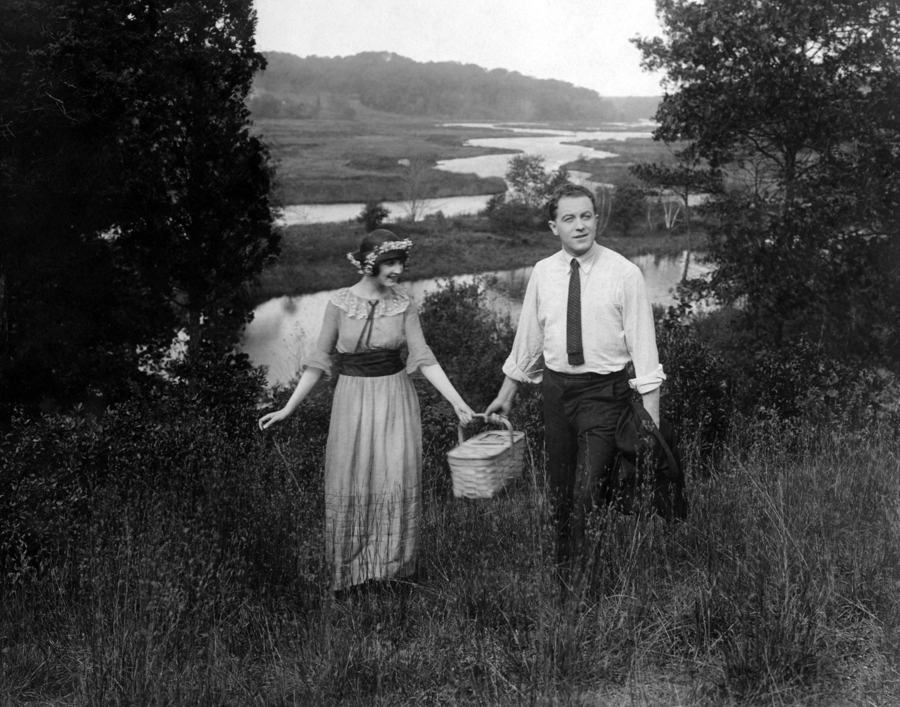
Supporting players etch unforgettable vignettes. Gus Weinberg’s cameo as a rheumy-eyed art dealer hissing "Talent’s just meat to them, boy" haunts the film like a prophecy. Donald Hall’s brief turn as a surgeon who mutes Hedda exudes chilling banality, washing blood from his hands like a butcher. These fragments coalesce into a Kafkaesque ecosystem where art is commodified, bodies are negotiable, and love is the ultimate liability. The film’s cynicism feels revolutionary for 1917, closer to post-war disillusionment than pre-war romanticism. It shares thematic DNA with Money Mad but swaps financial greed for cultural vampirism.
O’Brien’s direction wields shadows like philosophical tools. During Stewart’s voyage to France, the ocean becomes a Stygian void, waves lashing the ship like accusatory fingers. Parisian scenes initially shimmer with gauzy promise, only for focus to subtly blur at the edges—a visual metaphor for compromised vision. When Trask finally touches Stewart’s face in her gallery, the shadows from a Brancusi-esque sculpture fracture his profile into Cubist shards, visualizing fragmented identity. This sophistication surpasses the psychological tension of The Moment Before, integrating avant-garde aesthetics into narrative fabric.
The ambiguous denouement remains its masterstroke of cruelty. Stewart doesn’t rescue Hedda; he returns to Greenwich Village alone, haunted and purposeless. Her final shot shows her singing silently to destitute children—a Pietà of squandered talent. The film implies she finds grace in this martyrdom, but the ragged hollows under Barker’s eyes tell a darker truth: this is annihilation disguised as transcendence. Mrs. Trask, meanwhile, selects a new protégé in the closing frames, her predatory cycle unbroken. Such unresolved anguish feels shockingly modern, rejecting the era’s penchant for tidy redemption seen in The Rescue. There’s no salvation here—only the ghost note where love once resonated.
Ultimately, The Broken Melody dissects the violence of aspiration. Every frame asks: What marrow must artists extract from their bones to feed the culture machine? What symphonies die in throats throttled by patronage? Its power lies not in answers, but in the exquisite agony of the question—a century-old cautionary tale that still cuts with freshly honed edges. In an era of influencer commodification and artistic compromise, its scream remains deafeningly audible.
IMDb 6.2
1934
Community
Log in to comment.