DbcultAccessing Vault...
6.4/10
Senior Film Conservator
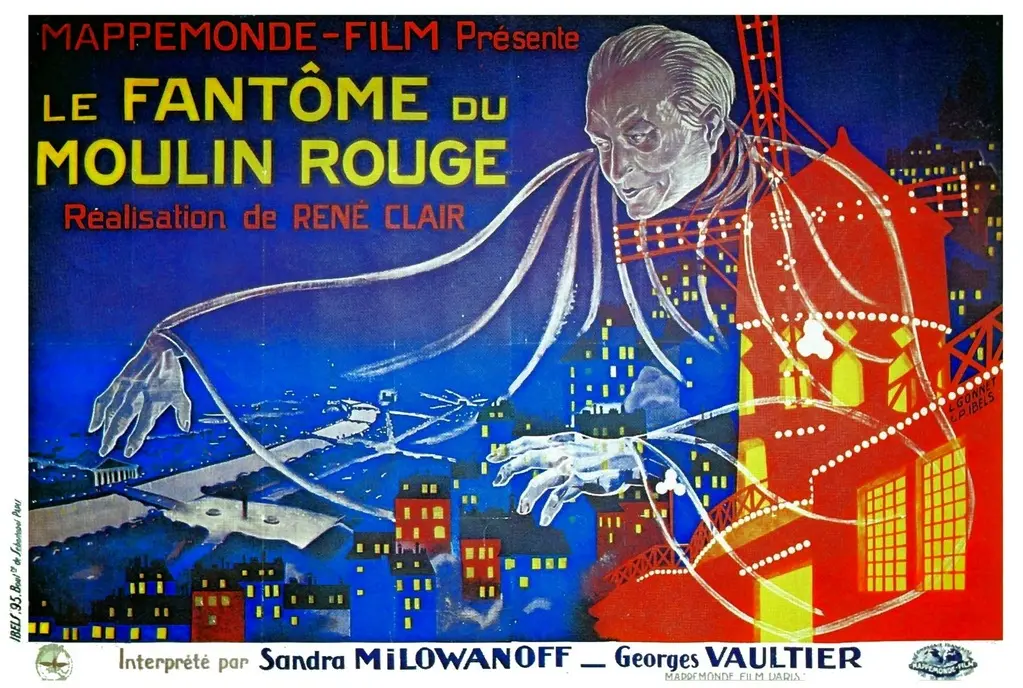
A definitive 6.4/10 rating for a film that redefined the boundaries of cult cinema. Le fantôme du Moulin-Rouge remains a cornerstone of transgressive art.
Le fantôme du Moulin-Rouge, a cinematic endeavor that etches itself into the realm of surrealist masterpieces, invites viewers on a journey that blurs the lines between reality and the ethereal. This film, directed by René Clair and penned by Walter Schlee and Clair himself, presents an intricate dance of liberation, identity, and the quintessential human condition.

The narrative centers around a protagonist who, through the enigmatic Dr. Renault's experiments, finds his spirit disentwined from his corporeal form. This event serves as the catalyst for an odyssey that traverses not only the physical spaces of Dr. Renault's isolated estate but also the intangible realms of human consciousness.

Upon arriving at the mysterious estate, the protagonist is immediately enveloped in an aura of mystique and foreboding. Dr. Renault, a figure shrouded in enigma, is portrayed with an air of intellectual pursuit, his actions driven by a relentless quest for knowledge. It is through his experiments that the protagonist's spirit begins to manifest independently, leading to a series of encounters and experiences that challenge the conventional understanding of identity and existence.

The film's exploration of spiritual liberation and the disassociation of the self from the physical form evokes parallels with certain works that similarly venture into the mystical and the unknown. For instance, Aura o las violetas, with its own delve into mystical and surreal territories, shares a thematic kinship with Le fantôme du Moulin-Rouge in its pursuit of the intangible and the mystical aspects of human experience.
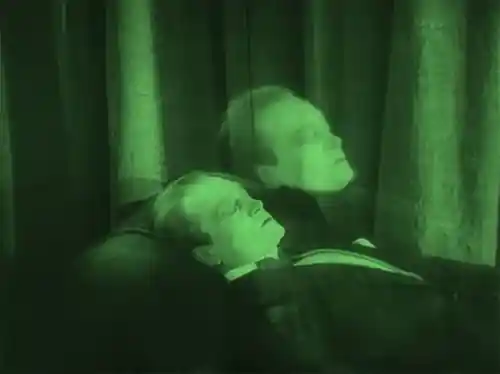
Furthermore, the cinematography and the use of mise-en-scène play pivotal roles in crafting the film's eerie and fascinating world. Each frame is meticulously composed to evoke a sense of wonder and unease, drawing viewers deeper into the narrative's labyrinthine structures. The interplay of light and shadow not only serves to underscore the protagonist's journey but also functions as a metaphor for the eternal dance between the known and the unknown.
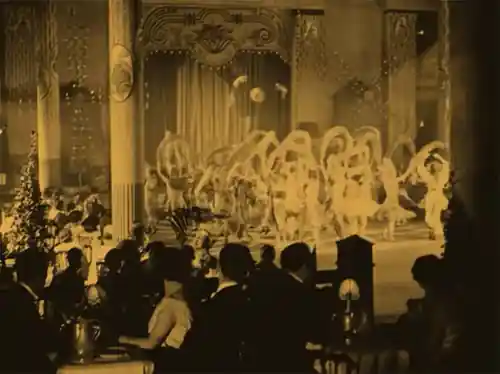
The performances of the cast, particularly Maurice Schutz and Paul Ollivier, add depth and complexity to the narrative. Their portrayals bring to life the characters' emotional and intellectual journeys, grounding the film's more surreal elements in a relatable human experience.
When compared to other works that explore themes of love, identity, and performance, such as The Kiss and On with the Show, Le fantôme du Moulin-Rouge distinguishes itself through its unique approach to storytelling and its bold exploration of the human psyche. While those films navigate the realms of romantic and social performance, Le fantôme du Moulin-Rouge ventures into the metaphysical, offering a rich tapestry of themes and symbolism that cater to a wide range of interpretive analyses.
In conclusion, Le fantôme du Moulin-Rouge stands as a testament to the power of surrealist cinema to challenge, intrigue, and inspire. It is a film that not only showcases the artistic and narrative capabilities of its creators but also invites viewers to engage in a dialogue with the unknown, the mystical, and the very essence of human existence.
The film's ability to weave a complex narrative that is at once enthralling and introspective speaks to the skill of its creators and the talent of its cast. As a work of cinematic art, Le fantôme du Moulin-Rouge remains a compelling and thought-provoking experience, akin to other notable films like You Find It Everywhere and Der König ihres Herzens, which also explore intricate themes and emotions.
Ultimately, Le fantôme du Moulin-Rouge is a masterpiece of surrealist cinema that continues to captivate audiences with its rich narrative and visual splendor. It is a film that demands to be seen and experienced, offering a unique journey into the heart of the surreal and the mysterious.

IMDb 5.6
1936
Community
Log in to comment.