DbcultAccessing Vault...
6.7/10
Senior Film Conservator
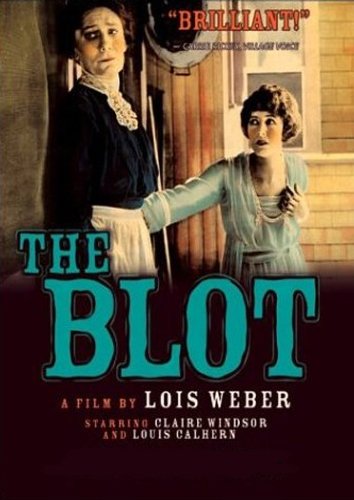
A definitive 6.7/10 rating for a film that redefined the boundaries of cult cinema. The Blot remains a cornerstone of transgressive art.
The cinematic landscape of the 1920s was marked by a myriad of films that sought to capture the essence of the human experience, with The Blot standing as a testament to the era's penchant for poignant storytelling. Directed by Lois Weber, this 1921 silent film is a masterful exploration of the intricacies of social class, the consequences of economic disparity, and the transformative power of human connection. As the narrative unfolds, the audience is introduced to a cast of characters that embody the complexities of their time, navigating a world where the affluent and the impoverished coexist in an uneasy harmony.
At the heart of the film lies the character of Amelia Griggs, played by Claire Windsor, a young woman from a impoverished family who finds herself at the center of attention from the wealthy neighbor Olsen and the Reverend Gates. This poignant portrayal serves as a catalyst for the exploration of themes that were both relevant to the time period and remain so today, including the struggles of those living in poverty and the social stratification that perpetuates inequality. In contrast to films like Her Second Husband, which focused on the complexities of relationships within the upper echelons of society, The Blot delves into the harsh realities of economic disparity, shedding light on the often-overlooked lives of those struggling to make ends meet.
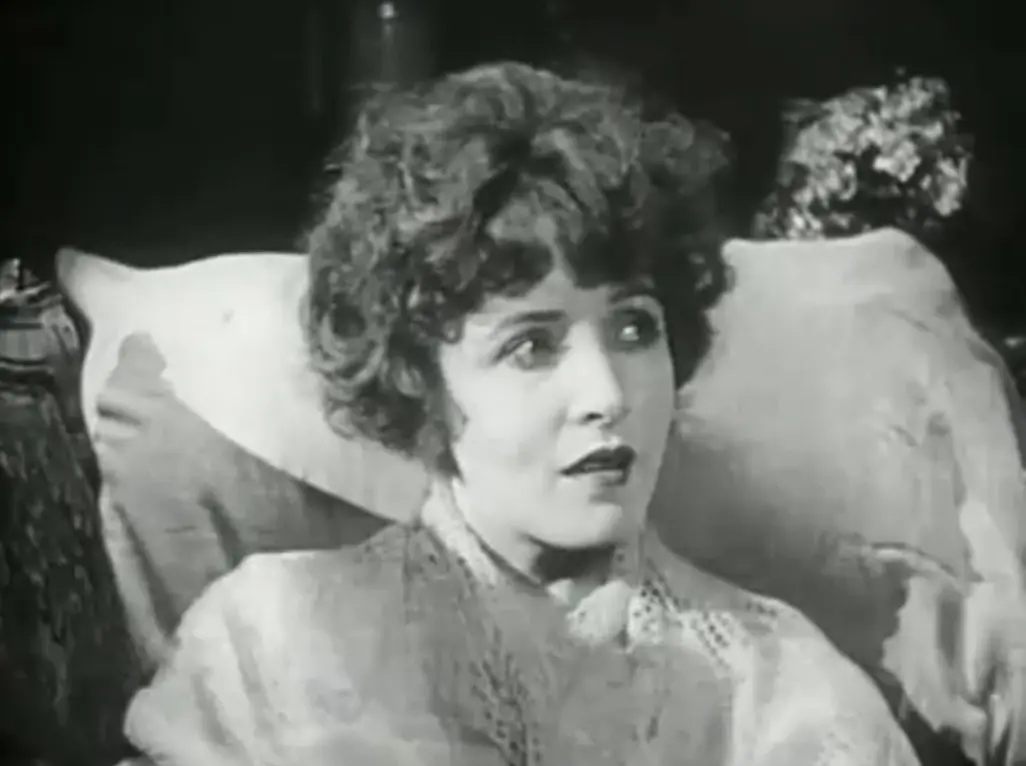
The character of Phil, played by Philip Hubbard, serves as a bridge between the two worlds, as he befriends the Reverend and becomes increasingly aware of the profound class divide that separates his own privileged existence from the harsh realities of poverty. This awakening sparks a desire to assist those in need, leading Phil to navigate a complex web of social disparities and personal relationships. In this regard, The Blot bears some resemblance to The Peddler, which also explored the intersections of social class and personal relationships, albeit in a distinctly different context.
One of the most striking aspects of The Blot is its thoughtful pacing, which allows the audience to absorb the intricacies of the narrative and become fully invested in the characters' journeys. This is a testament to the directorial prowess of Lois Weber, who weaves a complex tapestry of storylines and character arcs with remarkable deftness. In comparison to other films of the era, such as The Heritage of Hate, which relied heavily on melodrama and sensationalism, The Blot adopts a more nuanced approach, eschewing histrionics in favor of a thoughtful, character-driven narrative.
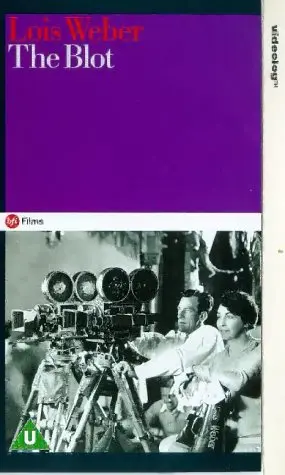
The performances in The Blot are equally impressive, with the cast delivering nuanced, empathetic portrayals of their characters. Claire Windsor shines as Amelia Griggs, bringing a depth and vulnerability to the role that is both captivating and heartbreaking. The supporting cast, including Larry Steers and Marie Walcamp, deliver strong performances that add depth and complexity to the narrative. In contrast to films like The Misleading Lady, which relied on the charisma of its lead actress to carry the film, The Blot benefits from a talented ensemble cast that elevates the entire production.
From a technical standpoint, The Blot is a remarkable achievement, with cinematography that is both evocative and expressive. The use of lighting and composition creates a visual landscape that is at once haunting and beautiful, perfectly capturing the mood and atmosphere of the narrative. In comparison to other films of the era, such as Alias Miss Dodd, which suffered from somewhat lackluster production values, The Blot stands out as a masterclass in cinematic storytelling, with every aspect of the production working in harmony to create a cohesive, engaging whole.
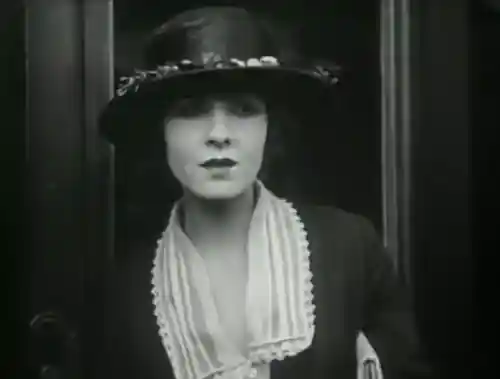
In conclusion, The Blot is a film that lingers in the mind long after the credits have rolled, its thoughtful exploration of social class, relationships, and personal growth leaving a lasting impression on the viewer. As a work of cinematic art, it stands alongside other classics of the era, such as The Sawdust Ring and Why I Would Not Marry, as a testament to the power of film to capture the human experience in all its complexity and beauty. Whether viewed as a historical artifact or a work of art in its own right, The Blot is a film that demands to be seen, its themes and messages remaining as relevant today as they were upon its initial release.
The influence of The Blot can be seen in a variety of other films, including A léleklátó sugár and Two Knights, which also explored the complexities of social class and personal relationships. However, The Blot remains a unique and powerful work, one that continues to resonate with audiences today. Its exploration of the human condition, coupled with its technical mastery and nuanced performances, make it a must-see for anyone interested in the art of cinema.
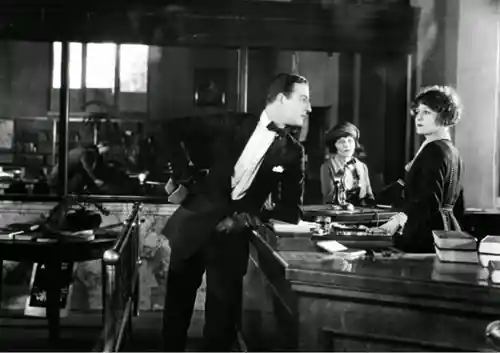
In the end, The Blot is a film that will leave you changed, its thoughtful portrayal of the human experience lingering in your mind long after the credits have rolled. It is a testament to the power of cinema to capture the complexities and nuances of human relationships, and a reminder that, despite the passing of time, the themes and messages of this film remain as relevant today as they were upon its initial release. So, if you haven't already, do yourself a favor and seek out The Blot – it's an experience you won't soon forget, and one that will leave you pondering the intricacies of the human condition for a long time to come.
As we reflect on the cinematic landscape of the 1920s, it becomes clear that The Blot is a film that stands out from the crowd, its thoughtful exploration of social class, relationships, and personal growth marking it as a true classic of the era. In comparison to other films, such as Pagan Love and Fate's Boomerang, The Blot adopts a more nuanced approach, one that is both deeply human and profoundly moving. As such, it is a film that demands to be seen, its themes and messages remaining as relevant today as they were upon its initial release.
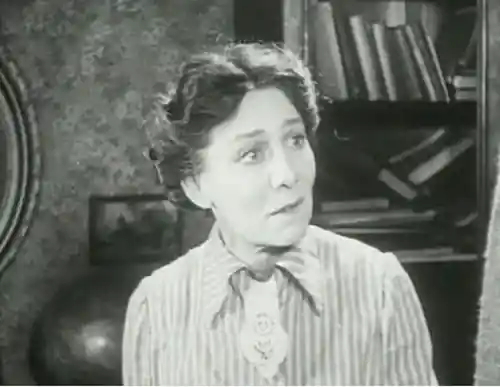
The legacy of The Blot can be seen in a variety of other films, including A Wild Girl of the Sierras and Perils of Paprika, which also explored the complexities of social class and personal relationships. However, The Blot remains a unique and powerful work, one that continues to resonate with audiences today. Its exploration of the human condition, coupled with its technical mastery and nuanced performances, make it a must-see for anyone interested in the art of cinema.
In the world of cinema, there are few films that can claim to have truly captured the essence of the human experience. The Blot is one such film, its thoughtful portrayal of social class, relationships, and personal growth marking it as a true classic of the era. As we reflect on the cinematic landscape of the 1920s, it becomes clear that The Blot is a film that stands out from the crowd, its nuanced approach and profound themes making it a must-see for anyone interested in the art of cinema. So, if you haven't already, do yourself a favor and seek out The Blot – it's an experience you won't soon forget, and one that will leave you pondering the intricacies of the human condition for a long time to come.
As the years go by, The Blot remains a film that continues to resonate with audiences, its exploration of the human condition and the complexities of social class marking it as a true classic of the era. In comparison to other films, such as Over the Garden Wall and A Woman's Man, The Blot adopts a more nuanced approach, one that is both deeply human and profoundly moving. As such, it is a film that demands to be seen, its themes and messages remaining as relevant today as they were upon its initial release.

IMDb —
1930
Community
Log in to comment.