DbcultAccessing Vault...
5.2/10
Senior Film Conservator
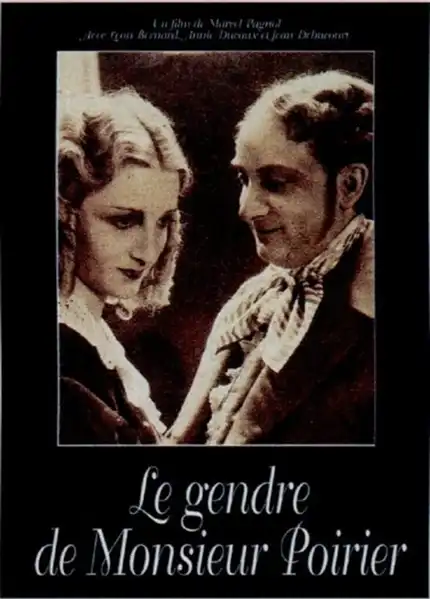
A definitive 5.2/10 rating for a film that redefined the boundaries of cult cinema. Le gendre de Monsieur Poirier remains a cornerstone of transgressive art.
Okay, so Le gendre de Monsieur Poirier isn't going to be for everyone today. If you're into snappy editing and big action, you'll probably bounce off this pretty hard. But for those who appreciate old-school French plays brought to screen, or just love seeing classic actors really chew on some dialogue, this one's definitely worth a look. It's a slow burn, mind you, a real relic, but it has a certain charm.
It’s about Monsieur Poirier, a wealthy, self-made man who just aches for social status. He marries his daughter, Antoinette, off to Gaston de Presles, a nobleman who’s, let's just say, a bit short on cash. Poirier wants that noble name, and Gaston... well, Gaston just wants Poirier’s money, plain and simple. It’s a classic setup, really, all about pride and pockets.
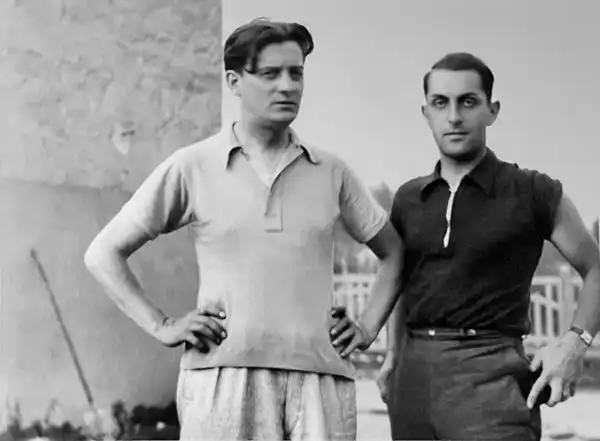
The whole thing feels very much like a play. And why wouldn't it? It is one. The camera mostly just watches, letting the actors do their thing. Sometimes you wish it moved a little more, or gave us a different angle, but then you get caught up in the talk. The dialogue is just so much talk, sometimes wonderfully sharp, sometimes a bit… wordy.
Fernand Charpin as Monsieur Poirier, he's the absolute heart of it. You feel for him, even when he’s being a bit much. He’s got this restless energy, always trying to prove himself. There’s a scene where he’s trying to impress Gaston with his business acumen, and Gaston just looks at him with this polite, almost bored superiority. That look, it says everything about their whole dynamic. 🧐
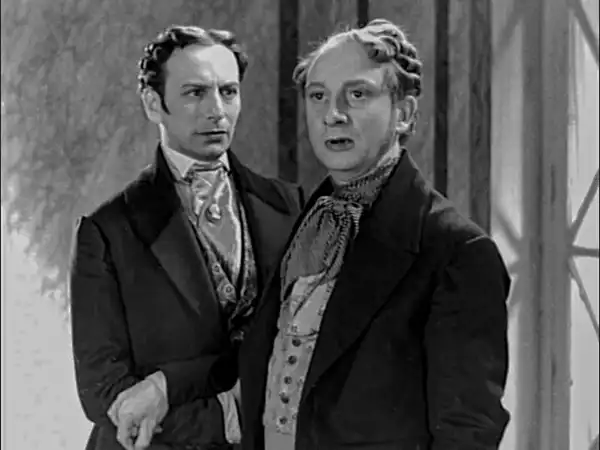
And Gaston, played by Jean Debucourt. Oh, he’s the epitome of the impoverished aristocrat. He moves with this easy grace, but you can feel the entitlement practically radiating off him. He doesn't even try to hide his disdain for Poirier's 'new money' ways. It’s almost comical how openly he despises his father-in-law, even while taking his francs.
Antoinette, Poirier’s daughter, she’s sort of stuck in the middle. Annie Ducaux plays her with a quiet dignity, mostly. She loves her father, but she’s also drawn to Gaston’s world, even if he’s a jerk. There’s a moment, a really brief one, where she catches Gaston making a snide comment about her father, and her face just falls. It's subtle, but it sells her internal struggle.
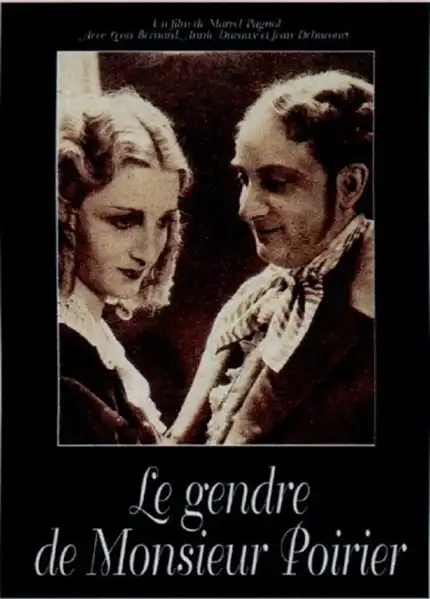
The movie is pretty much a series of drawn-out conversations. You've got Poirier trying to win Gaston over, then Gaston insulting Poirier, then Poirier trying again. It can feel repetitive, like watching the same argument play out slightly differently each time. But then, that’s kind of the point, isn't it? The stubbornness of both men.
One thing that really stuck with me was how the film handles the idea of a 'name.' Poirier thinks he can just buy one, graft it onto his family tree. Gaston, on the other hand, believes his name is something inherent, something you’re born with, not acquired. It's a real clash of values, played out with a lot of stiff upper lips and dramatic pauses.
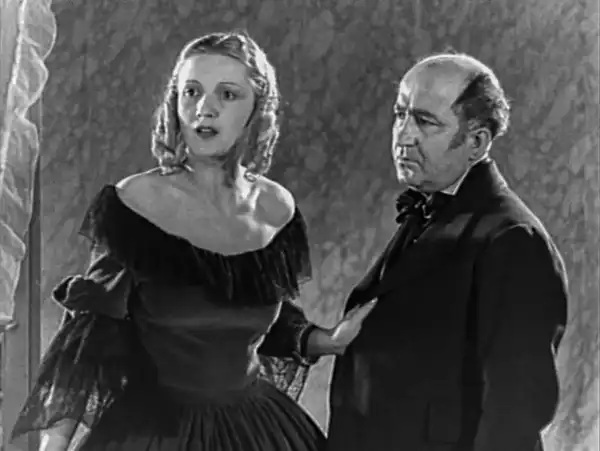
There’s a small, almost throwaway scene where Poirier is practicing a bow, trying to be more 'gentlemanly.' It's kind of heartbreaking. He's trying so hard to fit into a world that just doesn't want him. Meanwhile, Gaston barely lifts a finger and everyone treats him like royalty just because of his birth. It’s a very French kind of social critique.
The costumes and sets are, well, period. They look authentic, nothing flashy. The interiors are mostly grand but a bit stiff, much like the characters themselves. You can almost smell the old wood and beeswax. It’s not a visually stunning film, not in the way modern movies are, but it’s right for the story.
Sometimes the scenes go on a little long, especially when Gaston is delivering one of his pompous speeches. You find yourself fidgeting, waiting for Poirier to just lose it. And sometimes he does, just a little, and those are the best bits. Fernand Charpin’s face when he’s trying to hold his temper? Gold.
It's not a laugh-out-loud comedy, more like a wry smile kind of film. The humor comes from the sheer absurdity of these social conventions and the very human pride and folly of the characters. If you get into its rhythm, it’s quite enjoyable. If not, it might just feel like a very long drawing-room drama. ☕
So, yeah. Le gendre de Monsieur Poirier. It's a window into a different time, a different kind of storytelling. A quiet watch, maybe with a cup of tea. Don't expect fireworks, but do expect some sharp observations on class and character. You might even find yourself rooting for old Monsieur Poirier, despite his social climbing.
IMDb —
1926
Community
Log in to comment.