DbcultAccessing Vault...
6.7/10
Senior Film Conservator
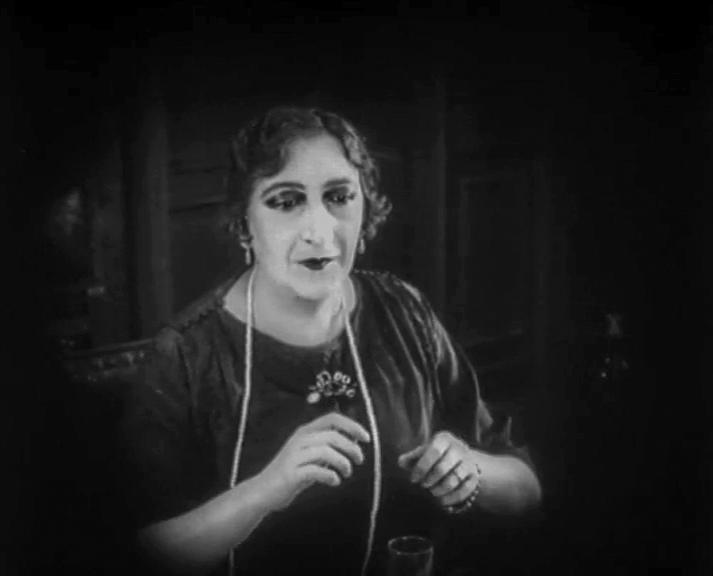
A definitive 6.7/10 rating for a film that redefined the boundaries of cult cinema. Le mauvais garçon remains a cornerstone of transgressive art.
Stepping into the world of Le mauvais garçon is akin to opening a forgotten diary from a bygone Parisian era, a chronicle rich with the scent of ambition, the whisper of illicit affections, and the stark, beautiful contrast between seasoned cynicism and burgeoning innocence. This cinematic gem, helmed by the evocative pens of Jacques Deval and Henri Diamant-Berger, presents a tapestry woven with threads of seduction and self-discovery, anchored by a cast that breathes palpable life into its intricate narrative. It’s a film that eschews simplistic moralizing, instead inviting us to observe human nature in its most vulnerable and cunning forms, all against the backdrop of a city perpetually caught between its grand boulevards and its shadowy alcoves.

At the core of this compelling drama is Roger, portrayed with a captivating blend of rakish charm and underlying fragility by Pierre de Guingand. Roger is, to put it mildly, a connoisseur of female companionship, a man whose life seems to be an ongoing series of carefully orchestrated romantic escapades. His collection of conquests isn't merely a testament to his allure but perhaps a defense mechanism, a way to keep genuine emotion at bay. He navigates his world with an almost theatrical flair, each encounter a performance, each goodbye a practiced exit. Yet, the film masterfully introduces a disruptive force into his meticulously curated existence: Miss Massoubre. Her arrival isn't a mere addition to his roster but a seismic event, challenging the very foundations of his philandering philosophy. Marie Bell, in the role of Miss Massoubre, imbues her character with an enigmatic depth, a woman whose allure is not just physical but intellectual, a force that gradually chips away at Roger's carefully constructed facade. She represents an authenticity that his previous dalliances conspicuously lacked, forcing him to confront the hollow echo of his own superficiality.
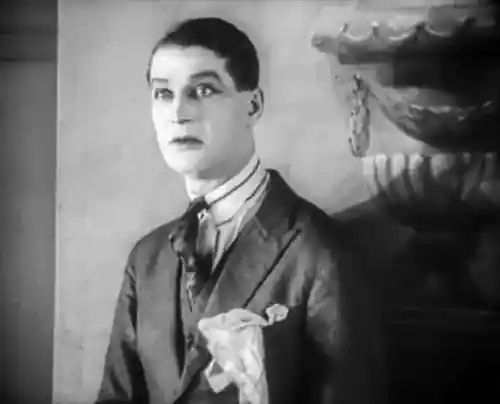
The brilliance of Le mauvais garçon lies not just in Roger’s transformation, but in its parallel narrative following Miss Massoubre's younger brother, Louis-Philippe. Louis Pré Fils delivers a nuanced performance as the innocent, almost cloistered youth, whose eyes are just beginning to open to the wider, more complex world beyond his sheltered upbringing. His journey into the Parisian nightlife—a world that, ironically, Roger knows intimately but often exploits—is a poignant counterpoint to his sister's mature entanglement. Louis-Philippe's discovery of the city's vibrant, sometimes dangerous, underbelly resonates with a universal coming-of-age narrative. It’s a delicate dance between innocence and experience, much like the thematic currents found in early American silent films such as The Gulf Between, which often explored societal divides and individual journeys through moral landscapes, albeit with a different cultural lens. While The Gulf Between focused on class and a burgeoning sense of individual agency, Le mauvais garçon delves deeper into the psychological intricacies of desire and disillusionment.
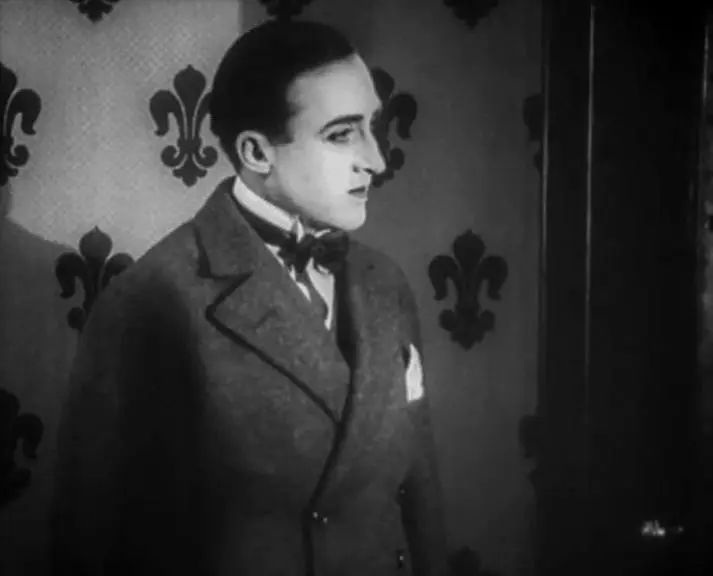
Maurice Chevalier, though perhaps not the central figure, lends his inimitable presence to the film, adding layers of charm and a touch of the familiar French cinematic panache. His performance, even in a supporting capacity, elevates the ensemble, providing moments of lightness and worldly wisdom that punctuate the more intense dramatic moments. The cast, a veritable constellation of talent including Nina Myral, Marguerite Moreno, and the formidable Édouard de Max, works in concert to create a believable, bustling world. Each actor, from the fleeting appearance of Antoine Bibesco to the more substantial roles, contributes to the film’s rich texture, ensuring that no character feels like a mere caricature. This ensemble strength is crucial in portraying the myriad facets of Parisian society, from its elegant salons to its more bohemian haunts.

The narrative craftsmanship of Deval and Diamant-Berger is particularly noteworthy. They manage to infuse the plot with a sense of inevitability without sacrificing spontaneity. The dialogue crackles with wit and subtext, revealing character through carefully chosen words and pregnant silences. This sophisticated approach to storytelling sets Le mauvais garçon apart from many of its contemporaries, which often relied on more melodramatic tropes. One might draw a thematic parallel to films like Mrs. Dane's Defense, which also explored societal judgment and hidden pasts with a keen eye for psychological drama, though Le mauvais garçon feels less constrained by the rigid moralizing often found in early English-language cinema. Here, the moral landscape is more fluid, more French, if you will, allowing for a greater degree of ambiguity and human complexity.

The film’s exploration of innocence, its loss, and its eventual redefinition, finds echoes in other cinematic works. Louis-Philippe’s journey, for instance, evokes the vulnerability seen in characters from films like Sins of Her Parent, where the younger generation often bears the brunt of earlier transgressions or societal pressures. However, Louis-Philippe's awakening is less about inherited guilt and more about a personal, self-driven exploration of forbidden fruits. His experiences are not merely reactions to external forces but active engagements with the world, shaping his understanding of himself and his place within it. This self-actualization, even if born from naiveté, is a powerful current throughout the film.
Visually, the film captures the essence of Paris with an understated elegance. The cinematography, while perhaps not as overtly experimental as some avant-garde works of the period, serves the story with precision and grace. Shots are composed to highlight character interactions and emotional states, rather than merely showcasing scenic backdrops. The interiors feel lived-in, the street scenes authentic, transporting the viewer directly into the heart of 1930s Paris. This fidelity to atmosphere is crucial for a story so deeply rooted in its urban setting, allowing the city itself to become a character, a silent observer of the human drama unfolding within its confines.
IMDb 5.8
1920
Community
Log in to comment.