DbcultAccessing Vault...
Cult Review
Senior Film Conservator
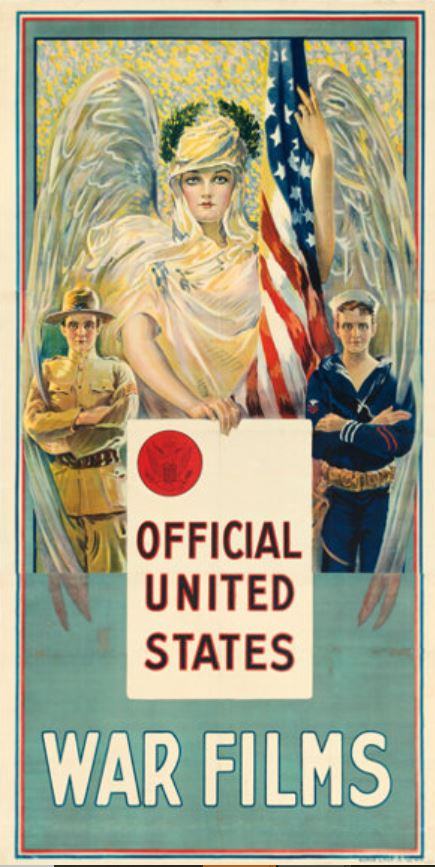
Stepping into the temporal vortex that is Allies' Official War Review, No. 7, one is immediately struck by the sheer audacity of its purpose: to distill the sprawling, often chaotic, narrative of a global conflict into a digestible, morale-boosting cinematic experience. This isn't merely a historical document; it's a meticulously crafted piece of wartime communication, a testament to the nascent power of film as a propaganda tool during an era when the moving image was still a relatively novel medium. Released at a critical juncture, likely amidst the grinding attrition of the First World War, this particular installment serves as a fascinating artifact, offering a curated window into how the Allied powers sought to shape public perception, galvanize support, and project an image of unwavering resolve.
The film, devoid of a conventional plot in the dramatic sense, instead unfolds as a series of compelling vignettes, each designed to highlight a different facet of the Allied war machine and the collective spirit driving it. We are transported from the churning waves of the North Atlantic, where naval vessels cut formidable silhouettes against a leaden sky, to the muddy, scarred landscapes of the Western Front. The cinematography, though rudimentary by today's standards, possesses an raw immediacy that is undeniably captivating. There’s an almost visceral quality to the footage of warships patrolling, their guns poised, hinting at unseen dangers and the constant vigilance required to maintain maritime supremacy. One can almost taste the salt spray, feel the relentless rhythm of the engines, and sense the immense responsibility borne by those at sea. This segment, in its quiet power, effectively communicates the strategic importance of naval control, a theme echoed in other contemporary war films that sought to emphasize the global reach of the conflict.
Shifting gears, the review plunges us into the trenches, a stark contrast to the vast openness of the ocean. Here, the focus narrows to the individual soldier, or rather, the collective body of soldiers, engaged in the arduous, often thankless, task of holding the line. The imagery is unvarnished: men in uniform, their faces etched with a blend of fatigue and determination, engaged in the mundane yet vital routines of trench life – digging, reinforcing, waiting. There’s a palpable sense of the shared burden, the camaraderie forged in adversity. This isn't the heroic charge often depicted in more dramatized narratives; instead, it’s a portrayal of resilience, of enduring the unimaginable. The filmmakers skillfully use close-ups to humanize the experience, allowing glimpses of individual resolve within the larger, anonymous mass. It's a powerful, albeit subtle, counter-narrative to the more sensationalized accounts, grounding the war in the everyday heroism of those who lived it.
One of the more intriguing aspects of Allies' Official War Review, No. 7 is its deliberate emphasis on technological advancement and strategic ingenuity. A segment dedicated to aerial reconnaissance is particularly noteworthy. The sight of early biplanes, seemingly fragile yet remarkably effective, soaring above the battlefields, offers a glimpse into the future of warfare. The grainy footage, shot from these very aircraft, reveals the intricate patterns of trench lines, the strategic placement of artillery, and the movements of enemy troops. It’s a compelling demonstration of how rapidly military tactics were evolving, driven by innovation. This visual narrative serves not only to inform but also to reassure the public that the Allied forces were at the forefront of military technology, employing every available resource to gain an advantage. This emphasis on innovation is a recurring motif in wartime propaganda, designed to instill confidence in the war effort.
The film’s narrative arc, if one can call it that, culminates with a focus on the home front, a crucial element in any comprehensive war review. Here, the camera turns its gaze to the factories humming with activity, the fields being tilled by diligent hands, and the various civilian initiatives supporting the troops. Women are prominently featured, contributing to the war effort in roles previously dominated by men, from munitions factories to agricultural labor. This segment is designed to highlight the collective mobilization of society, underscoring the idea that victory is not solely won on the battlefield but also forged in the workshops and fields of the nation. It's a powerful message of unity and shared purpose, fostering a sense of national solidarity. The depiction of civilian stoicism and industriousness provides a necessary counterbalance to the grim realities of the front lines, reminding viewers that every contribution, no matter how seemingly small, plays a vital role in the grander scheme.
From a technical perspective, Allies' Official War Review, No. 7, while undeniably a product of its time, demonstrates a surprising degree of sophistication in its editing and pacing. The transitions between scenes, though often abrupt, serve to maintain a dynamic flow, preventing any single segment from overstaying its welcome. The use of intertitles, a common feature of silent cinema, is particularly effective here, providing context, identifying locations, and reinforcing the desired message. These textual insertions act as a guiding voice, ensuring that the audience grasps the significance of each visual sequence. The film’s structure, moving from the macro (naval strategy) to the micro (trench life) and back to the societal (home front), creates a comprehensive, if idealized, portrait of the Allied effort. It’s a testament to the early filmmakers' understanding of how to construct a compelling visual argument, even without the benefit of synchronized sound.
Comparing it to other films of the era, the 'Official War Review' series occupies a unique space. Unlike narrative features such as The Tide of Death, which might dramatize the human cost of conflict through individual stories, or even the more overtly patriotic Guarding Old Glory, which likely focused on flag-waving and nationalistic fervor, this review aims for a more journalistic, albeit curated, presentation. It seeks to inform and reassure, rather than merely entertain or sensationalize. While films like Black Friday or The Gods of Fate explored societal anxieties or grander philosophical themes, the 'War Review' series remained firmly rooted in the immediate, tangible realities of the ongoing conflict. It’s a more direct form of communication, less allegorical and more reportorial, even if that reportage is filtered through a specific agenda.
The lasting impact of a film like Allies' Official War Review, No. 7 extends beyond its immediate wartime purpose. For contemporary audiences, it serves as an invaluable primary source, offering genuine, if edited, footage of a pivotal historical period. It allows us to observe the visual language of early propaganda, to understand the subtle and not-so-subtle ways in which public opinion was swayed. The film's depiction of the sheer scale of the conflict, from the vastness of the sea to the claustrophobia of the trenches, resonates with a power that mere textual accounts often struggle to convey. It's a visceral connection to a past that, for many, exists only in textbooks and faded photographs. The dedication and sacrifice captured within these flickering images remain profoundly moving, even a century later.
Moreover, the review inadvertently provides a fascinating study in early cinematic realism. While staged elements were undoubtedly present, the bulk of the footage feels authentic, capturing candid moments of human experience amidst the machinery of war. The expressions on the soldiers' faces, the determined posture of the factory workers, the sheer grit of those enduring the daily grind – these are not performances in the conventional sense. They are glimpses into lives lived under extraordinary pressure, lending the film an almost ethnographic quality. It’s a window into the prevailing mood, the collective anxieties, and the enduring hopes of a generation embroiled in an unprecedented global struggle. Films like Gira política de Madero y Pino Suárez, while documenting political events, share this observational, almost documentary-style approach, focusing on factual representation rather than fictional narratives.
In its essence, Allies' Official War Review, No. 7 is more than just a historical relic; it’s a masterclass in early cinematic communication. It demonstrates how filmmakers, even with limited technology, could craft a compelling narrative, evoke powerful emotions, and influence public discourse on a grand scale. The careful selection of imagery, the deliberate pacing, and the clear, concise intertitles all contribute to its effectiveness. It's a reminder of the foundational role that cinema played, not just as entertainment, but as a potent force in shaping national identity and collective will during times of profound crisis. Its continued relevance lies in its ability to transport us back to that tumultuous period, allowing us to witness the war not through the embellished lens of fiction, but through the stark, often haunting, gaze of contemporary eyes. The film stands as a testament to human resilience and the enduring power of the moving image to chronicle, persuade, and inspire, even when confronting the most harrowing aspects of the human condition.
The meticulous attention to detail, even in the seemingly mundane, is what elevates this review beyond simple propaganda. We see the precision with which artillery pieces are loaded, the systematic deployment of troops, and the careful planning evident in the construction of temporary bridges. These are not merely fleeting images; they are deliberate choices designed to convey competence, efficiency, and an overwhelming sense of organized effort. The film avoids overt jingoism, instead opting for a more understated yet equally powerful demonstration of national strength and unity. It’s a subtle form of persuasion, relying on visual evidence rather than bombastic rhetoric. This approach arguably makes it more impactful, allowing the viewer to draw their own conclusions about the righteousness and inevitability of the Allied cause, guided by the carefully curated imagery. The sheer weight of visual information presented, even if framed within a particular perspective, offers a rich tapestry for historical analysis and cinematic appreciation.
Ultimately, revisiting Allies' Official War Review, No. 7 today is an exercise in both historical reflection and cinematic archaeology. It’s a rare opportunity to witness the birth of a new form of mass communication being wielded with profound purpose. The film doesn't just show us what happened; it shows us how a nation wanted its people, and the world, to perceive what was happening. It’s a powerful reminder of the symbiotic relationship between media and momentous events, a relationship that continues to define our understanding of conflict and its representation. The legacy of such films informs our contemporary understanding of documentary, newsreels, and even the subtle art of political messaging. It underscores the timeless power of visuals to shape narratives and influence perception, making this humble war review an enduring and profoundly significant piece of cinematic history.

IMDb —
1918
Community
Log in to comment.