DbcultAccessing Vault...
7.3/10
Senior Film Conservator
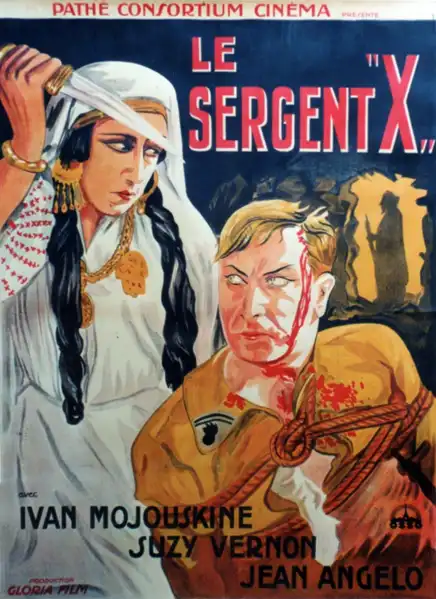
A definitive 7.3/10 rating for a film that redefined the boundaries of cult cinema. Le sergent X remains a cornerstone of transgressive art.
Alright, so Le sergent X. Yeah, this one’s a proper time capsule. If you’re into grand, sweeping silent films, the kind where every gesture is a capital-E Emotion, then you might find something pretty captivating here. Folks who need snappy dialogue or complicated plot twists? Probably not your cup of tea. It’s a very specific kind of old-school heartbreak.
The core story, honestly, is pretty devastating. A Russian officer, our main guy, played by Ivan Mozzhukhin with that incredible, almost haunted gaze, is thought to be dead. Lost in some unnamed conflict. So, his wife, after a suitable period of mourning, moves on. She remarries. Life, as it does, continues. It’s a practical decision, really, for her own well-being.
But then he comes back. Alive. This is where the film really, truly starts to dig in. That moment when he first sees her with another man… it’s *palpable*. No words needed, just Mozzhukhin’s face. You can practically see the world shift under his feet. It’s not anger, not really. More like a profound, quiet despair. Almost a recognition. 💔
His decision not to reveal himself, to essentially ghost his own life, is the whole engine of this thing. He doesn't make a scene. He just… observes. He watches her new happiness. And this is key: it’s not a bitter happiness, it seems genuine. This makes his choice even more difficult, more noble.
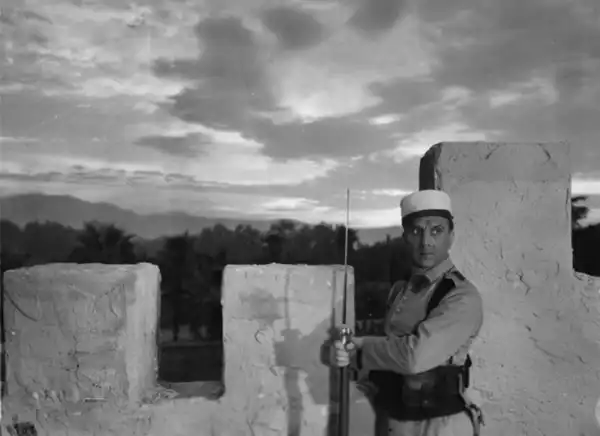
Then comes the Foreign Legion. Talk about a dramatic exit! It’s this almost romanticized idea of escaping your past, losing your identity. Becoming "Sergent X." The film portrays his enlistment with a certain solemnity. Not a heroic act in the traditional sense, but a deeply personal, tragic one. The uniforms, the dusty landscape… it all adds to this feeling of a man shedding his old self.
There are these small, lovely touches throughout. A lingering shot on a photo of the past. A quick glance between two characters that says more than any title card could. The way Laure Savitsch, as the wife, carries herself. She seems content, yes, but there's a certain fragility to her. Like the peace she found could be shattered at any moment. You just feel for her, knowing what she doesn't.
The pacing is very much of its era. Long takes. Less frenetic editing. It asks you to sit with the emotion, to really *feel* what these people are going through. Some might find this slow, and I get that. But for me, it allowed those big, silent performances to really breathe. Mozzhukhin’s eyes, seriously, they carry so much of the narrative load. They tell you everything you need to know about his inner turmoil. 👀
One scene that stuck with me: a brief shot of him walking through a crowded market, completely anonymous, while somewhere nearby, his old life goes on without him. It’s a quiet, powerful image of his self-imposed exile. Almost like he’s a ghost in his own story.
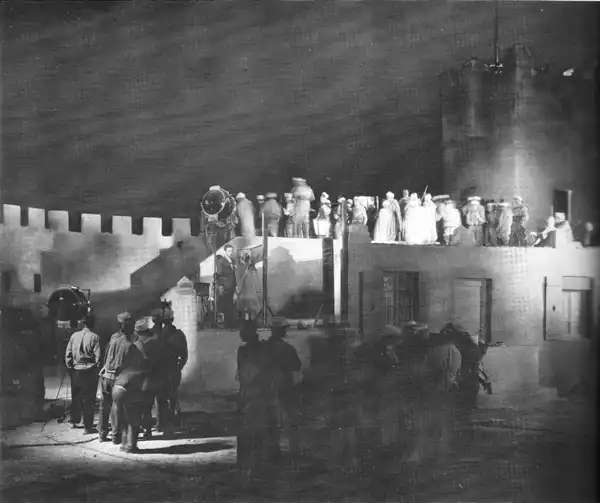
The secondary characters, like the new husband, are mostly there to serve the main conflict. He’s not a villain, just… the man who happened to be there. And he seems like a decent fellow, which only makes the situation worse for our Sergent X. No easy bad guy to blame.
Is it perfect? No. Some of the dramatic flourishes feel a little overcooked by today's standards. There’s a certain operatic quality that modern audiences might struggle with. But you have to remember the context. This was cinema finding its voice, and it often spoke in grand gestures.
For fans of silent film, or anyone curious about how powerful storytelling can be without a single spoken word, Le sergent X is definitely worth checking out. It’s a heavy watch, not a fun Friday night flick. But it’s got a genuine, beating heart. It reminds you of the immense sacrifices people sometimes make for love, or what they believe is love. And it really sticks with you, that feeling of a man choosing to disappear. Kind of a beautiful, awful thing. 😢
IMDb —
1929
Community
Log in to comment.