DbcultAccessing Vault...
Cult Review
Senior Film Conservator
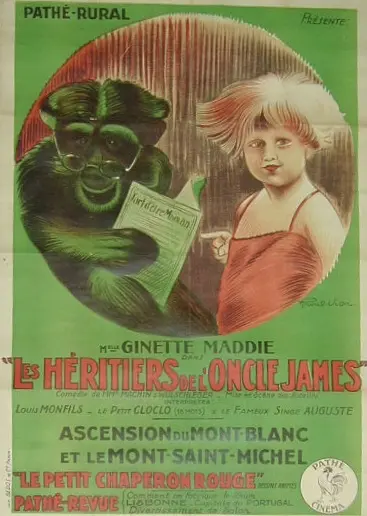
Ah, the timeless allure of a substantial inheritance! It’s a narrative hook as old as storytelling itself, yet one that, in the hands of skilled creators, never ceases to captivate. Such is the enduring charm of Les héritiers de l'oncle James, a film that, despite its vintage, speaks volumes about human nature, the corrosive power of avarice, and the unexpected places where true affection can blossom. Penned by the insightful duo of Henry Wulschleger and Alfred Machin, this cinematic endeavor delves into the murky waters of familial obligation versus genuine love, presenting a masterclass in character study and moral reckoning.
At the heart of this intricate drama stands Uncle James, a figure of considerable wealth, eccentricities, and perhaps, a touch of loneliness. His unmarried status amplifies the desperation of his relatives, who circle him like vultures, each convinced they are the rightful heir to his coffers. The film paints a vivid, almost satirical, portrait of these characters – a gallery of self-serving individuals whose every gesture, every saccharine smile, is meticulously calculated to curry favor. Their 'love' for Uncle James is a flimsy veneer, easily seen through by anyone with an ounce of discernment, and certainly by the old man himself, who, despite his quirks, is far from naive. The genius of the narrative lies in its unblinking portrayal of this human flaw, reminding us that wealth often attracts the least deserving attention, transforming genuine relationships into transactional ones.
"The film's exploration of greed is a stark reminder that true affection cannot be bought or feigned, a lesson as relevant today as it was in its own time."
Amidst this swirling vortex of avarice, Ginette, portrayed by the remarkable Ginette Maddie, emerges as a refreshing counterpoint. She is the lone voice of authentic affection, a relative whose concern for Uncle James stems not from a desire for his wealth, but from a wellspring of genuine empathy and familial devotion. Her character is the moral compass of the film, guiding both the audience and, ultimately, Uncle James, towards a truer understanding of what constitutes a family. Ginette's actions are driven by an innate goodness, a quality that shines even brighter against the backdrop of her relatives' transparent machinations. It's her quiet strength and unwavering integrity that set the stage for the film's most profound revelations.
Ginette's pivotal decision to bring two war orphans into Uncle James's life is a stroke of narrative brilliance. These children, scarred by conflict yet radiating an innocent vulnerability, are more than mere plot devices; they are catalysts for transformation. Their presence forces Uncle James to confront the emptiness of his solitary existence and the superficiality of the affections showered upon him by his greedy kin. The orphans offer him something his wealth never could: unconditional love, a sense of purpose, and the profound joy of genuine connection. In their wide, trusting eyes, Uncle James begins to see the stark contrast between the manipulative 'love' of his relatives and the pure, unburdened affection of these children. This development is reminiscent of themes explored in films like Wanted: A Baby, where the arrival of a child fundamentally alters the dynamics and priorities of adults, albeit in a different context.
The orphans inadvertently become the instrument through which Ginette exposes the true colors of Uncle James's other relatives. Their natural childish exuberance and need for attention are met with thinly disguised annoyance, impatience, and even hostility from the avaricious family members, who view the children as unwelcome competitors for the uncle's affections and, more importantly, his fortune. This stark contrast serves as a powerful indictment of their hypocrisy, laying bare their self-serving motives for all to see, especially Uncle James. The film masterfully builds this tension, allowing the audience to witness the gradual erosion of the relatives' facades, revealing the ugliness beneath their polished exteriors. The subtle performances by actors like Georges Térof, Claude Machin, Madame Dempsey, Monsieur de Nogine, Madame Giret, Louis Monfils, and Suzy Love as the various relatives, contribute to this collective portrayal of societal critique.
Just as this newfound family unit begins to coalesce, a dramatic twist shatters the fragile peace: the sudden, unexpected appearance of the orphans' biological father, a Lieutenant. This development introduces a seismic shift in the narrative, throwing all the characters into disarray. For Uncle James, it means confronting the potential loss of the children who have brought so much meaning to his life. For Ginette, it's a test of her altruism and her commitment to the well-being of the orphans. For the greedy relatives, it’s another complication, another variable in their relentless pursuit of wealth. The Lieutenant's return isn't just a plot device; it's a profound exploration of attachment, loss, and the complex bonds of both blood and chosen family. It forces everyone to re-evaluate their priorities and the true nature of their love.
"The film brilliantly poses the question: What truly constitutes a family – blood ties or the bonds forged through genuine care and affection?"
Les héritiers de l'oncle James is a rich tapestry woven with enduring themes. The stark contrast between greed and altruism is central, with Ginette representing the latter and the majority of the relatives embodying the former. The film subtly critiques the societal obsession with material wealth, suggesting that true riches lie in human connection and selfless affection. Furthermore, it delves into the concept of 'found family' versus 'blood family.' Uncle James discovers a deeper, more meaningful bond with the orphans and Ginette than he ever shared with his biological relatives. This thematic depth allows the film to transcend its historical setting, offering insights into human behavior that remain universally applicable. The emotional journey of Monsieur Schey as Uncle James, transforming from a cynical eccentric to a loving guardian, is particularly compelling.
The narrative's strength is undoubtedly a testament to the masterful storytelling of Henry Wulschleger and Alfred Machin. Their ability to craft a plot brimming with both moral weight and dramatic tension is commendable. They don't shy away from portraying the ugliness of human nature, yet they also champion the redemptive power of kindness and genuine love. The way they introduce the orphans, develop Uncle James's character arc, and introduce the climactic return of the Lieutenant speaks to a profound understanding of pacing and emotional impact. Their screenplay, even in summary, promises a nuanced exploration of complex relationships, making it a film that lingers in the mind long after the credits roll.
While specific cinematic techniques might be lost to time, the enduring power of Les héritiers de l'oncle James lies in its narrative and its profound characterizations. It's a film that, through its compelling storyline, invites viewers to ponder fundamental questions about love, loyalty, and the pursuit of happiness. It challenges the notion that blood alone dictates family, asserting instead that true kinship is forged in acts of selfless care and mutual respect. The film's examination of familial discord and the pursuit of wealth, much like the intricate social dynamics explored in His House in Order, resonates with audiences across generations. It’s a powerful reminder that while money can complicate relationships, it cannot truly buy the kind of enduring affection that enriches a life.
In an era often defined by fleeting trends and superficial narratives, Les héritiers de l'oncle James stands as a robust testament to the timeless appeal of stories that delve into the depths of the human heart. It's a film that, with its sharp wit and emotional depth, continues to offer valuable lessons on the true meaning of inheritance – not of material wealth, but of love, compassion, and the invaluable bonds that truly define us. For anyone seeking a narrative that explores the intricate dance between self-interest and genuine human connection, this film remains an essential viewing experience, a cinematic gem that, like a rare vintage, only grows richer with time.
IMDb 5.7
1929
Community
Log in to comment.