DbcultAccessing Vault...
Cult Review
Senior Film Conservator
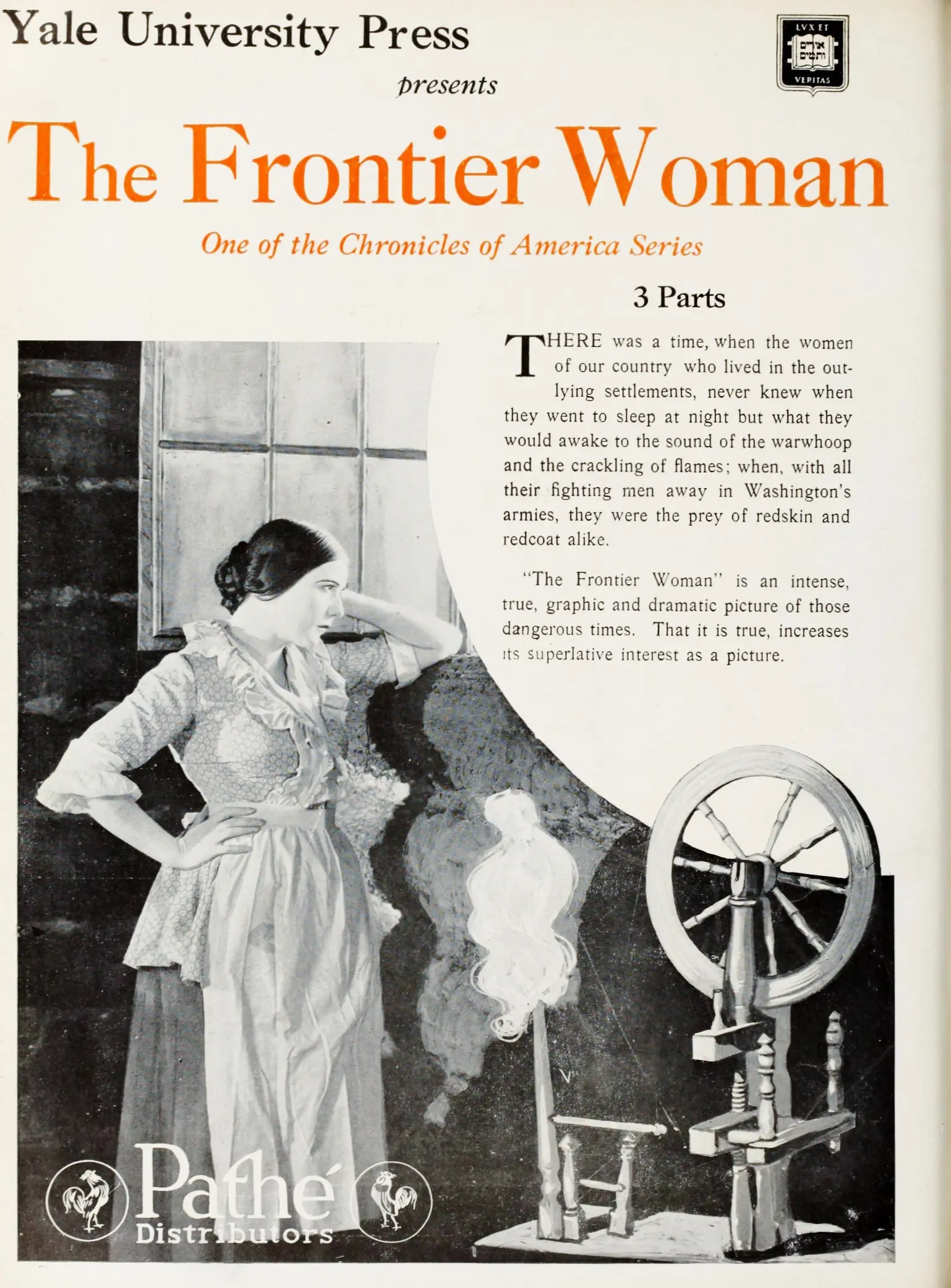
In the harsh, unforgiving landscape of 1780 Tennessee, Frontier Woman unfolds as a testament to the indomitable human spirit. This cinematic masterpiece, rooted in the early American experience, masterfully navigates the complexities of survival, sacrifice, and maternal love.
The film, based on the novel by Nathaniel Wright Stephenson, tells the poignant story of a widowed pioneer woman, played by Morgan Jones, who finds herself at the helm of a small family unit, accompanied by her two young daughters. As they confront the daunting challenges of the frontier, their narrative becomes an embodiment of resilience, hope, and the unyielding quest for survival.
The cinematography, though rudimentary by today's standards, effectively captures the unforgiving beauty of the Tennessee wilderness. The rugged, uncharted landscape serves as a character in its own right, presenting obstacles that test the family's resolve and ingenuity. From the grueling tasks of daily survival to the ever-present threat of external dangers, the film's portrayal of frontier life is both unflinching and captivating.
The performances, particularly that of Morgan Jones, bring depth and nuance to the narrative. Her portrayal of the widowed pioneer woman is multifaceted, conveying a sense of vulnerability, determination, and unwavering dedication to her children. The chemistry between Jones and her on-screen daughters is palpable, lending authenticity to the family's plight.
In examining Frontier Woman, it is essential to consider the broader context of cinematic works that explore similar themes. Films such as Zhenshchina, kotoraya izobrela lyubov and Dinty also delve into the complexities of human relationships and the struggle for survival, albeit in different settings. The Call of the North (1921) and No Mother to Guide Him similarly explore the challenges faced by individuals in isolated or unforgiving environments.
The direction, while occasionally faltering, generally succeeds in conveying the emotional resonance of the narrative. The pacing, though leisurely by modern standards, allows for a thoughtful and immersive viewing experience. This attention to detail and commitment to authenticity are hallmarks of a film that genuinely seeks to engage its audience.
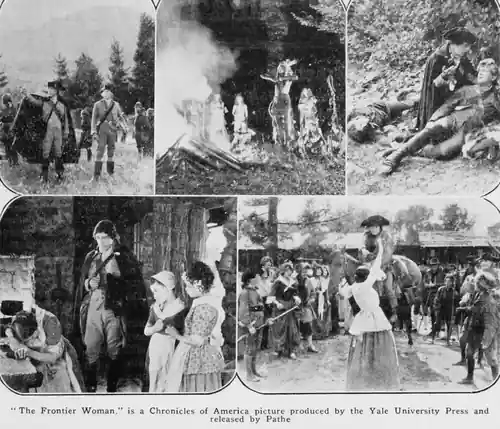
Upon closer inspection, Frontier Woman reveals itself to be more than a simple tale of survival; it is an exploration of the human condition. The film's portrayal of a woman navigating the complexities of frontier life, while raising her children, serves as a powerful testament to the enduring strength of the human spirit. This nuanced exploration of character and theme sets Frontier Woman apart from its contemporaries, such as Her Honor the Mayor and Nedbrudte nerver, which, while excellent in their own right, do not quite capture the same level of depth and complexity.
In comparing Frontier Woman to other films of the era, such as The Door That Has No Key and The Mark of Cain, it becomes clear that this film occupies a unique position within the cinematic landscape of the 1920s. While some films of the period, like Headin' Through and A Tropical Romeo, focus on more lighthearted or romanticized portrayals of life, Frontier Woman presents a grounded, realistic narrative that challenges its audience.
The score, while not a focal point of the film, effectively complements the on-screen action. The use of period-specific instrumentation and musical motifs adds to the overall sense of authenticity, drawing the viewer further into the world of the film. This attention to detail extends to the production design, which successfully recreates the harsh realities of frontier life.
In conclusion, Frontier Woman stands as a remarkable achievement in cinematic storytelling. Its exploration of the human spirit, coupled with its nuanced portrayal of character and theme, make it a must-see for fans of period dramas and classic cinema. While some aspects of the film may seem dated, its core narrative remains as relevant today as it was upon its initial release.
Ultimately, Frontier Woman serves as a powerful reminder of the enduring strength of the human spirit. Its portrayal of a woman and her children navigating the complexities of frontier life is both captivating and thought-provoking. As a work of cinematic art, it continues to resonate with audiences, offering a glimpse into a bygone era and the people who inhabited it.
Comparable films: Upside Down, High Speed (1920), Ansigttyven I, Sequel to the Diamond from the Sky, and Fresh from the City.

IMDb 6.2
1931
Community
Log in to comment.