DbcultAccessing Vault...
Cult Review
Senior Film Conservator
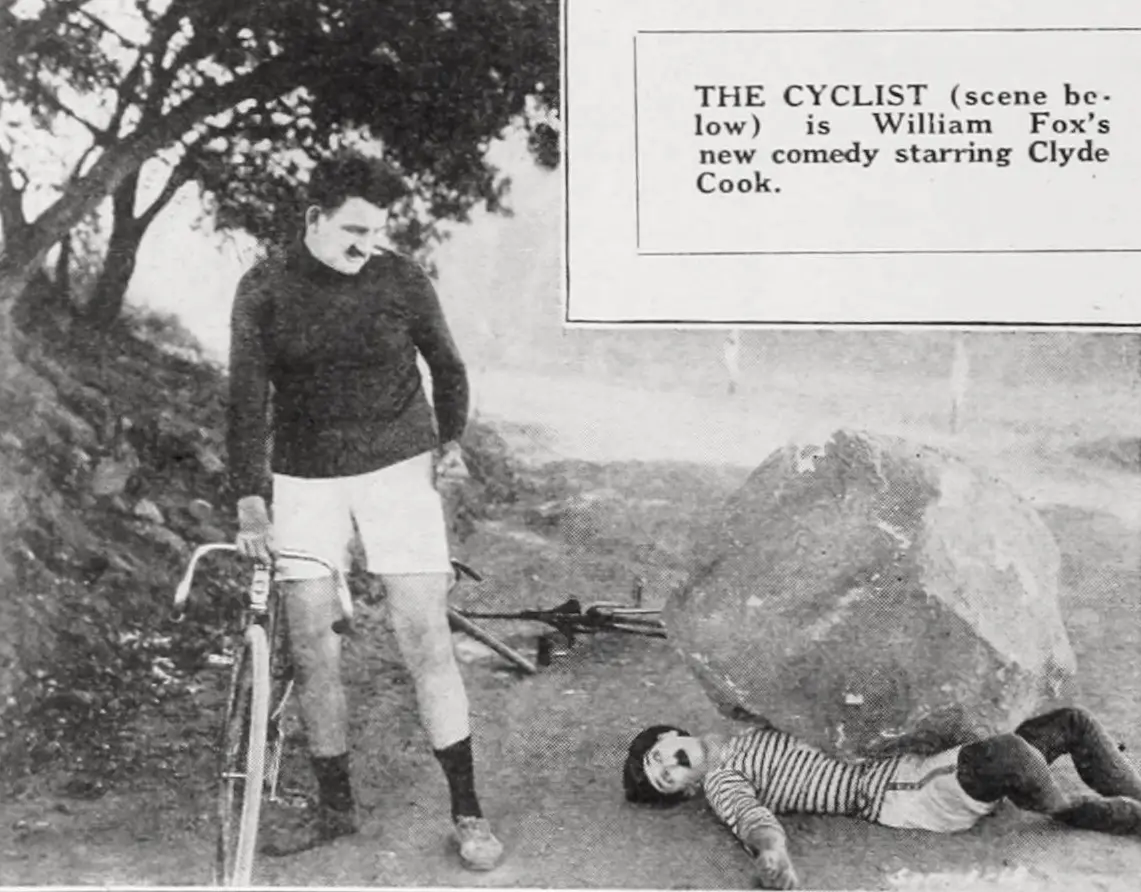
The Unsung Symphony of Slapstick: Revisiting 'The Cyclist'
In the grand, often chaotic tapestry of early cinema, where the silent screen conveyed narratives through exaggerated gesture and visual wit, 'The Cyclist' emerges as a particularly vibrant thread. This delightful romp, featuring the inimitable talents of Clyde Cook and Edgar Kennedy, stands as a testament to the enduring power of physical comedy, a genre that, when executed with precision and panache, transcends the need for spoken dialogue. It's a film that doesn't merely entertain; it captivates, drawing audiences into a world where the laws of physics are playfully bent and the pursuit of a simple task becomes an epic odyssey of pratfalls and close calls. For those unfamiliar with the nuanced artistry of silent-era slapstick, 'The Cyclist' offers a masterclass, demonstrating how expressive bodies and perfectly timed gags can articulate more than a thousand words.
Clyde Cook, in the role of Bartholomew 'Barty' Bumble, delivers a performance that is nothing short of acrobatic brilliance. Cook, with his distinctive rubbery physique and almost perpetual state of wide-eyed astonishment, was a unique fixture in the silent comedy landscape. He wasn't merely an actor; he was a living, breathing cartoon, capable of contorting himself into impossible shapes and executing complex physical routines with a seemingly effortless grace. In 'The Cyclist,' his portrayal of Barty, the perpetually optimistic yet profoundly accident-prone courier, is a tour de force of physical comedic timing. Every stumble, every near-miss, every frantic dash is choreographed with an almost balletic precision, yet imbued with an authentic sense of desperate urgency. His character embodies the quintessential underdog, a figure whose earnest intentions are constantly undermined by a universe seemingly conspiring against him. The audience finds themselves rooting for Barty not just because he's a good-natured soul, but because Cook makes his plight so palpably, hilariously real.
Opposite Cook's effervescent chaos is the magnificent Edgar Kennedy, whose Officer O'Malley serves as the perfect, immovable object to Cook's irresistible force. Kennedy was a master of the 'slow burn,' a comedic technique where a character's exasperation gradually escalates from mild annoyance to volcanic fury, often without a single word being uttered. His facial expressions, particularly the widening eyes and the tightening of his jaw, speak volumes, communicating a frustration that is both deeply personal and universally relatable. As Officer O'Malley, Kennedy embodies the rigid adherence to order, the unwavering belief in protocol, which makes his encounters with Barty's accidental anarchy all the more comical. The contrast between Cook's frenetic energy and Kennedy's simmering indignation creates a dynamic tension that is the very engine of the film's humor. It's a classic pairing, reminiscent of other great comedic duos, where the clash of personalities generates an endless fount of mirth. One might even draw parallels to the frustrated authority figures in films like Rookies, where well-meaning but bumbling protagonists often drive their superiors to the brink of despair.
The narrative, while simple in its premise – a courier attempting to deliver a valuable item – becomes a sprawling canvas for an astonishing array of slapstick gags. From the initial bicycle mishap that sends Barty careening through a baker's window, showering him and the surrounding street with flour and pastries, to the climactic chase through the park, 'The Cyclist' is a relentless barrage of expertly crafted comedic set pieces. The gag involving the swapped tiara box and a carton of donuts is a stroke of genius, building suspense and humor simultaneously, culminating in a delightful reveal. The sheer inventiveness of the physical comedy is remarkable, showcasing a profound understanding of how to exploit everyday objects and situations for maximum comedic effect. This film doesn't rely on cheap tricks; its humor is derived from intelligent construction and impeccable timing, a hallmark of the golden age of silent comedy. The rapid-fire succession of events keeps the audience engaged, never allowing a moment for the laughter to subside, much like the frenetic pacing one might find in a madcap ensemble comedy such as Mixed Nuts, though with a distinct silent-era charm.
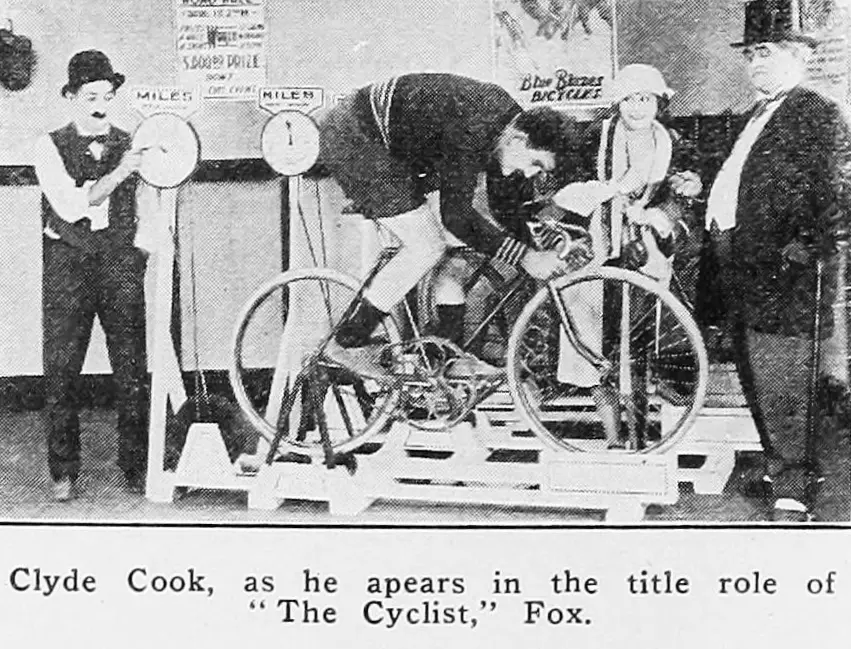
Beyond the immediate laughter, 'The Cyclist' subtly explores themes that resonate even today. It's a story of the little man against the system, of an individual's earnest efforts being constantly misinterpreted by authority. Barty, despite his clumsiness, possesses an indomitable spirit, a refusal to be defeated by circumstance. This resilient optimism in the face of adversity is a timeless human quality, making his character remarkably endearing. Officer O'Malley, on the other hand, represents the rigid, often unyielding nature of rules and order, a force that, while necessary, can sometimes be comically at odds with the unpredictable currents of human existence. The film also paints a vivid, albeit exaggerated, picture of urban life in the early 20th century – a bustling, dynamic environment where technology (like the bicycle) was rapidly changing the pace of daily existence, and where the constant interaction of diverse individuals inevitably led to friction and humor. The film’s portrayal of a busy city, with its myriad characters and potential for collisions both literal and figurative, echoes the intricate social dynamics explored in films like The Lottery Man, which also delves into the unpredictable nature of human interaction within a structured society.
From a technical standpoint, 'The Cyclist' demonstrates the sophisticated craftsmanship that defined the best silent films. The direction, though uncredited in the provided details, deftly navigates the complex choreography of the chase sequences, ensuring that every movement, every reaction shot, contributes to the comedic momentum. The cinematography, while perhaps not groundbreaking for its era, is functional and effective, capturing the action with clarity and dynamism. The editing is particularly noteworthy, employing rapid cuts during moments of heightened chaos and longer takes to allow Kennedy's slow burn to fully develop. This rhythmic variation in editing keeps the film visually engaging and perfectly attuned to its comedic beats. The use of intertitles is minimal, relying instead on the actors' expressive performances and the visual storytelling to convey the plot, a hallmark of truly accomplished silent filmmaking. The camera work often places the audience right in the thick of the action, creating an immersive experience that pulls viewers into Barty’s frantic world. The way the film frames the chaos, often from a slightly elevated perspective, allows for a comprehensive view of the unfolding pandemonium, enhancing the comedic impact of each successive mishap.
The legacy of 'The Cyclist' lies not just in its individual brilliance, but in its contribution to the broader genre of silent comedy. It exemplifies the era's unique ability to find humor in everyday predicaments, transforming mundane tasks into spectacles of side-splitting laughter. Cook's unique brand of acrobatic comedy, often overshadowed by contemporaries like Chaplin or Keaton, deserves greater recognition, and 'The Cyclist' is a prime example of his particular genius. Kennedy, too, cemented his reputation as one of cinema's most reliable comedic foils, his slow burn becoming a beloved and oft-imitated staple. The film reminds us that true comedy transcends language barriers and technological advancements; it speaks directly to the human experience of frustration, aspiration, and the sheer absurdity of life itself. Its influence can be seen in later physical comedies, where the interplay between chaos and order, and the enduring charm of the underdog, continue to captivate audiences. One could argue that the spirit of relentless, good-hearted pursuit, even in the face of overwhelming odds, is a thematic thread that connects 'The Cyclist' to other narratives of determination, albeit with a comedic twist, much like the earnest if sometimes misguided efforts seen in The Show Down, where characters grapple with their circumstances with varying degrees of success.
In an age where cinematic spectacle often relies on elaborate special effects and complex narratives, 'The Cyclist' offers a refreshing return to basics. It's a reminder that the most powerful special effect can often be a perfectly timed pratfall, and the most compelling narrative can be found in the simple pursuit of a goal, however fraught with comedic peril. This film is a joyous explosion of physical humor, a testament to the unparalleled talents of its lead performers, and a timeless piece of cinematic artistry. It invites viewers to shed their inhibitions, embrace the delightful chaos, and simply laugh – a truly precious gift from the annals of film history. The sheer joy derived from watching Cook's character navigate his predicaments, coupled with Kennedy's escalating fury, creates an unforgettable viewing experience. It’s a film that leaves you smiling, reflecting on the simple pleasures of well-executed comedy, proving that the silent era was anything but quiet in its ability to evoke profound emotion and uproarious laughter. The interplay of character archetypes — the clumsy hero, the exasperated authority figure — is a formula that has resonated through comedic history, a testament to the film's foundational understanding of what makes us laugh. The relentless pursuit of a goal, despite all obstacles, whether it be a tiara delivery or a romantic endeavor, often forms the backbone of engaging narratives, as seen in the charming antics of The Wooing of Coffee Cake Kate.
The meticulous attention to detail in the gags, the way each comedic beat builds upon the last, is a hallmark of the era’s finest productions. It’s not just about a single joke, but a chain reaction of humorous events, each one more improbable and delightful than the last. This cumulative effect is what elevates 'The Cyclist' beyond mere episodic comedy into a cohesive, laugh-out-loud experience. The film's ability to maintain a high level of energy and comedic invention throughout its runtime is a remarkable achievement, especially given the constraints of silent filmmaking. The expressive power of the actors' faces, their body language, and the ingenious use of props and settings combine to create a language of humor that is universally understood. It speaks to the ingenuity of the filmmakers and performers who understood that visual storytelling could be just as rich and compelling as any dialogue-driven narrative. The film, in its essence, is a celebration of human resilience and the comedic potential of everyday life, a perspective shared by many films of the period that found humor in the struggles and triumphs of ordinary people, much like the working-class narratives often depicted in films such as The Hoodlum, though with a distinct comedic lens.
Ultimately, 'The Cyclist' is more than just a historical artifact; it's a vibrant, living piece of comedic art that continues to charm and amuse new generations of viewers. Its simple premise belies a sophisticated understanding of comedic timing, character development through action, and the universal language of laughter. Clyde Cook and Edgar Kennedy, in their respective roles, deliver performances that are both iconic and deeply engaging, cementing the film's place as a memorable entry in the silent comedy canon. It serves as a potent reminder of the foundational brilliance of early cinema and the enduring appeal of pure, unadulterated slapstick. It's a film that demands to be seen, not just appreciated, but truly experienced, allowing its infectious energy and masterful comedic craft to wash over you. The timeless quality of its humor ensures that 'The Cyclist' will continue to be discovered and enjoyed, a true gem that shines brightly in the vast firmament of cinematic history. Its narrative of a well-meaning individual navigating a world of complications, often exacerbated by authority, is a theme that recurs in various forms, from the dramatic tension of The Outsider to the more lighthearted yet equally challenging situations found in A Pistol-Point Proposal, each exploring the protagonist's struggle against external forces.
IMDb —
1918
Community
Log in to comment.