DbcultAccessing Vault...
7.6/10
Senior Film Conservator
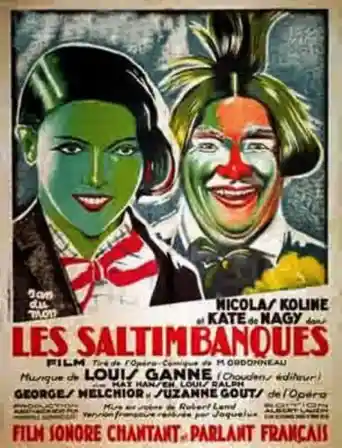
A definitive 7.6/10 rating for a film that redefined the boundaries of cult cinema. Les saltimbanques remains a cornerstone of transgressive art.
Alright, so you're thinking about "Les saltimbanques." This isn't one for a casual Friday night, definitely not. If you love early cinema, those quiet, often sad stories where emotions play out on faces more than in dialogue, then yeah, give it a shot. But if you need explosions or even just a quick pace, you'll probably find yourself checking your watch. 🕰️ It's a slow burn, a real mood piece, for folks who appreciate that kind of thing.
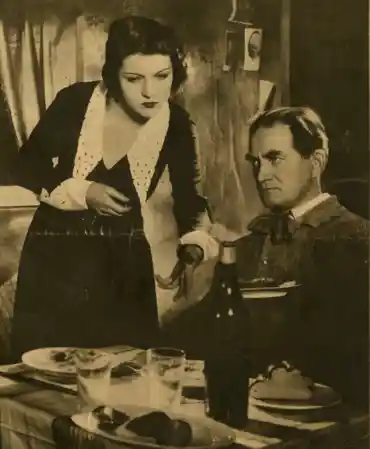
The premise is deceptively simple: an old clown, a young dancer, and a rich guy who shows up. But it’s the way it plays out. The clown, played by Nicolas Koline, he doesn't say much, not really. His whole performance, it's just in his eyes, his slumped shoulders.
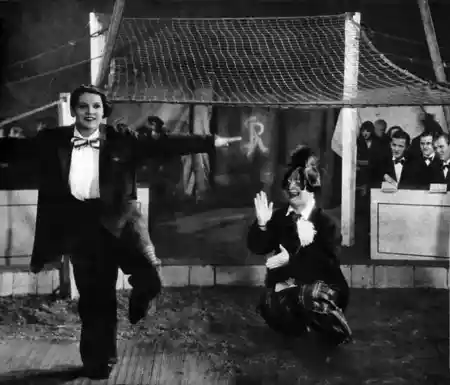
When he’s teaching her, Käthe von Nagy, you see this pure, almost fatherly affection mixed with something deeper. It’s never spoken, but it’s there. And von Nagy as the dancer, she has this bright, almost fragile energy. You get the sense she’s got big dreams, a spark. The way she moves, it’s not just practiced; there’s a genuine joy in it. The camera really seems to like her.
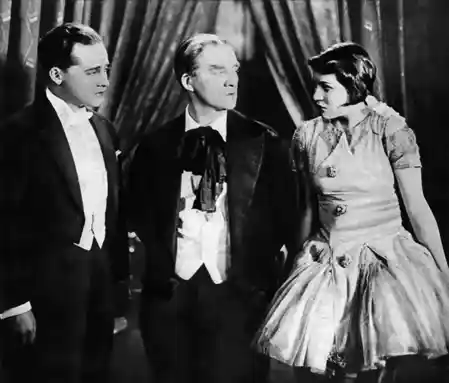
Then Georges Melchior steps in as the rich suitor. He's charming, sure, in that smooth, almost too-easy way. The scene where he first spots her, there's this little smirk that just lingers a bit too long. You know, that kind of guy. It's not a villainous performance, not exactly, but you feel that clash of worlds immediately. His world is all velvet and opportunity; hers is sawdust and hard work.

The heart of the film, it’s the clown’s struggle. There’s a particular scene, just a quick shot, where he watches them together. He’s in the shadows, almost blending into the background. And his expression… it’s not angry, not sad in a dramatic way. It's just this weary acceptance. You can almost feel the weight of his years, all that unspoken love just settling on him. It’s pretty devastating, honestly.
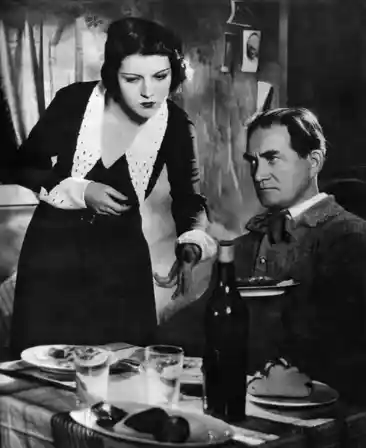
The circus backdrop itself feels less like a vibrant spectacle and more like a dusty, intimate stage for these quiet heartbreaks. There are moments of performance, sure, but they’re not grand. They feel like little vignettes, like snapshots. The sound design, if you can even call it that for a film from this long ago, it really makes you notice the quiet bits between acts, the hollow sound in a big tent.
I kept thinking about the contrast. Her youth, her future, against his past, his devotion. It's never preachy. The film trusts you to see it. There’s no big monologue explaining why he does what he does. It’s all in the subtle glances, the way he holds himself back. That's where the "heroic" part comes in, I guess. It’s not a flashy heroism. It's just a man stepping aside, knowing it’s for the best.
There's a moment when the clown gives her a small, almost insignificant gift. It's not valuable, not like what the rich man could offer. But the way he presents it, with such care, and the way she takes it, almost reverently, before the world pulls her toward something else. That stuck with me. It’s a small detail, but it says a lot about what each man truly offers her.
And the ending? It doesn't tie everything up in a neat bow. It just… resolves. It feels earned, even if it leaves you with a pang. It’s not an unhappy ending, really, but it’s certainly not a "happily ever after" one either. More like a resigned, truthful end to a chapter.
This film, it’s not flashy. It doesn’t try to be profound with big speeches. It just shows you a few people, a difficult situation, and the choices they make. And sometimes, that’s enough. It lingers, you know? Like the faint smell of popcorn and sawdust after the crowd has gone home. 🎪
IMDb —
1918
Community
Log in to comment.