DbcultAccessing Vault...
4.6/10
Senior Film Conservator
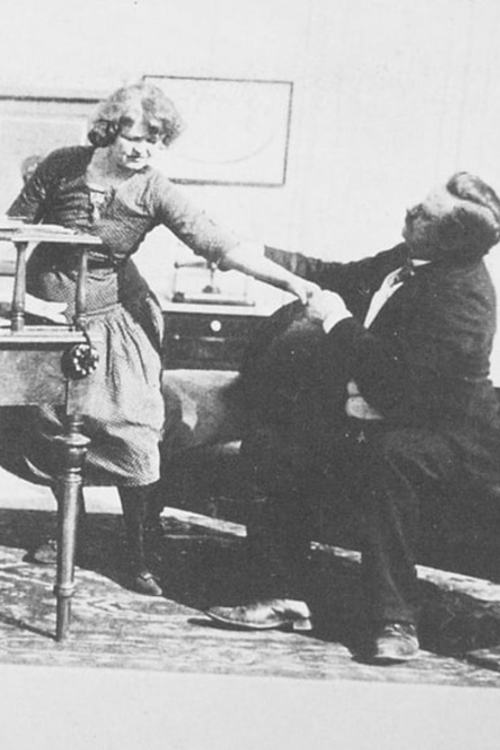
A definitive 4.6/10 rating for a film that redefined the boundaries of cult cinema. Anny - en gatepiges roman remains a cornerstone of transgressive art.
Stepping back into the nascent years of cinema, one encounters a fascinating tapestry of storytelling, a period where the visual narrative was still finding its voice, yet already capable of profound emotional resonance. Among these early cinematic endeavors, Anny - en gatepiges roman emerges as a compelling, if somewhat stark, example of a narrative unafraid to plumb the darker depths of human nature. This 1912 Danish silent film, penned by Adam Eriksen, offers more than just a glimpse into turn-of-the-century morality; it presents a raw, unvarnished character study that resonates even today, challenging our perceptions of ambition, consequence, and the seductive allure of the forbidden.
At its core, Anny - en gatepiges roman is a cautionary tale, a cinematic descent into the moral quagmire faced by its titular protagonist. Anny, portrayed with a captivating blend of vulnerability and cunning by Julie Jansen-Fuhr, begins her journey in the seemingly innocuous setting of a cigar shop. Here, she is merely another face in the bustling urban landscape, a young woman whose prospects appear as limited as her surroundings. However, her beauty and perhaps an underlying, unspoken ambition catch the eye of Willmann, a prosperous wholesaler, brought to life with a suitable air of patriarchal authority by Johan Andersson. This initial encounter sets in motion a chain of events that will irrevocably alter Anny's trajectory.
Willmann, smitten by Anny's charm, offers her a position as his housemaid, a seemingly benevolent act that, in the context of the era, often blurred the lines between employer and employee, particularly for young, unattached women. It's a classic setup for social mobility, albeit one fraught with peril. Predictably, their relationship soon transcends professional boundaries, blossoming into a clandestine affair. This liaison, while offering Anny a temporary reprieve from her previous existence and a taste of affluence, is built on a foundation of deceit and unequal power dynamics. The film, even in its silent form, manages to convey the simmering tension and the transactional nature of this relationship, hinting at the compromises Anny makes for her newfound, albeit precarious, comfort.
Yet, Anny is not content to remain merely a mistress. Her ambition, a silent, burning fire within her, seeks greater spoils. The turning point arrives at a carnival, a vibrant, chaotic backdrop that often symbolizes liberation and hidden desires in early cinema. It is here, amidst the revelry and fleeting excitements, that Anny encounters Willmann's son, a character whose naivety and impressionability are skillfully conveyed by Waldemar Zwinge. This meeting is not one of genuine affection but a calculated strategic maneuver on Anny's part. She sees in the son not a lover, but a key – a means to unlock a far grander fortune than Willmann himself could ever willingly provide.
The subsequent manipulation of Willmann's son is where Anny's character truly reveals its darker facets. She orchestrates a scheme to access Willmann's safe, a brazen act of betrayal against both father and son. This audacious heist, a dramatic crescendo in the narrative, sees them abscond with the family's fortune. The film then plunges into a period of opulent excess, a montage of lavish spending and hedonistic pleasure. Anny and her young accomplice revel in their stolen wealth, indulging every whim, believing themselves immune to consequence. This segment, though brief, serves as a vivid illustration of the intoxicating power of ill-gotten gains and the illusion of invincibility it often fosters.
However, as the title subtly suggests ('en gatepiges roman' translates to 'a street girl's novel' or 'a street girl's story'), Anny's trajectory is destined for a tragic conclusion. The stolen fortune, squandered with reckless abandon, eventually dissipates, leaving her and the son in a state of destitution far worse than their initial circumstances. Anny's journey culminates in a descent into misery, a stark and inevitable consequence of her ruthless choices. The film doesn't shy away from depicting the harsh realities of her fall, showcasing her spiraling into a life of despair and perhaps even further moral compromise. It’s a powerful, if bleak, commentary on the destructive nature of unchecked avarice and the futility of seeking happiness through illicit means.
Beyond its compelling narrative, Anny - en gatepiges roman is a significant artifact of early Danish cinema. Directed and written by Adam Eriksen, it showcases the evolving techniques of silent filmmaking. The performances, particularly Julie Jansen-Fuhr's portrayal of Anny, are remarkably nuanced for the era, relying heavily on expressive physicality and facial gestures to convey complex emotions without the aid of dialogue. The cast, including Gunlaug Lund in a supporting role, contributes to an atmosphere that feels both authentic and melodramatic, a hallmark of many films from this period.
The film's visual language, while rudimentary by modern standards, effectively communicates the shifts in Anny's fortunes. The stark contrast between the dingy cigar shop and Willmann's opulent home, and later, the scenes of lavish spending versus the final moments of destitution, are potent visual metaphors. The use of intertitles, though sparse, is crucial in guiding the audience through the narrative's twists and turns, providing essential context and dialogue surrogates.
Comparing Anny - en gatepiges roman to other films of its time reveals its place within a broader cinematic movement. Its focus on a morally ambiguous female protagonist and themes of social mobility and downfall draws parallels with contemporary European melodramas. One might draw a thematic comparison to the Danish film Vampyrdanserinden (The Vampire Dancer), released just a year prior, which also explored the allure and danger of a powerful, seductive woman, albeit in a more overtly sensationalized manner. Both films capitalize on the nascent 'femme fatale' archetype, captivating audiences with tales of women who defy conventional societal expectations and pay a heavy price.
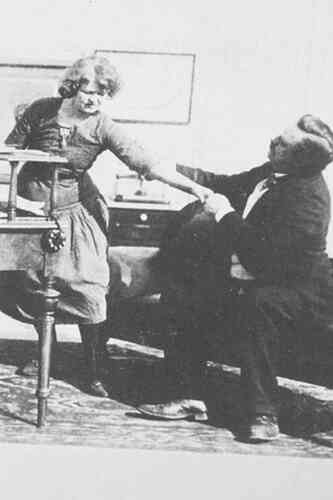
Furthermore, the film's exploration of class struggle and the desperate measures individuals might take to escape poverty echoes sentiments found in literary adaptations like Oliver Twist or Les misérables, even if Anny's path is one of active transgression rather than passive victimhood. While those stories often focused on the systemic injustices, Anny places the onus more squarely on individual choice and its devastating repercussions, a narrative choice that makes it particularly potent.
What makes Anny - en gatepiges roman resonate a century later isn't just its historical significance as an early Danish film, but its timeless portrayal of human flaws. Anny's story is a raw exploration of ambition, greed, and the illusion of control. Her journey from obscurity to temporary affluence and then to utter despair serves as a potent reminder of the cyclical nature of misfortune when fueled by unethical choices. The film, in its stark simplicity, doesn't preach; it merely presents a narrative arc, allowing the audience to draw their own conclusions about Anny's moral failings and the societal pressures that may have contributed to them.
The performances, especially Julie Jansen-Fuhr’s, deserve particular commendation. In an era before synchronized sound, the actors were tasked with conveying entire emotional landscapes through gesture, posture, and facial expression. Jansen-Fuhr’s Anny is a character of complex layers – initially demure, then calculating, briefly triumphant, and ultimately broken. It’s a testament to her skill that even without spoken dialogue, the audience can discern the intricate shifts in Anny’s internal state, from her initial desperation to her fleeting elation and eventual, crushing regret. This kind of expressive acting was crucial to the success of silent films and is a powerful aspect of Anny.
Adam Eriksen's direction, too, is noteworthy. He crafts a narrative that moves with purpose, building tension effectively and delivering a clear, albeit tragic, resolution. The pacing, while different from modern cinema, maintains engagement, drawing the viewer into Anny’s increasingly desperate circumstances. The film's ability to tell such a detailed and emotionally charged story with the limited tools available at the time is genuinely impressive. It’s a masterclass in visual storytelling, where every frame and every action must convey maximum meaning.
While the film doesn't explicitly offer social commentary in the vein of a documentary, its depiction of Anny's plight implicitly critiques the societal structures of the time. The limited opportunities for women, the vulnerability of those from lower classes, and the corrupting influence of wealth are all underlying currents in the narrative. Anny’s choices, while morally reprehensible, can also be viewed through the lens of desperation – a woman seizing what she believes is her only chance at a better life, however misguided her methods.
One might also consider this film alongside other early dramas that delved into the psychological complexities of their characters. For instance, the German film Der Eid des Stephan Huller (The Oath of Stephan Huller) explores themes of moral compromise and reputation, albeit from a male perspective. While different in plot, both films showcase early cinema's burgeoning interest in the internal lives of individuals and the consequences of their actions within a societal framework.
The final act of Anny - en gatepiges roman is particularly poignant. Anny's descent into misery is not merely a plot device but a profound exploration of retribution. The fleeting joy derived from stolen riches is contrasted sharply with the profound emptiness that follows, leaving Anny to confront the bitter harvest of her own making. It’s a tragic, yet ultimately just, conclusion that serves as a powerful moral anchor for the entire narrative. The film, in this sense, acts as a moral fable, warning against the siren call of easy money and the destructive path of betrayal.
In conclusion, Anny - en gatepiges roman stands as more than just a historical curiosity. It is a testament to the power of early cinema to craft compelling narratives, explore complex characters, and deliver potent moral lessons. Its detailed portrayal of Anny’s rise and precipitous fall, brought to life by a dedicated cast and thoughtful direction, ensures its place as a significant, albeit often overlooked, piece of cinematic history. For those interested in the evolution of storytelling on screen, and particularly the development of character-driven drama in the silent era, this film offers a rich and rewarding viewing experience. It reminds us that even in its earliest forms, cinema was capable of plumbing the depths of the human condition with remarkable insight and artistry, leaving an indelible mark on its audience.
The narrative arc, from the tantalizing promise of escape to the crushing weight of consequence, is universal. While the societal context has changed, the human frailties and ambitions depicted in Anny remain strikingly relevant. It's a stark reminder that some stories, particularly those concerning morality and human choice, transcend the limitations of their technological origins and continue to speak to new generations. A true gem from the silent era, deserving of renewed attention and appreciation.
IMDb —
1925
Community
Log in to comment.