DbcultAccessing Vault...
Cult Review
Senior Film Conservator
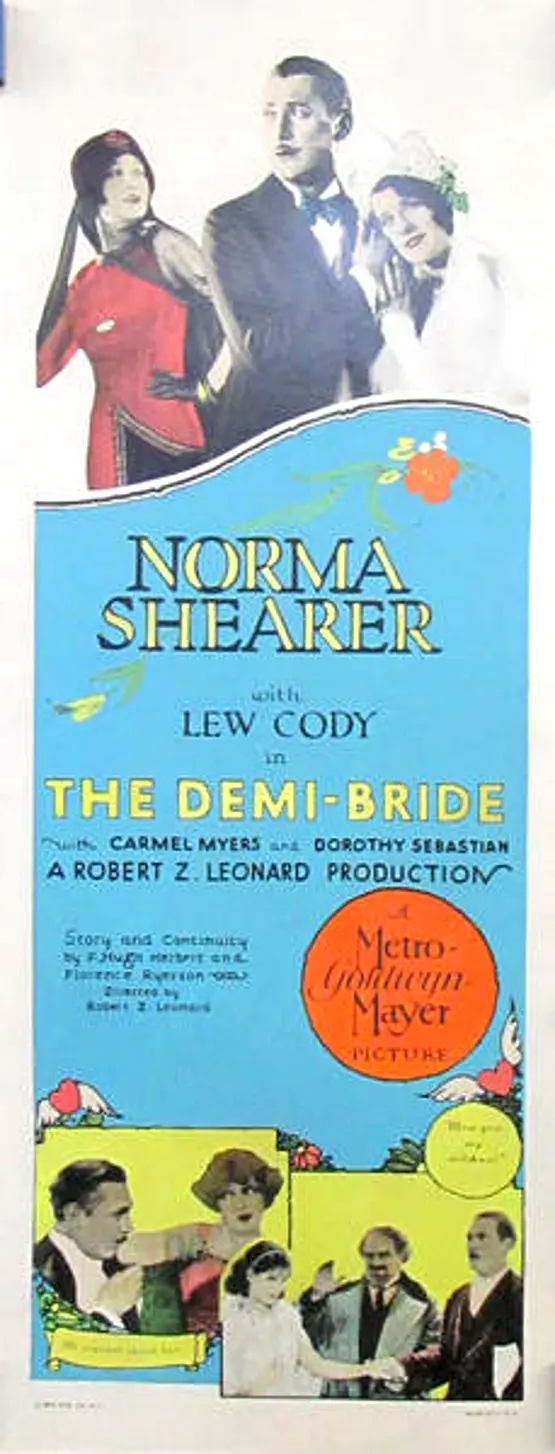
Is The Demi-Bride worth watching today? Short answer: yes, but with significant caveats that demand a particular appreciation for the silent era's unique charms and narrative rhythms. This film is a fascinating historical artifact for silent cinema enthusiasts and Norma Shearer fans, offering a glimpse into early Hollywood's comedic sensibilities and the blossoming stardom of one of its most elegant figures. However, those new to the silent era or seeking modern pacing will likely find its charms elusive, requiring a willingness to adjust expectations for a different kind of storytelling.
At its heart, The Demi-Bride is a quintessential romantic comedy of its time, a vehicle designed to showcase the effervescent talent of Norma Shearer, who, even in this relatively early stage of her career, possessed an undeniable magnetic screen presence. The film, like many from the period, crafts a narrative around light-hearted romantic entanglement and social maneuvering, providing a window into the courtship rituals and humorous dilemmas faced by young women in the roaring twenties. It's a film that asks its audience to lean into its period-specific humor and appreciate the nuances of non-verbal performance.
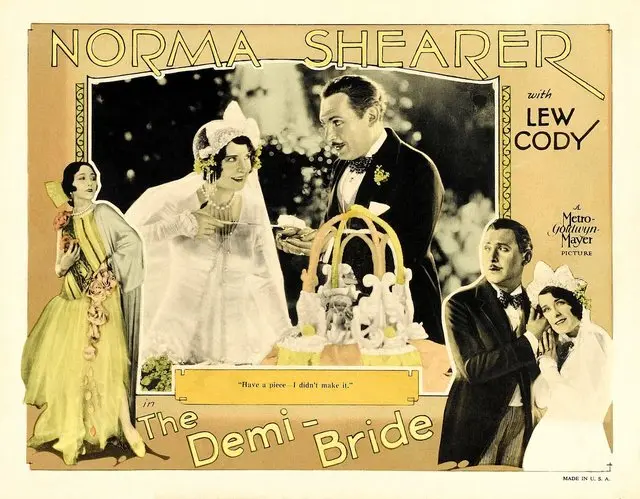
The cinematic landscape of 1927 was a fascinating transition point, with the 'talkies' just on the horizon, yet silent films like The Demi-Bride still commanded significant attention. This particular feature, starring the luminous Norma Shearer and the always-charming Lew Cody, leans heavily into the romantic comedy genre, a staple of the era. The plot, as far as it can be gleaned from its period context and the title, appears to be a delightful tangle of misunderstandings and near-misses on the path to true love, a common and effective trope for silent comedies.
Shearer, already a rising star, brings a vivacious energy to her character, a young woman who, by the film's title, is perhaps hesitant or playfully resistant to the conventional path of matrimony. Her interactions with Cody, often cast as the suave, slightly roguish suitor, would undoubtedly form the comedic backbone, relying on expressive glances, exaggerated gestures, and the well-timed use of intertitles to convey wit and emotion. The film's charm lies in its ability to take a familiar premise and infuse it with the unique visual language of silent cinema.
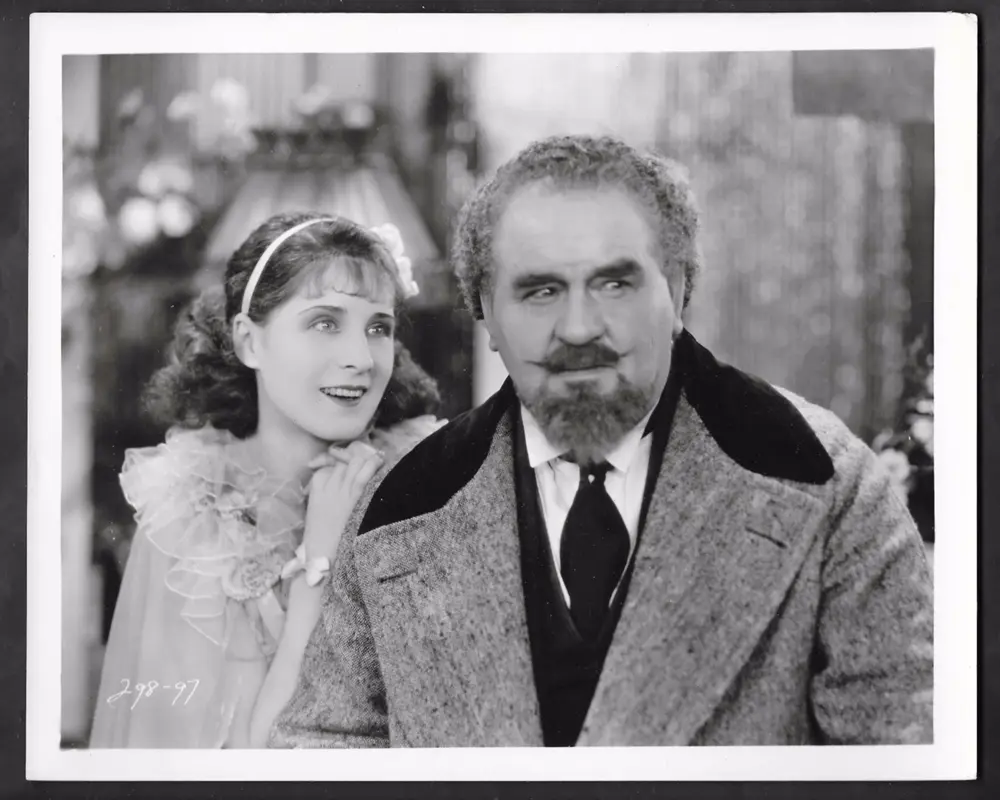
This film works because of its stellar lead performance and a surprisingly forward-thinking comedic tone for its era. This film fails because its narrative structure often meanders, and some comedic beats feel dated, even for silent film. You should watch it if you appreciate the artistry of silent cinema, are curious about Norma Shearer's early career, or enjoy light, character-driven romantic comedies with a historical lens.
Norma Shearer, even in The Demi-Bride, demonstrates why she became one of Hollywood’s most enduring stars. Her performance is a masterclass in silent acting, relying on an expressive face and nuanced body language to convey a spectrum of emotions, from playful defiance to burgeoning affection. There's a particular scene, or rather, a series of expressions, where her character navigates an awkward social encounter, perhaps involving a misguided proposal. Shearer's eyes alone communicate amusement, embarrassment, and a hint of strategic calculation, all without a single spoken word. This isn't broad, slapstick comedy, but something more refined, a precursor to the sophisticated wit she'd later master in sound films.
Lew Cody, as her romantic foil, complements Shearer's energy with a more understated, yet equally effective, performance. Cody often played characters with a charming world-weariness or a sly comedic edge, and here, he likely embodies the 'demi-groom' to Shearer's 'demi-bride,' navigating the romantic battlefield with a mixture of earnestness and calculated charm. Their chemistry, built on visual cues and physical proximity, is palpable, creating a believable dynamic that anchors the film’s comedic premise. The supporting cast, including Nora Cecil and Lionel Belmore, add texture and additional comedic relief, embodying the societal pressures and eccentricities that often surround the main romantic pair in films of this ilk.
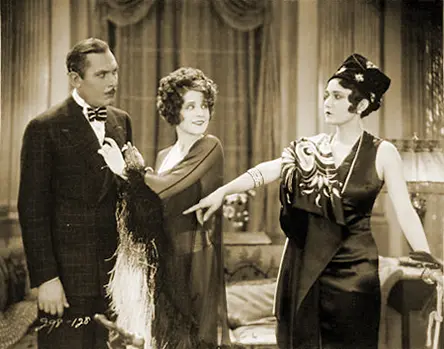
One could argue that The Demi-Bride is arguably more significant as a star vehicle for Norma Shearer than a standalone comedic masterpiece. It’s a showcase of her developing range, her ability to command the screen with a subtle intensity that many of her contemporaries struggled to achieve. While not reaching the innovative heights of something like Rhythmus 23 in experimental form, it still holds its own as a testament to the power of a charismatic lead.
The direction of The Demi-Bride, typical of many studio productions of the era, prioritizes clear storytelling and effective character presentation. The camera work, while not overtly experimental, is competent, employing a mix of medium shots to capture dialogue (via intertitles) and close-ups to emphasize facial expressions and key emotional beats. This balance ensures that the audience is always connected to the characters' inner worlds, a crucial element for silent cinema where the actors' faces are the primary conveyors of narrative.
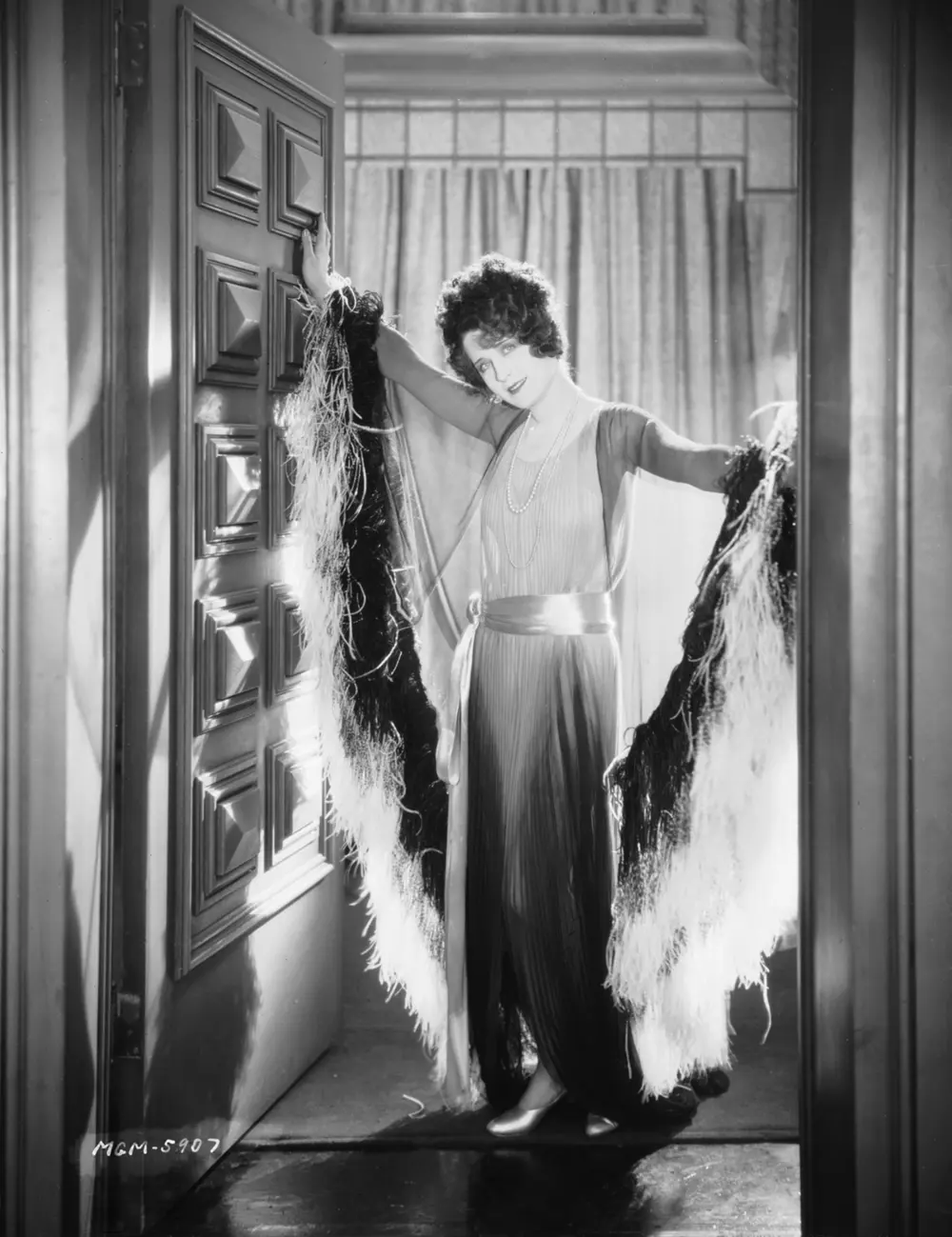
The pacing, a frequent point of contention for modern viewers of silent films, is deliberate. It allows moments to breathe, giving the audience time to absorb the visual information and the emotional weight of each scene. While some might find it slow compared to contemporary cinema, it’s a rhythm that rewards patience. The comedic timing, particularly in scenes involving physical gags or quick-fire visual reactions, demonstrates a keen understanding of silent film humor. For instance, a sequence where a character accidentally spills a drink or trips over a rug isn't just a random act; it's meticulously choreographed for maximum comedic impact, often followed by a perfectly timed reaction shot from Shearer or Cody.
The production design and cinematography further immerse the viewer in the world of the 1920s. Elegant sets, fashionable costumes, and carefully crafted lighting create an atmosphere of sophisticated romance, even amidst the comedic chaos. The use of soft lighting to highlight Shearer's features is particularly noteworthy, a common technique of the era to enhance a star's glamour. While charming, the film’s reliance on physical comedy, a hallmark of the era, occasionally feels less inspired than some of its peers, like the more slapstick brilliance found in a Chaplin short or the intricate gags of Buster Keaton, or even the more adventurous narratives of films like The Midnight Guest.
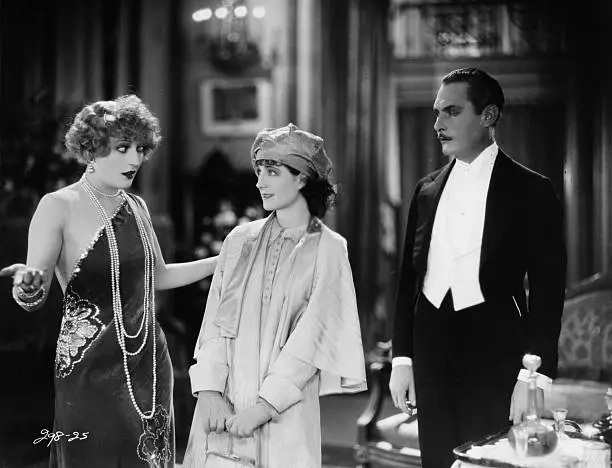
Absolutely, if you approach it with the right mindset. This film is not a modern blockbuster. It is a product of its time. Flawed, yet undeniably charming. It offers a unique window into the past.
It serves as an excellent example of a well-crafted silent romantic comedy. For those interested in film history, it's a valuable piece. It showcases the early brilliance of Norma Shearer. It's also a good entry point for beginners to silent cinema, as its romantic comedy genre is universally appealing.
However, it is not for everyone. If you struggle with the lack of dialogue, or if you demand fast-paced narratives, this film might test your patience. Its humor is subtle, often visual, and reflective of a different era. Do not expect rapid-fire jokes or complex plot twists.
The Demi-Bride is more than just a relic; it’s a vibrant, if sometimes understated, piece of cinematic history that deserves to be seen, particularly by those with an affinity for the silent era. Norma Shearer's performance alone is worth the price of admission (or the click of a button), showcasing a talent that was destined for legendary status. Her ability to convey complex emotions and sparkling wit through expression and gesture is simply captivating. This isn't a film that will redefine your understanding of cinema, nor does it aim to. It’s a delightful, well-executed romantic comedy that stands as a testament to the enduring power of star presence and clever visual storytelling.
While its pacing and some comedic sensibilities might require a degree of adjustment for the uninitiated, the film’s genuine charm and Shearer’s effervescent performance overcome these hurdles. It’s a gentle reminder of the elegance and ingenuity of early Hollywood, offering a pleasant escape into a bygone era of romance and laughter. For those seeking a deeper dive into the career of Norma Shearer or the nuances of 1920s romantic comedies, The Demi-Bride is an essential, albeit imperfect, watch. It’s certainly more engaging than some of the more forgettable entries of its time, such as The Cost, and offers a more focused narrative than some of the broader, less character-driven films.
In conclusion, The Demi-Bride may not boast the revolutionary techniques of a Rhythmus 23 or the grand epic scale of other silent productions, but it excels in its chosen niche. It’s a testament to the fact that compelling storytelling and captivating performances transcend the need for dialogue. It is a quiet triumph for its star and a pleasant journey for its audience, provided they are willing to meet it on its own terms. Go in with an open mind, and you'll find a charming, historically significant film that still manages to elicit smiles and a certain appreciation for the art of silent film.
IMDb —
1920
Community
Log in to comment.