
DbcultAccessing Vault...
Cult Review
Senior Film Conservator
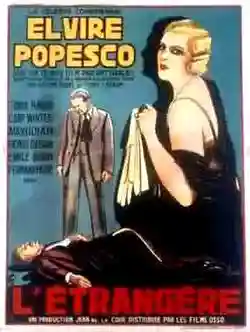
If you like your dramas served with a side of 1930s stiff upper lip and people talking in rooms that look like museums, you might dig L'étrangère. It’s definitely not for anyone who needs a movie to keep a consistent pace or for viewers who get annoyed by characters who make decisions that would land them in jail immediately in the real world.
It’s weird. That’s the first word that came to mind when the bride just vanishes after lunch. One minute they’re eating fancy food, and the next, she’s gone like a ghost. The groom acts surprised, but honestly, nobody in these high-society circles seems that broken up about anything.
Elvire Popesco is playing this character who is clearly bored out of her mind. When she finally shows up in the park to explain herself, she doesn’t even sound guilty. She sounds like she’s reading a grocery list. “I needed the cash for revenge,” she says, basically. It’s kind of refreshing how little she cares about his feelings.
The whole thing feels like it’s moving through molasses sometimes. There’s a lot of standing around in evening wear. You can almost hear the floorboards creaking while they wait for the next line of dialogue. It’s got that same dusty, stage-play energy you see in something like Madame Du Barry, where the sets feel more important than the actual people walking through them.
I found myself staring at the background furniture more than the actors. The way the light hits the crystal glasses in the wedding scene is actually kind of nice. It’s the little things, I guess.
It’s not a masterpiece, and it’s not really trying to be. It’s just a weird little story about a woman who used a marriage license like a credit card. If you’ve seen Why Women Remarry, you might recognize the same kind of cynicism buried under the fancy clothes. Except here, the cynicism is the whole point. It’s blunt. It’s strange. And it ends just as abruptly as it starts. 🤷♂️
IMDb —
1927