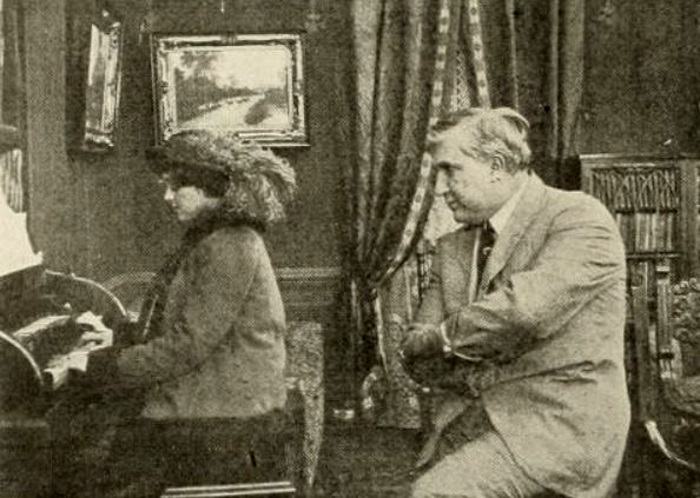
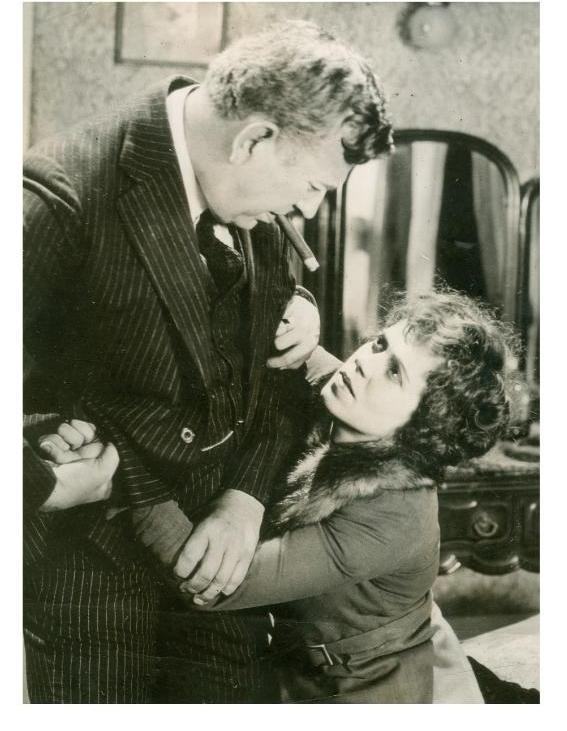
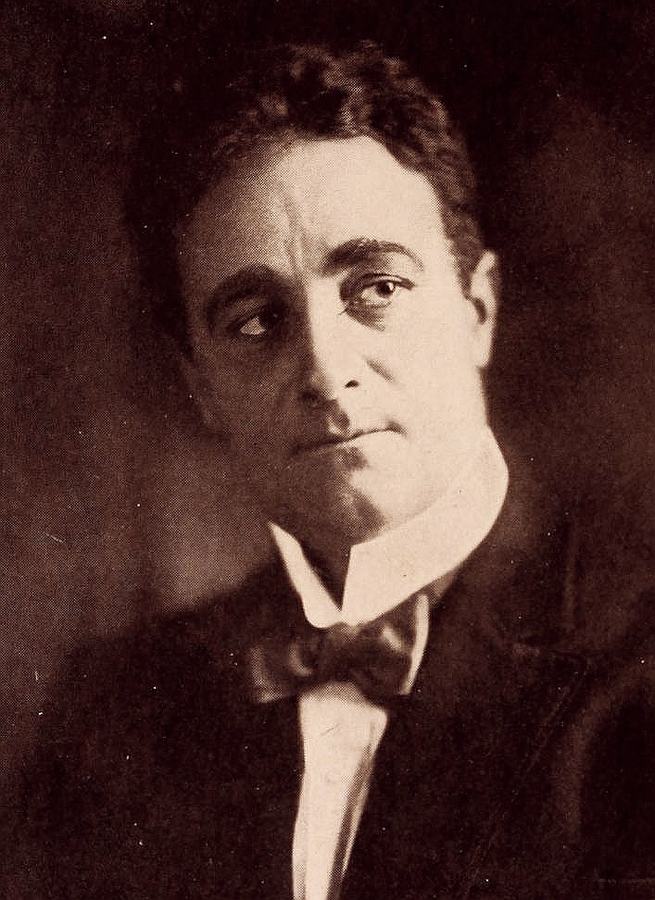
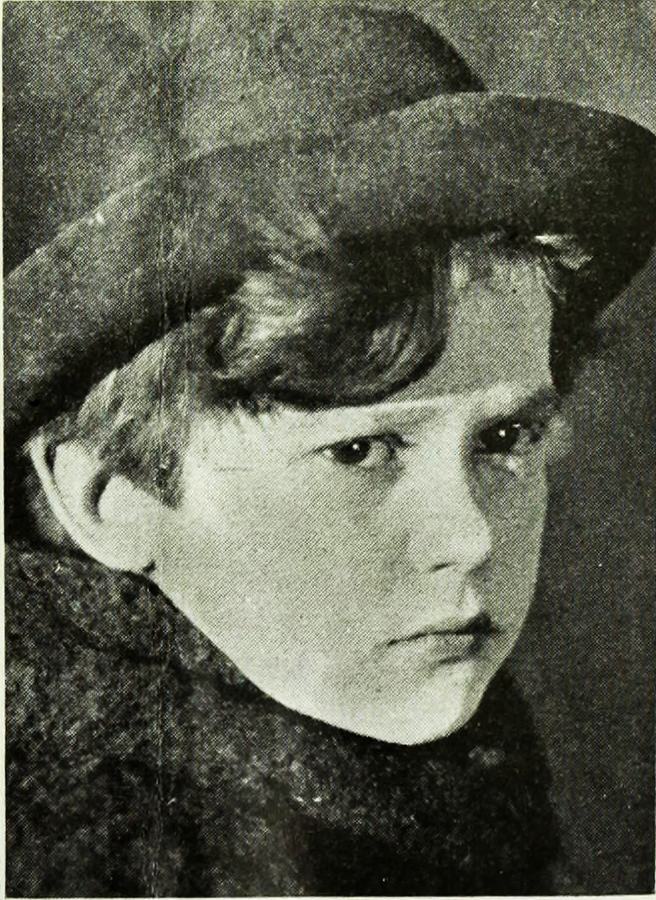
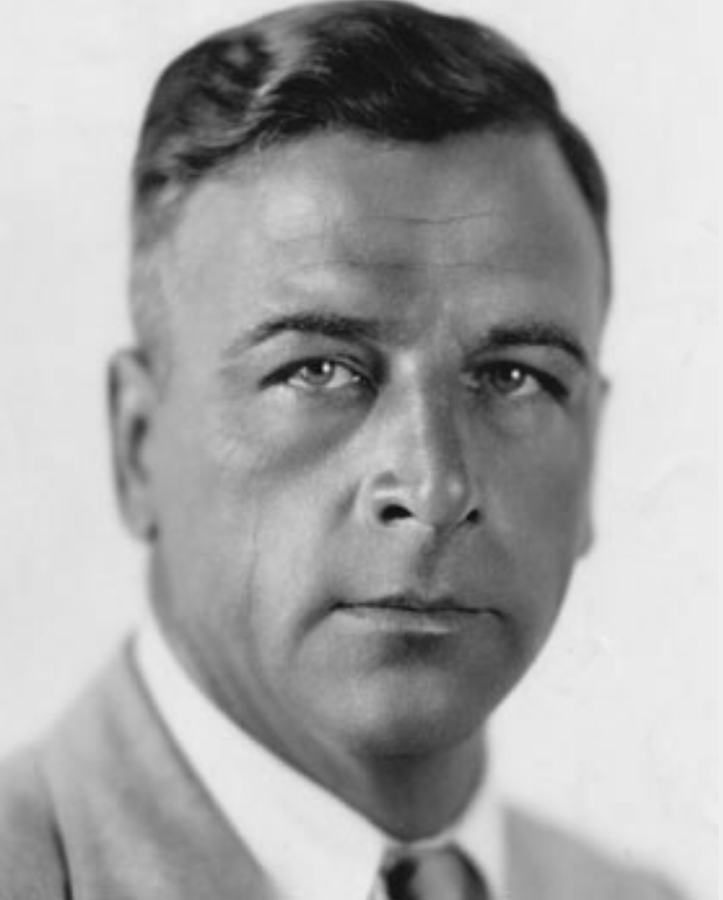
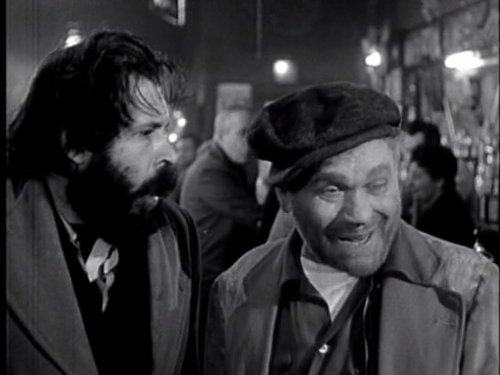
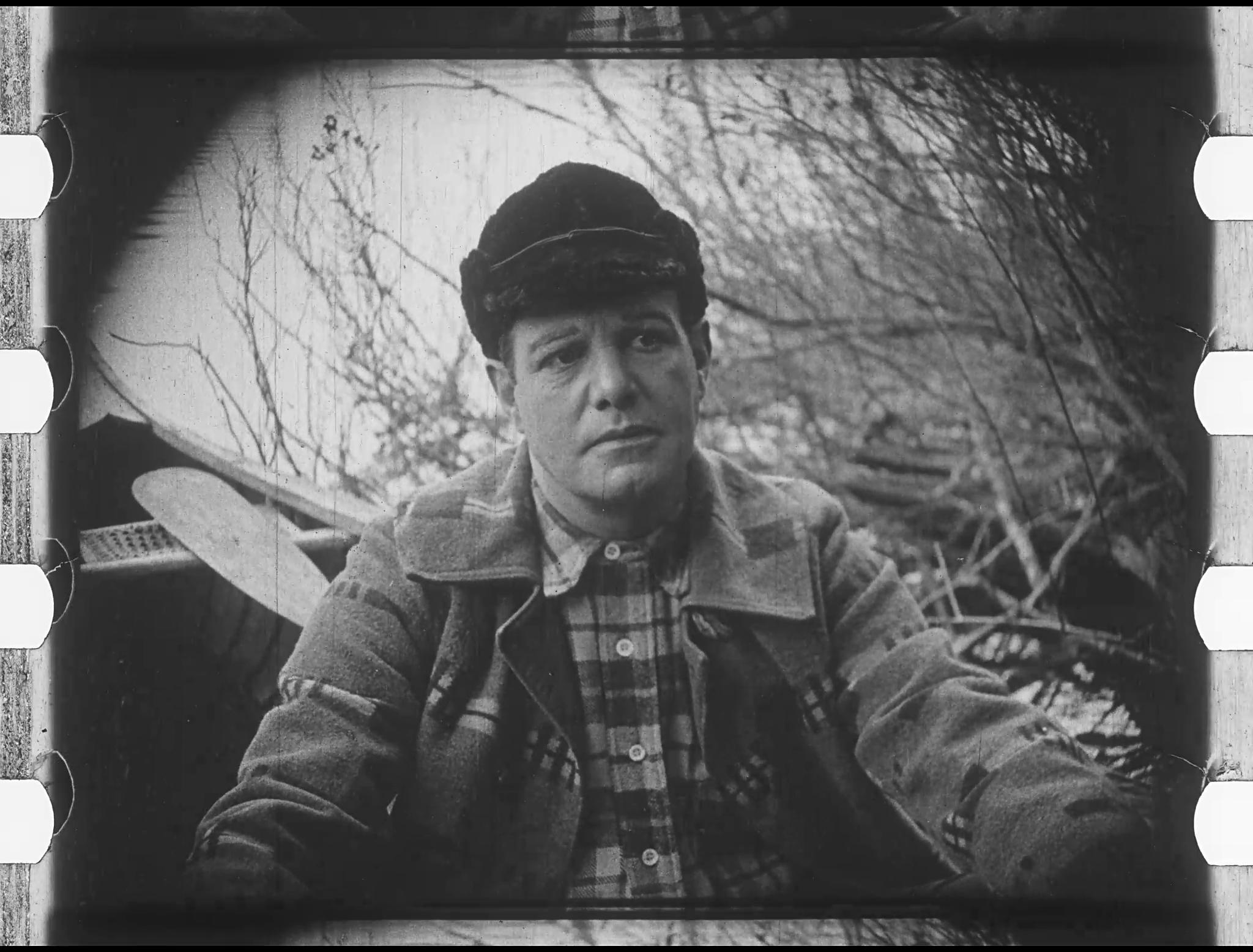
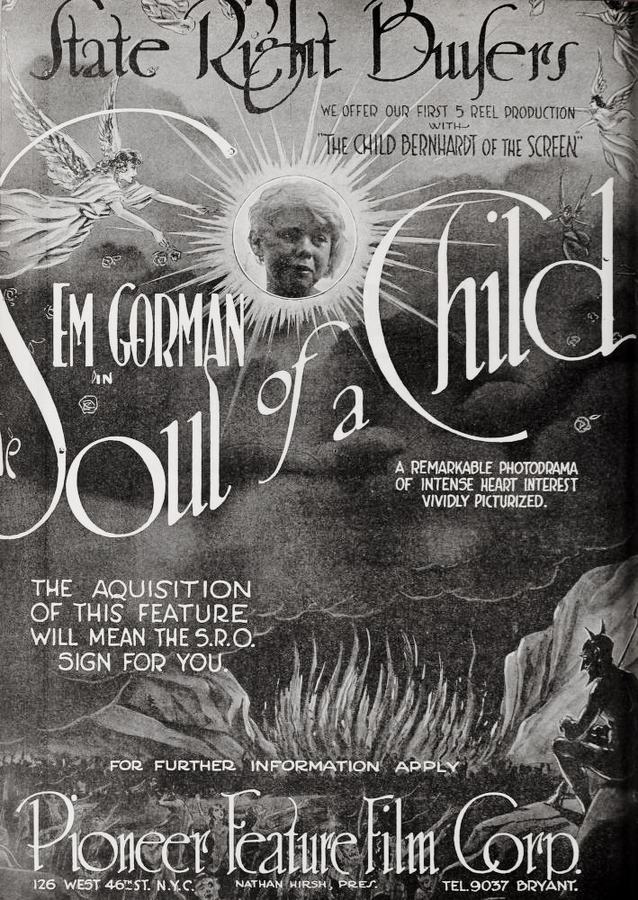
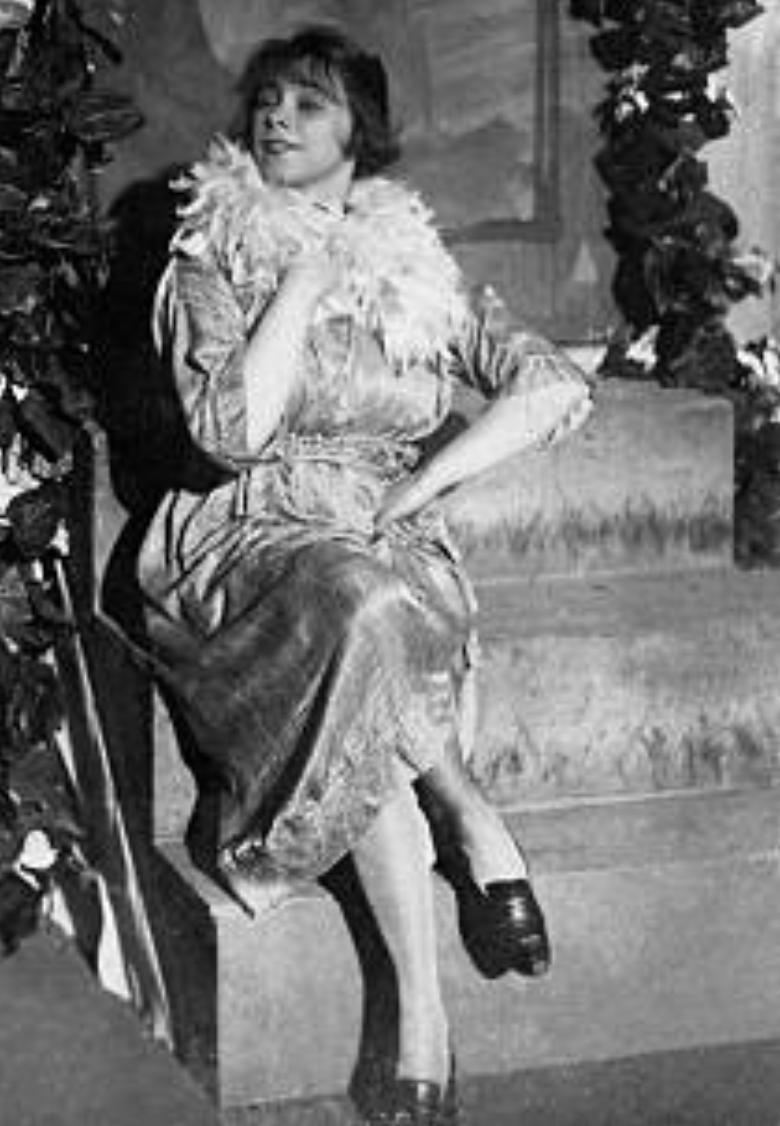
Martin Talbot, a gambler who mistreats and neglects his family, is killed by Tuck McKinnon, but the blame falls on Don Compton, who holds a grudge against the victim and is found with the murder weapon. Policeman Dan Hannon eventually solves the crime while taking an interest in Mary Talbot and her children.
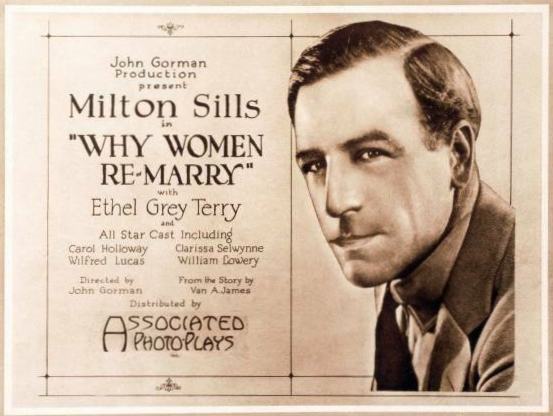
The year 1923 stood as a pivotal juncture in the evolution of American silent cinema, a period where the medium began to shed its stage-bound origins in favor of a more nuanced, psychologically driven visual language. Why Women Remarry emerges from this era not merely as a moralistic fable, but as a surprisingly gritty...
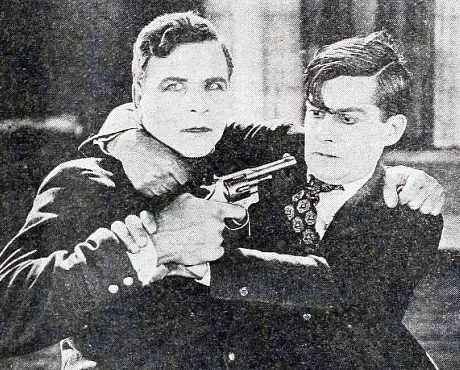
still_frame
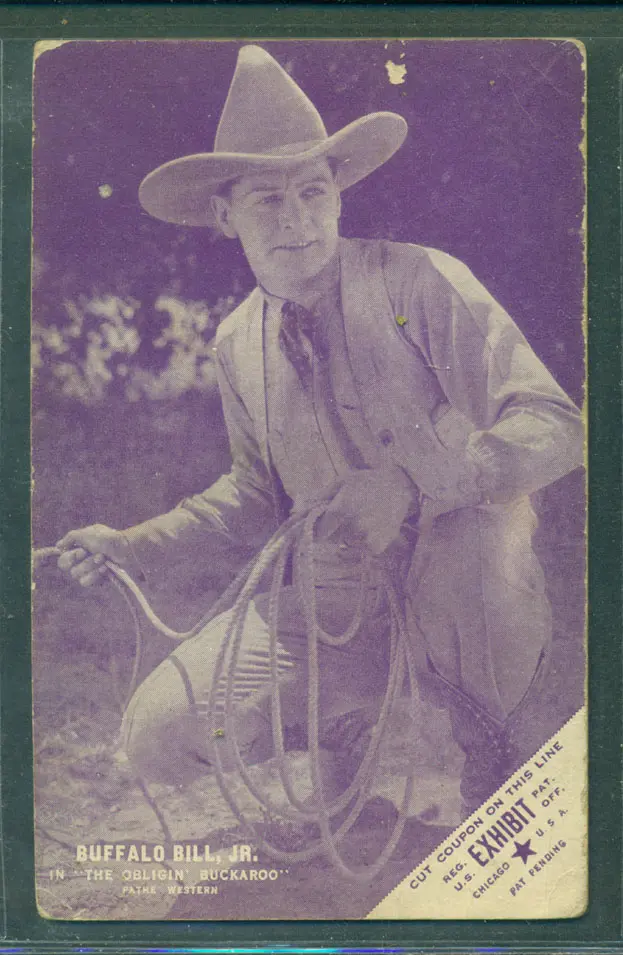
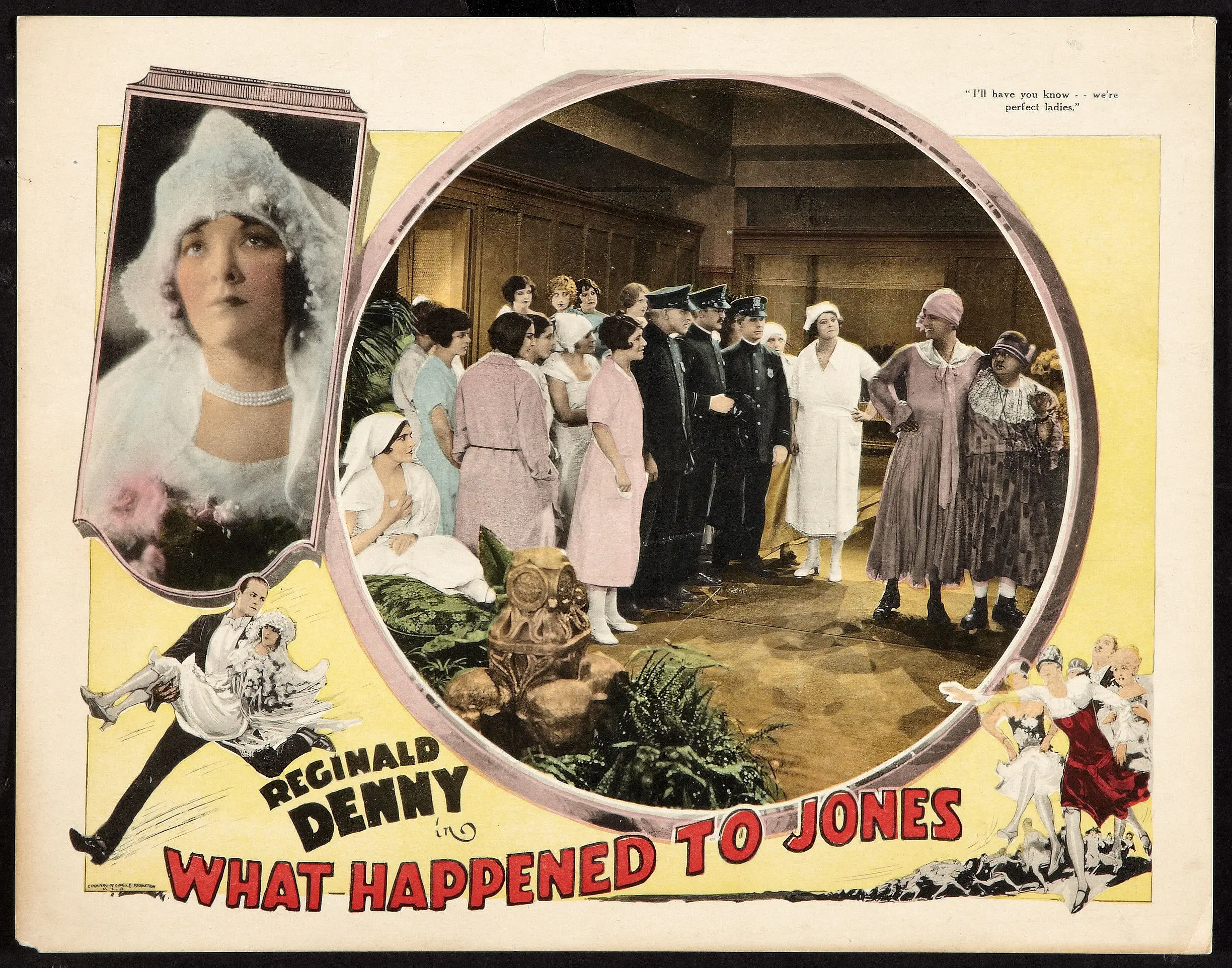
Comparing the cinematic DNA and archive impact of two defining moments in cult history.
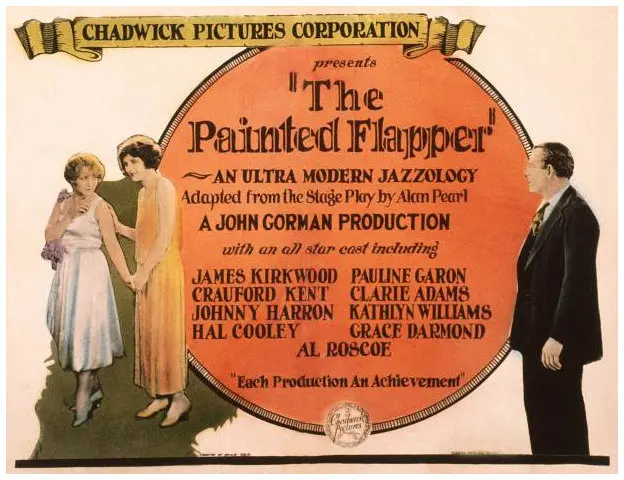
John Gorman
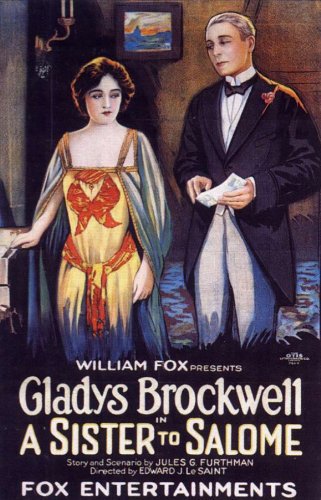
Edward LeSaint
Community
Log in to comment.
"The year 1923 stood as a pivotal juncture in the evolution of American silent cinema, a period where the medium began to shed its stage-bound origins in favor of a more nuanced, psychologically driven visual language. Why Women Remarry emerges from this era not merely as a moralistic fable, but as a surprisingly gritty examination of the fragility of the nuclear family and the social imperatives that drive women toward second chances. Directed with a keen eye for domestic tension, the film navig..."
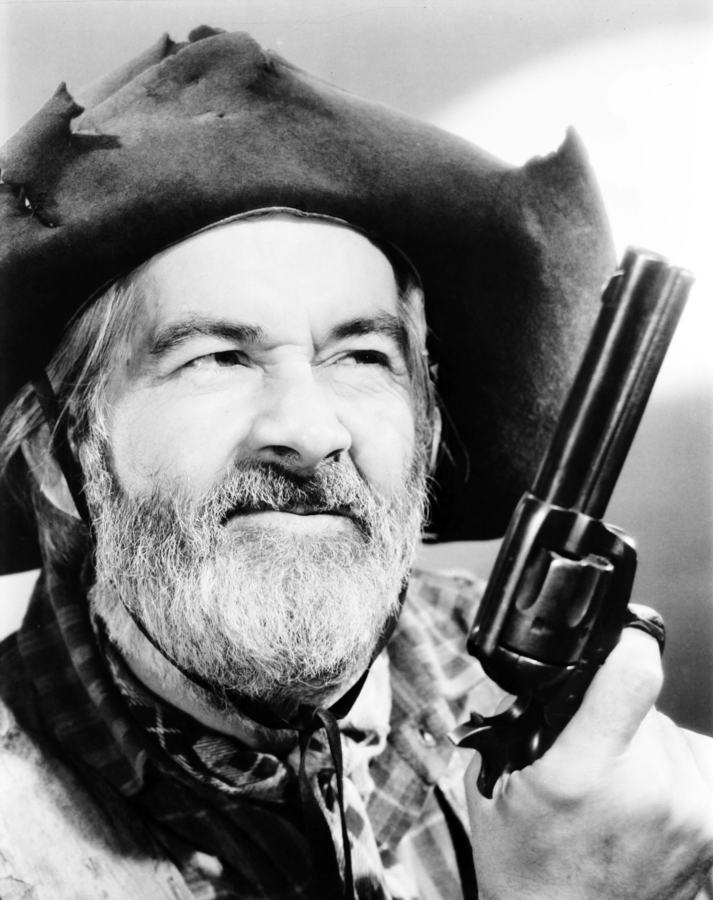
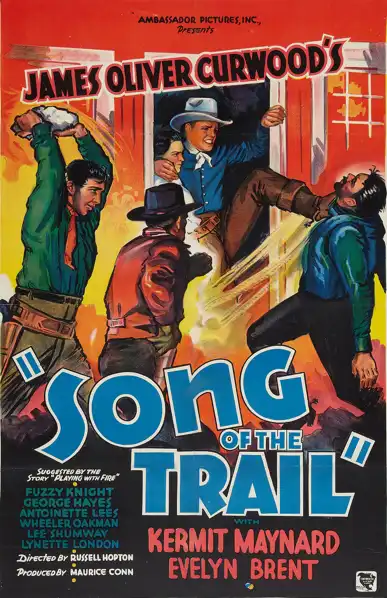
George 'Gabby' Hayes
Van A. James
United States
Deep dive into the cult classic
Discover similar cinematic experiences
A Directorial Spotlight on John Gorman