DbcultAccessing Vault...
Cult Review
Senior Film Conservator
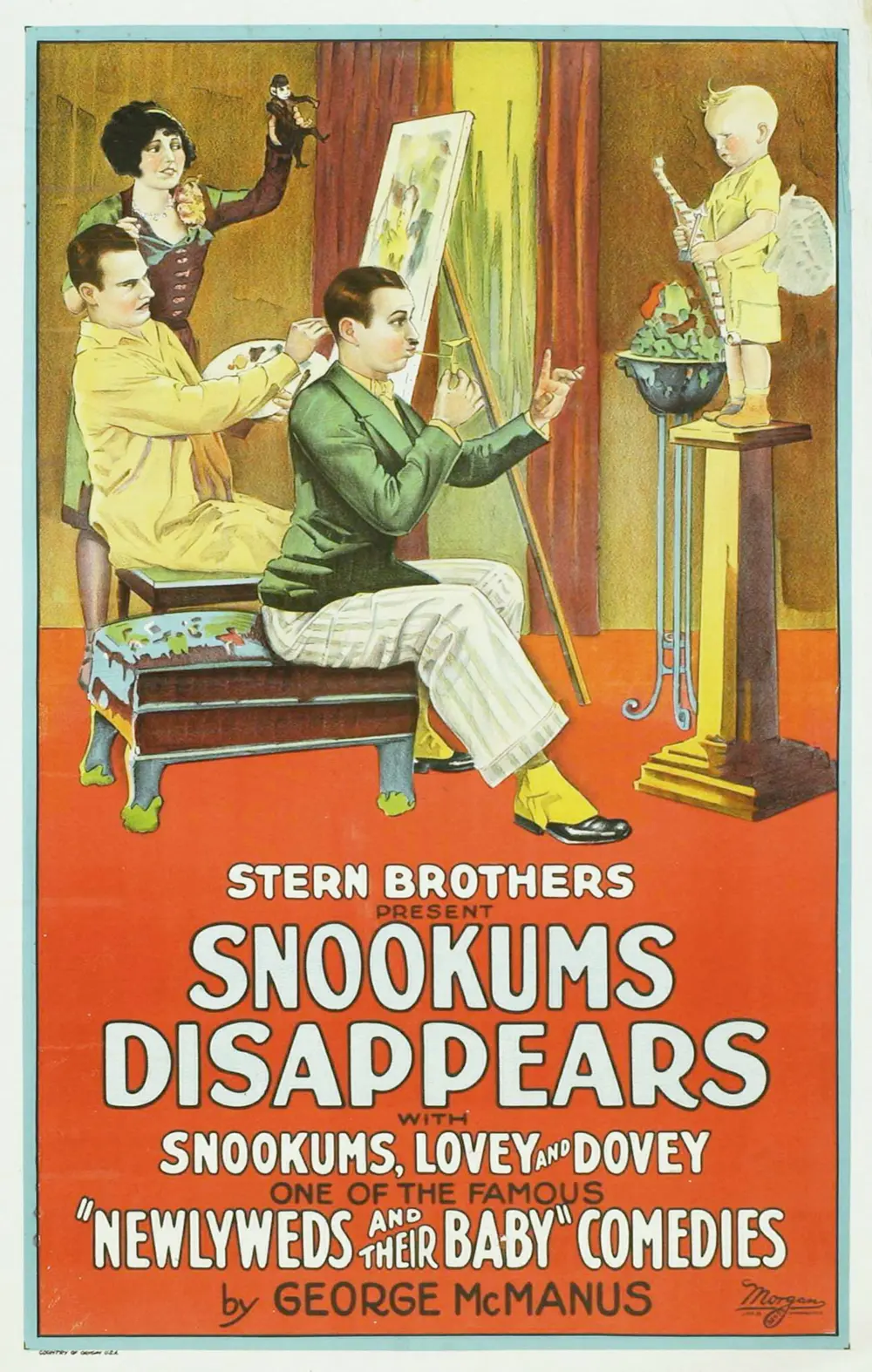
Can a silent-era short, perhaps one of the thousands lost to time or obscurity, still resonate with a modern audience? The short answer for 'Snookums Disappears' is yes, but with significant caveats, primarily for those with a keen interest in film history or the foundational elements of slapstick comedy.
This film is undeniably a product of its time, a fleeting glimpse into the comedic sensibilities of the late 1920s. It’s a curiosity, an artifact, rather than a timeless narrative masterwork. It speaks volumes about the evolution of humor on screen.
This film is for dedicated cinephiles, students of silent cinema, and anyone who appreciates the raw, unpolished charm of early Hollywood. It is NOT for viewers seeking a sophisticated plot, deep character development, or modern comedic pacing. If your cinematic diet consists solely of CGI spectacles and intricate narratives, 'Snookums Disappears' will likely feel like a quaint, perhaps even tedious, relic.
In the vast, often-forgotten archives of early cinema, 'Snookums Disappears' emerges as a delightful, if slight, example of the era's prevalent comedic shorts. Directed by Al Martin and penned with George McManus, this film, like many of its contemporaries, was designed for immediate consumption, a quick laugh before the main feature or as part of a varied program. It’s a testament to the sheer volume of content produced during the silent era, where brevity often dictated narrative and production values.
The film’s plot, centered around the vanishing of a beloved pet and the subsequent comedic search, is a classic setup for the period. It allows for a rapid succession of gags and physical comedy without requiring extensive exposition or character arcs. This structural simplicity is both its strength and its limitation. It works because it gets straight to the point, delivering visual humor efficiently. But it’s flawed by its inherent lack of lasting emotional impact.
The reliance on physical gags and exaggerated reactions, a hallmark of silent comedy, is on full display here. Syd Saylor, in particular, carries much of the film’s comedic weight through his expressive physicality. His performance, while broad, is effective in conveying the escalating panic and frustration of his character, a man utterly out of his depth in a seemingly simple task.
The cast of 'Snookums Disappears' operates within the distinct parameters of silent film acting, where gestures, facial expressions, and physical comedy speak louder than any intertitle could. Their ability to convey emotion and drive the narrative without dialogue is the cornerstone of their craft, and in this film, they mostly succeed.
Syd Saylor, a prolific character actor of the era, is the comedic engine of 'Snookums Disappears.' His portrayal of the bumbling suitor is archetypal. Saylor's strength lies in his masterful use of physical comedy. From tripping over his own feet to exaggerated double-takes, he embodies a kind of well-meaning incompetence that is genuinely amusing. There's a particularly memorable sequence where he attempts to scale a fence, only to become entangled in a series of garden tools – a moment that, while predictable, elicits a genuine chuckle due to Saylor's commitment to the bit. He isn't a subtle performer, but subtlety wasn't the goal here; effective, broad humor was.
Ethlyne Clair, often cast as the ingenue or leading lady, brings a necessary anchor of emotional distress to the escalating chaos. Her performance, while less overtly comedic than Saylor's, is crucial. She provides the motivation for the entire frantic search, her wide-eyed anxiety over Snookums' disappearance grounding the farce in a relatable, if exaggerated, concern. Her reactions to Saylor's escalating mishaps are priceless, a blend of exasperation and continued hope. Clair’s ability to convey genuine worry through her expressions, especially in the scene where she tearfully consults a 'pet psychic' (a common trope of the time, here played for laughs), is a testament to her skill in a medium devoid of spoken words.
Sunny Jim McKeen, with his distinctive look and often quirky characterizations, adds another layer of eccentricity. His role, though perhaps smaller than the leads, is impactful. He often portrays characters who are either inadvertently helpful or actively disruptive, and in 'Snookums Disappears,' he plays a peculiar neighbor whose 'assistance' only adds to the confusion. His brief appearance as a man meticulously pruning a single rose bush while chaos erupts around him provides a surprising moment of surreal humor, a small but effective counterpoint to the central frantic search. It's an unconventional observation, how a minor character can steal a scene by doing almost nothing but being utterly oblivious.
Al Martin's direction for 'Snookums Disappears' is competent, if not groundbreaking. He understands the mechanics of silent comedy, focusing on clear sightlines for gags and maintaining a brisk pace. The film rarely drags, moving swiftly from one comedic setup to the next, which is essential for a short feature designed to entertain quickly.
The cinematography, typical of the era, is straightforward. Medium shots dominate, ensuring that both the actors' expressions and their physical antics are clearly visible. There are no elaborate tracking shots or innovative camera angles; the focus is purely on capturing the performance. This simplicity, however, has its own charm, allowing the viewer to concentrate on the comedic timing and character reactions.
Pacing is key in silent shorts, and 'Snookums Disappears' maintains a lively rhythm. The film builds its comedic tension through accumulation, with each failed attempt to find Snookums adding to the protagonist's growing despair and the audience's amusement. The quick cuts between Saylor's frantic search and Clair's anxious waiting effectively convey the dual perspectives of the unfolding chaos.
The tone is lighthearted and overtly comedic, never venturing into genuine peril despite the 'disappearance' at its core. The gags are largely physical and rely on classic comedic tropes: mistaken identities, slapstick falls, and absurd coincidences. While some gags might feel dated to a modern eye, others possess a timeless quality, reminding us of the universal appeal of physical humor. For instance, a scene involving Saylor accidentally swapping Snookums with another identical dog, only to realize his mistake through a peculiar collar, is a simple but effective comedic beat.
While 'Snookums Disappears' may not possess the grand narrative scope of a feature film like The Shuttle or the dramatic intensity of The Eternal Grind, it holds a unique place in the tapestry of early cinema. It’s a foundational piece, demonstrating the building blocks of screen comedy.
It also offers a fascinating glimpse into the cultural anxieties and domestic life of the period. The importance placed on a pet, the community's involvement in a trivial matter, and the reliance on neighborhood characters for both help and hindrance, paint a picture of a bygone era. It's more than just a series of gags; it's a cultural snapshot.
This film works because it efficiently delivers on its promise of lighthearted, physical comedy through committed performances. It fails because its narrative simplicity and reliance on broad gags prevent it from achieving any profound or lasting impact beyond its runtime. You should watch it if you are a film historian, an enthusiast of silent cinema, or someone curious about the origins of screen humor and the early careers of its stars.
‘Snookums Disappears’ is a charming, if minor, entry in the vast catalog of silent-era comedies. It serves as a valuable historical document, showcasing the talents of its lead actors and the prevalent comedic styles of its time. While it won't redefine your understanding of cinema or leave a lasting emotional imprint, it offers a pleasant diversion and a fascinating glimpse into the formative years of screen entertainment.
For those willing to engage with its historical context and appreciate its unpretentious humor, there’s genuine enjoyment to be found. It’s a film that reminds us that sometimes, the simplest stories, told with earnest enthusiasm, are all that’s needed to bring a smile. It works. But it’s flawed. Ultimately, its greatest value lies not in its narrative brilliance, but in its ability to transport us back to a different cinematic age, one where a missing dog could spark an entire reel of delightful chaos. Don't go in expecting a revelation, but rather a respectful nod to the comedic pioneers who laid the groundwork for everything that followed.
IMDb 3.6
1936
Community
Log in to comment.