DbcultAccessing Vault...
3.7/10
Senior Film Conservator
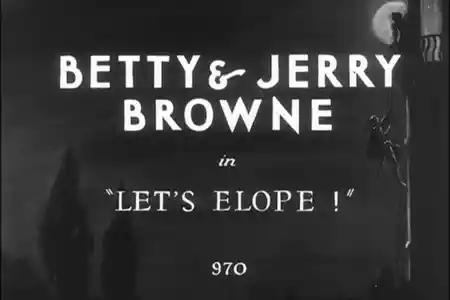
A definitive 3.7/10 rating for a film that redefined the boundaries of cult cinema. Let's Elope! remains a cornerstone of transgressive art.
Alright, so if you're someone who *really* loves digging into old films, especially the early talkies, then Let's Elope! might be a quick, interesting little peek. For everyone else? Probably skip it. It's got that undeniable 1930s charm, but also all the quirks that come with it, which could feel like a real slog if you're not in the mood for film history.
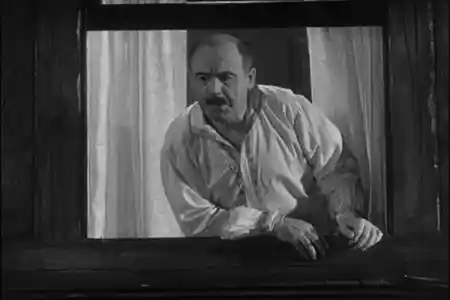
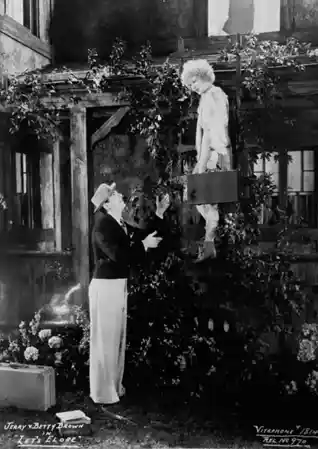
The whole thing kicks off with Betty Brown, playing Millie, trying to stuff a hatbox into a suitcase that's clearly too small. It's a small moment, but her exasperated sighs really sell the desperation to just *get away*. You can almost feel the stress of eloping just by watching her wrestle with a few ribbons. 😂
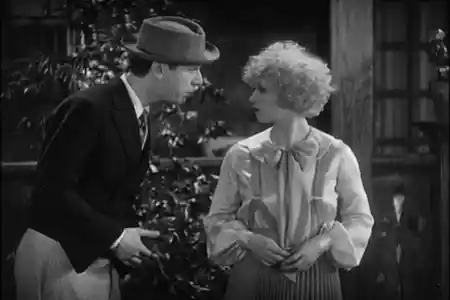
Francis Pierlot, as Arthur, tries his best to be the dashing suitor, but he's mostly a charming klutz. There's this one scene where he's fiddling with the car engine, and the smoke effects are just… well, they’re **definitely** 1930s smoke effects. It's more endearing than convincing, honestly. He gets grease on his cheek, and you can tell he's trying to look distraught, but it comes off as a bit funny.
Marion Abbott as Aunt Agnes is a *treat*. She doesn't have a ton of lines, but her reaction shots are gold. The way she arches an eyebrow when she overhears a snippet of Millie's plan from the other room? **Perfectly over-the-top** without being annoying. You just know she's already mentally disapproving of everything.
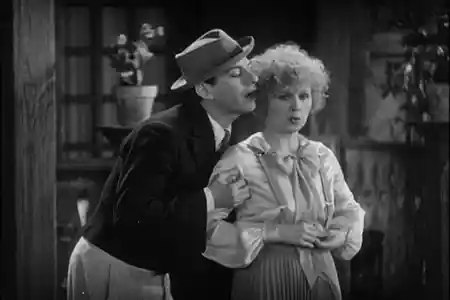
Jerry Browne, playing Arthur's pal, brings some much-needed physical comedy. His attempt to distract Aunt Agnes by pretending to trip over a rug goes on about 10 seconds too long, and the silence afterwards starts to feel awkward rather than just slapstick. It’s the kind of moment that makes you lean forward a bit, wondering if they forgot to cut.
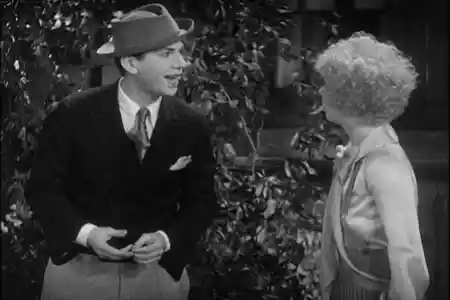
The sound quality is exactly what you'd expect from 1930. Sometimes the dialogue feels a little rushed, like they're trying to get all their lines in before the microphone cuts out. Other times, a dramatic whisper is surprisingly clear. It's a mixed bag, which is part of the fun of watching these older films.
There's a scene near the end where Millie and Arthur are finally in the getaway car, and the backdrop is clearly a painted roll. It's so *obvious*, but it doesn't detract from the sweetness of the moment. In fact, it kind of adds to it, making everything feel a bit more dreamlike and innocent.
I loved how they used a lot of close-ups on hands. Millie wringing her hands, Arthur nervously adjusting his tie. It really helped convey the tension without needing a ton of dialogue, which was smart given the recording tech of the time.
The movie gets noticeably better once it stops trying to build up dramatic tension and just lets the characters be silly. The initial setup feels a bit stiff, but once the actual 'eloping' chaos begins, it loosens up considerably. It’s like the actors finally relaxed into their roles.
It’s a light, breezy watch. Doesn't ask too much of you, and it's over before you can really complain about the dated bits. Just a nice little piece of early cinematic history, if you're into that sort of thing. Nothing profound, just a bit of fun.
IMDb 6.5
1919
Community
Log in to comment.