DbcultAccessing Vault...
6.4/10
Senior Film Conservator
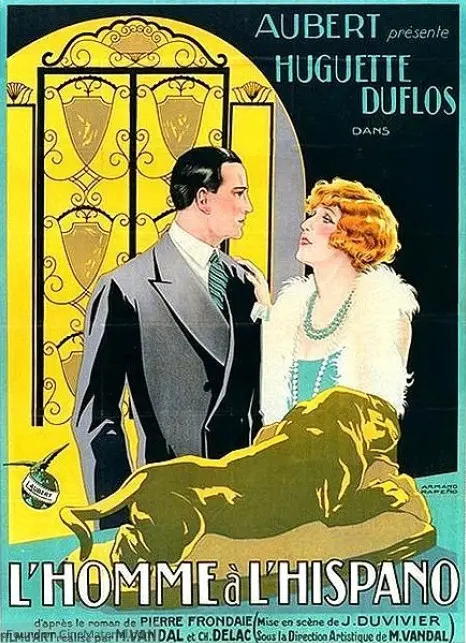
A definitive 6.4/10 rating for a film that redefined the boundaries of cult cinema. L'homme à l'Hispano remains a cornerstone of transgressive art.
Is 'L'homme à l'Hispano' a forgotten gem begging for rediscovery, or a relic best left in the annals of early cinema? The short answer is: it’s a compelling, albeit slow-burning, character study that holds surprising relevance for those with a penchant for classic French drama and a patient eye. This film is unequivocally for viewers who appreciate the nuanced storytelling and deliberate pacing of early 20th-century European cinema, especially those interested in the psychological toll of societal expectations and financial desperation. Conversely, it is decidedly not for audiences seeking fast-paced narratives, clear-cut heroes, or modern genre conventions.
René Hervil’s 1926 silent drama, ‘L'homme à l'Hispano’, stands as a stark reminder of cinema’s enduring power to expose the fragility of human dignity when confronted by the crushing weight of societal judgment and personal pride. It’s a film that, despite its age, speaks volumes about the performative nature of wealth and the often-catastrophic consequences of living a lie. The narrative unfolds with a quiet intensity, drawing the viewer into Georges Dewalter's increasingly desperate predicament.
At its core, 'L'homme à l'Hispano' is a masterful exploration of the chasm between appearance and reality. Georges Dewalter, portrayed with a captivating blend of dignity and despair by Georges Péclet, finds himself in Biarritz, maintaining the illusion of a wealthy gentleman. His prized possession, the titular Hispano-Suiza, a magnificent luxury car gifted by friends, becomes both his greatest asset in maintaining this charade and a heavy symbol of his impending doom. This car is not just transportation; it is an extension of his manufactured identity, a gleaming shield against the truth of his financial ruin.
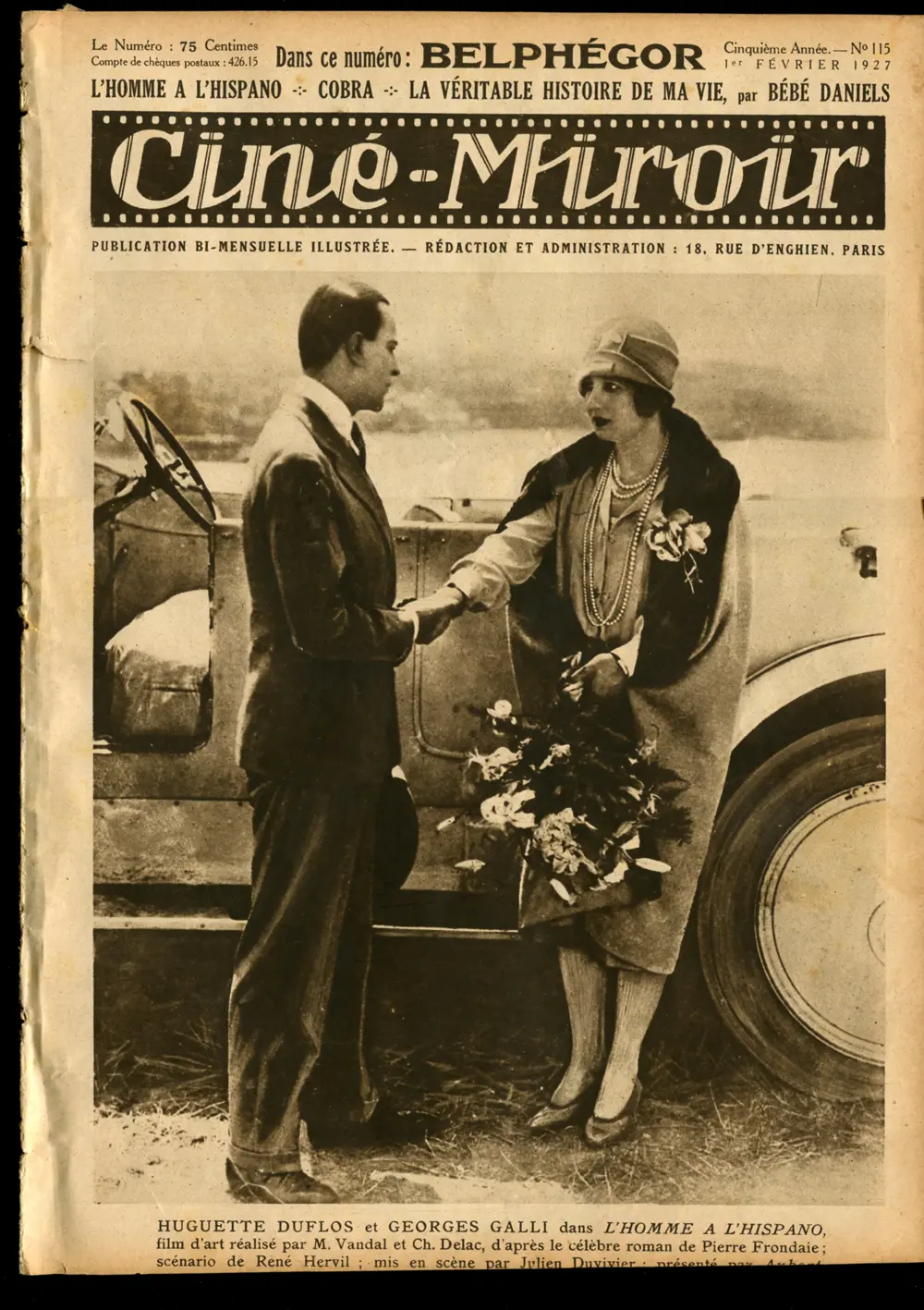
The film works because it crafts a deeply empathetic, if morally ambiguous, protagonist whose internal struggle is palpable even without dialogue. Péclet’s performance relies heavily on subtle gestures, haunted eyes, and a stiff upper lip that barely conceals the turmoil beneath. His interactions with Stéphane Oswill, the woman who becomes entangled in his web of deceit, are fraught with unspoken tension and a tragic inevitability.
This film, however, fails because its deliberate, almost languid pace, while essential to its period charm and psychological depth, will undoubtedly test the patience of contemporary audiences accustomed to more immediate gratification. The narrative unfolds with a slowness that demands a specific kind of engagement, one that modern viewing habits often struggle to accommodate. It is a film that requires active participation, a willingness to lean in and interpret the silent language of its characters and settings.
You should watch it if you are a cinephile keen on understanding the evolution of cinematic storytelling, particularly French silent films, and if you appreciate character-driven dramas that delve into themes of social climbing, financial desperation, and the corrosive nature of deceit. It offers a unique window into the anxieties of the interwar period, anxieties that, surprisingly, echo in our own times.
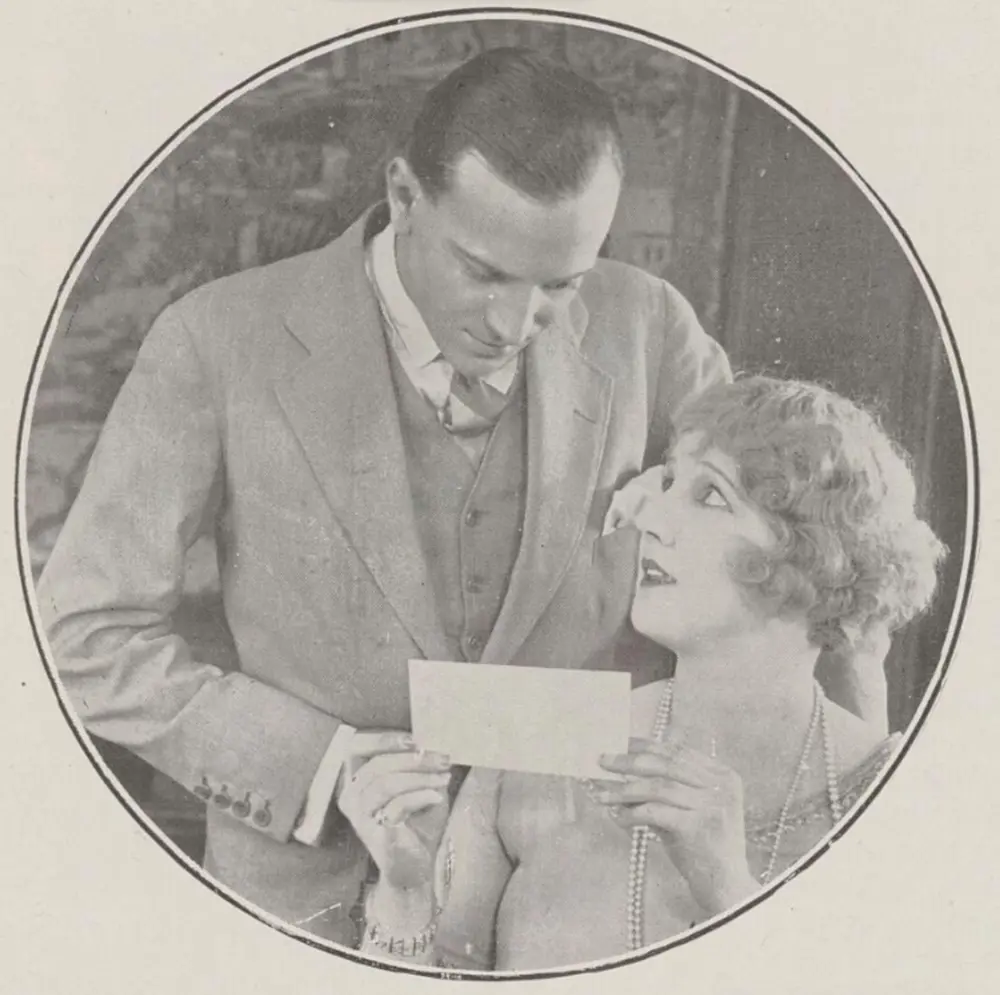
Georges Péclet's performance as Dewalter is the undeniable anchor of 'L'homme à l'Hispano'. He doesn't merely play a man in financial distress; he embodies the very essence of a gentleman trapped by his own pride and the expectations of his class. There's a particular scene where Dewalter, having just spent an evening with Stéphane, returns to his solitary room, the weight of his charade visibly pressing down on him. His slumped shoulders, the way he slowly removes his elegant jacket, and the distant stare into nothingness speak volumes about his inner torment without a single intertitle needed. It’s a masterclass in silent film acting, conveying a profound sense of isolation and impending doom. He never devolves into caricature, maintaining a tragic nobility even as his world crumbles.
Péclet’s ability to project both a suave exterior and a deeply troubled interior is what makes Dewalter such a compelling figure. He is not a villain, nor is he purely a victim. He is a man making increasingly desperate choices, driven by a fear of exposure that feels acutely human. This nuanced portrayal elevates the film beyond a simple morality tale, inviting the audience to empathize with his plight, even as they witness his self-destructive path.
Madeleine Rodrigue’s portrayal of Stéphane Oswill is equally critical, though perhaps less sympathetic to modern eyes. Stéphane is presented as a woman drawn to the trappings of wealth, a common trope of the era, yet Rodrigue imbues her with a certain naive charm that prevents her from being a one-dimensional antagonist. She is not overtly malicious, but rather a product of a society that values outward displays of affluence. Her casual spending of Dewalter's remaining funds, though devastating, feels less like calculated cruelty and more like an innocent, albeit deeply irresponsible, indulgence.
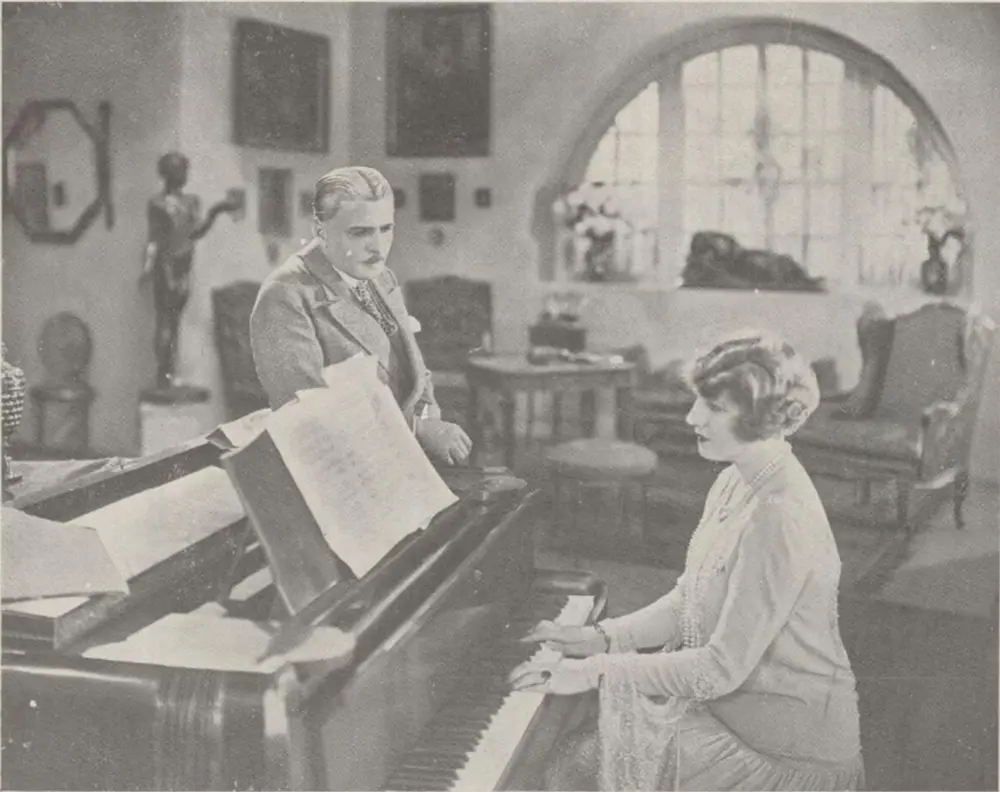
There's a moment when Stéphane, beaming with delight, shows Dewalter a new expensive dress or piece of jewelry she has purchased. The camera briefly cuts to Dewalter’s face, a flicker of pain and resignation crossing his features, before he forces a smile. This brief, wordless exchange encapsulates the film’s central tragedy: two people living in different realities, their desires fundamentally misaligned. Rodrigue’s performance highlights this disconnect, making Stéphane a symbol of the very societal pressures that are destroying Dewalter.
René Hervil's direction is marked by a quiet sophistication. He understands that in silent cinema, atmosphere and visual storytelling are paramount. He uses the luxurious setting of Biarritz not just as a backdrop, but as an active participant in the deception. The grand hotels, the fashionable promenades, and the elegant interiors all serve to reinforce the world Dewalter is desperately trying to cling to. Hervil's camera often lingers on the Hispano-Suiza, making it a character in its own right, a constant reminder of Dewalter's precarious position.
The pacing is deliberate, allowing the psychological tension to slowly simmer rather than explode. This directorial choice might feel slow by today's standards, but it perfectly suits the film's character study nature. Hervil allows moments of silent contemplation, trusting his actors and the visual language to convey emotion. His restraint is commendable, avoiding melodramatic flourishes in favor of a more grounded, realistic portrayal of despair. This approach can be seen as both a strength and a potential barrier for contemporary viewers, but it undeniably contributes to the film's unique artistic signature.
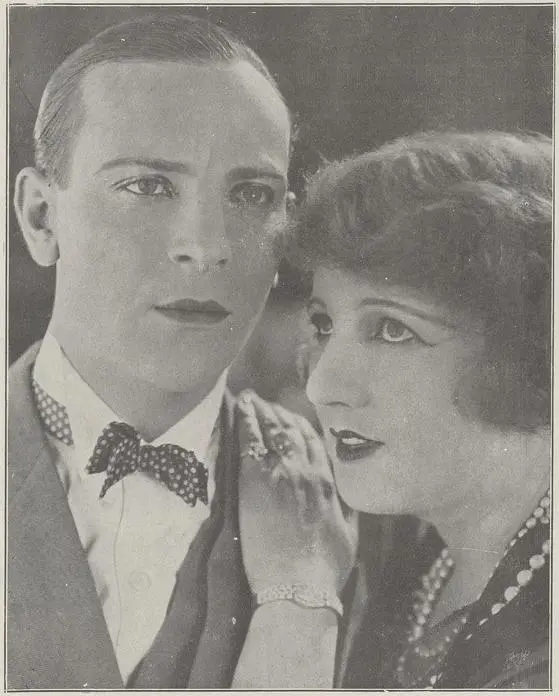
The cinematography, while typical of the era, effectively uses light and shadow to enhance the film's mood. Shots of the Hispano-Suiza gleaming in the sun, contrasting with the increasingly shadowed expressions on Dewalter's face, are particularly effective. The car itself is a powerful symbol: a testament to past friendships, a tool for present deception, and ultimately, a harbinger of future ruin. It represents the external validation Dewalter craves and the internal emptiness he feels.
The setting of Biarritz is also crucial. It's a place of leisure and wealth, a playground for the affluent. For Dewalter, it’s a stage where he must perform his last act of grandeur. The contrast between the vibrant social scenes and Dewalter's internal agony is subtly but effectively conveyed through Hervil's framing and the actors' expressions. It’s a beautifully shot film for its time, capturing the elegance of the era while hinting at the underlying rot.
The film's pacing is its most divisive element. 'L'homme à l'Hispano' is a slow burn, meticulously building its narrative brick by brick. This deliberate rhythm allows for a deep immersion into Dewalter's psychological state, but it requires patience. The tone is melancholic, tinged with irony and a sense of impending tragedy. There are few moments of levity, the narrative instead focusing on the inexorable slide into financial and emotional destitution.
This deliberate construction creates a powerful emotional impact,

IMDb 5.4
1930
Community
Log in to comment.