DbcultAccessing Vault...
6.4/10
Senior Film Conservator
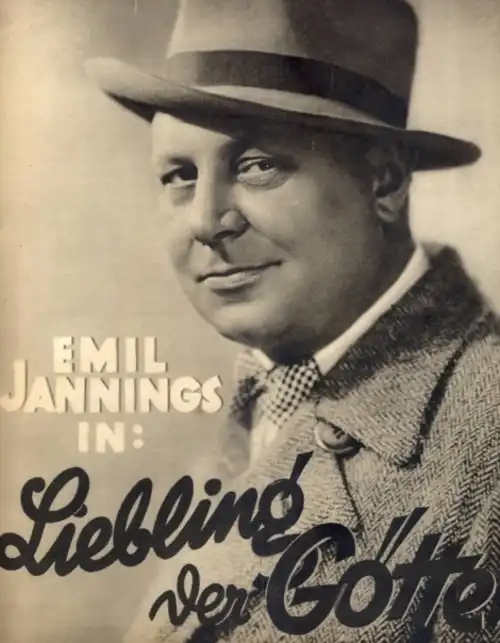
A definitive 6.4/10 rating for a film that redefined the boundaries of cult cinema. Liebling der Götter remains a cornerstone of transgressive art.
Okay, so Liebling der Götter (that's 'Darling of the Gods' for us non-German speakers) is one of those films. If you dig classic German cinema, especially anything with Emil Jannings, then yeah, give it a look. But if you're expecting something zippy or, you know, super relevant to today, you might find it a bit... stiff. 🎬
The story itself is quite simple. A famous singer, women like him, his wife is not thrilled. That's about it, really. It’s less about a grand plot and more about atmosphere, I think.
Jannings, as Albert Winkelmann, really chews the scenery. Not in a bad way, mostly. There's a scene where he's just glowing after a performance, soaking it all in. You can see why they called him a 'darling.'
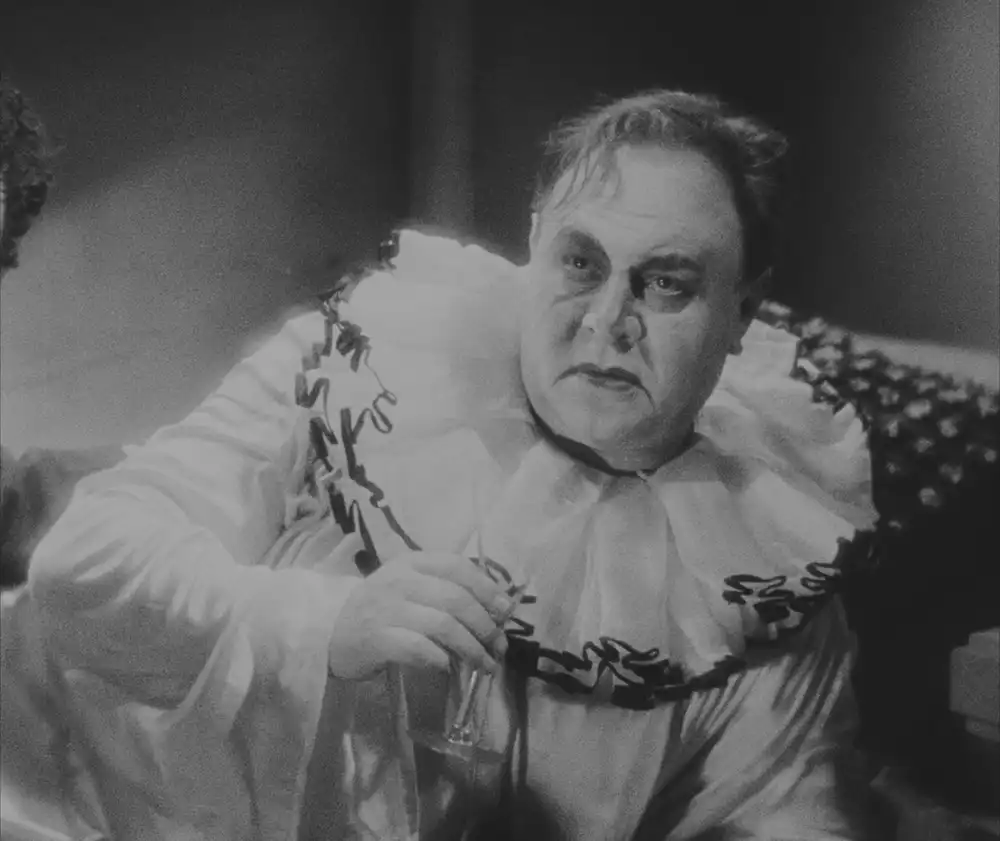
His presence, particularly during the opera scenes, is quite something. He carries a certain weight, a kind of self-importance that feels very authentic to a star of that era. When he sings, even without understanding the German, you feel the emotion.
Then there's his wife, Agathe, played by Renate Müller. She has this perpetual worried look. It’s not just concern; it’s like she’s always smelling burnt toast. Bless her heart, she tries.
You can almost feel the movie trying to convince you this marriage matters, but Winkelmann's charm is so... overwhelming that you just kind of accept he’s going to do what he wants. Agathe’s quiet suffering feels very much of its time, a woman stuck in a tricky situation. 🤷♀️

The film moves at a particular rhythm, you know? It's not fast. There are these long shots where people just... *are*. You really feel that 1930s pace. Sometimes the camera just sits on a reaction for a beat too long. You start to wonder if they just forgot to yell cut. It adds a certain charm, I guess? Or maybe it was just the style then.
One moment that stuck with me: Winkelmann is at a party, surrounded by adoring women, and he’s just *beaming*. Then the camera cuts to Agathe, alone in a corner, looking utterly drained. It’s a quiet contrast that says a lot without a word.
And Hans Moser! He pops up, does his little nervous thing. Always a laugh, even if his character isn't exactly pivotal to the whole thing. His brief appearances are a welcome bit of levity.
The sets feel opulent, especially the opera house. You get a real sense of that old-world grandeur. It’s a visual treat if you appreciate the period detail.
There's this one sequence, I forget exactly when, but Winkelmann is just walking through a bustling street, and everyone *stops* to look at him. It’s a bit exaggerated, but it drives home the idea of him being this immense celebrity. Not quite subtle, but effective.
The film doesn't really delve deep into *why* he's so drawn to other women, beyond a vague sense of artistic temperament. It just presents it as a fact of his life. His wife's attempts to reel him in often feel a bit futile.
It’s not a movie that tries to be morally complex, just kind of shows you how things are for a famous guy. The ending feels a little... neat. After all that, it wraps up pretty quick.
So, is it a masterpiece? Probably not. Is it an interesting watch for anyone curious about early sound films and the acting styles of that era? Absolutely. Jannings really carries it, even if the story doesn't.
You probably won't be talking about it for weeks, but it leaves a gentle impression. A snapshot of a different time, with a very big star at its center. Worth a quiet evening, maybe with a cup of tea. ☕
IMDb —
1916
Community
Log in to comment.