DbcultAccessing Vault...
Cult Review
Senior Film Conservator
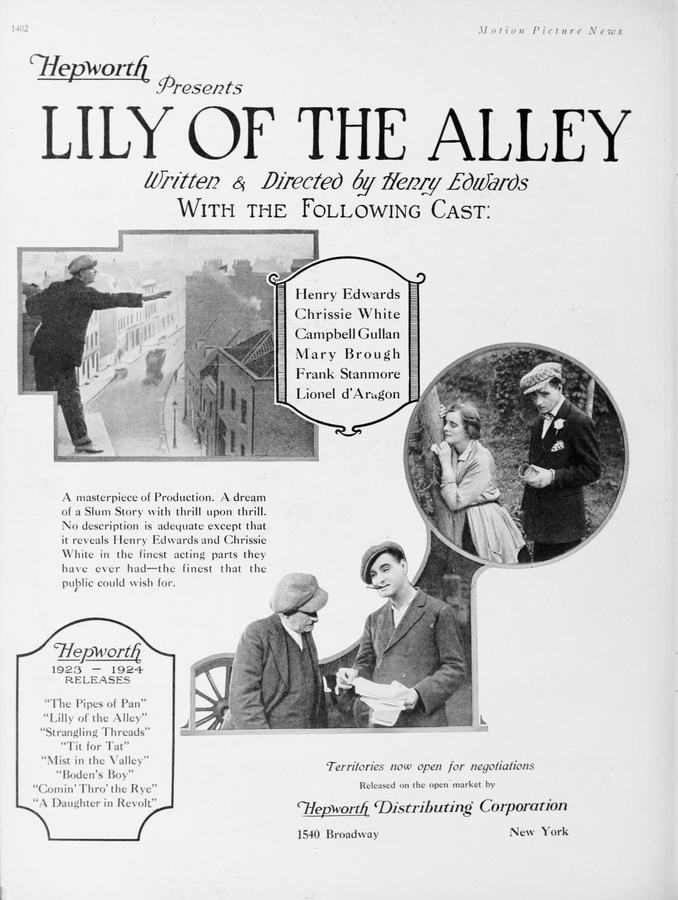
The film opens with a bustling market tableau, the clatter of copper pots and the aromatic swirl of freshly brewed coffee forming an almost tactile backdrop. Lionel d'Aragon (played by the eponymous Lionel d'Aragon) is introduced as a diligent stall keeper, his hands perpetually stained with the dark brew he serves. His wife, portrayed with haunting subtlety by Chrissie White, lingers in the periphery, her eyes flickering between affection and an inscrutable dread. A single, lingering shot captures her gaze fixed on a distant ember, foreshadowing the nightmare that will soon envelop their modest existence.
\n \nThe narrative thrust is propelled by a recurring vision: the wife dreams of Lionel losing his sight, stumbling blindly through a conflagration that devours their home. These nocturnal episodes are rendered in stark, high‑contrast cinematography, the shadows deepening with each successive nightmare. As the visions intensify, the audience is drawn into a psychological labyrinth where the line between premonition and reality blurs, echoing the expressionist sensibilities seen in The Spanish Jade and the dreamlike atmospherics of The Rustle of Silk.
\n \nSupporting characters punctuate the central drama with moments of levity and tension. Frank Stanmore delivers a wry commentary as the stall’s regular patron, his dialogue peppered with sardonic wit that underscores the absurdity of fate. Campbell Gullan, cast as a stoic benefactor, offers a silent counterpoint, his presence a reminder of societal hierarchies that press upon the couple. Mary Brough’s nosy neighbor provides a chorus of gossip, amplifying the wife’s isolation and amplifying the film’s commentary on communal scrutiny.
\n \nLily of the Alley thrives on the tension between domestic normalcy and looming catastrophe. The director, Henry Edwards, employs a muted palette, allowing the occasional splash of dark orange (#C2410C) to signal moments of heightened emotional intensity. The use of chiaroscuro lighting mirrors the protagonist’s internal conflict, casting the wife’s face in half‑light during her prophetic reveries. This visual language is reminiscent of the atmospheric techniques employed in Half an Hour, where shadows become an extension of the characters’ subconscious.
\n \nThe film’s sound design—though silent, it relies on intertitles and a meticulously crafted musical score—to amplify the sense of dread. Intertitles appear in a sea‑blue hue (#0E7490), a deliberate contrast to the black backdrop, guiding the viewer’s eye toward crucial narrative beats. The occasional burst of yellow (#EAB308) in the intertitles signals a shift in tone, often coinciding with the wife’s escalating visions.
\n \nWhen situating Lily of the Alley within its cinematic epoch, parallels emerge with several peer productions. Collars and Cuffs shares a similar preoccupation with societal expectations constraining personal desire, while Wanted - A Film Actress explores the cost of ambition under the watchful gaze of a public that thrives on spectacle. The thematic undercurrents of foreboding destiny in Lily of the Alley also resonate with the mythic tragedy of Tarzan of the Apes, albeit transposed from jungle to urban alley.
\n \nThe narrative’s climax—a literal and figurative blaze—echoes the visceral intensity of Go West, Young Woman, where fire serves as both destructive force and purgatorial rebirth. In Lily of the Alley, the flames are not merely a plot device but an embodiment of the wife’s inner turmoil, a visual metaphor for the eroding trust between husband and spouse.
\n \nLionel d'Aragon delivers a performance that oscillates between stoic endurance and palpable vulnerability. His physicality—rigid shoulders softened by fleeting glances toward his wife—conveys an unspoken dialogue that transcends the film’s silent format. Chrissie White, meanwhile, masterfully balances fragility with resolve; her eyes, often the sole conduit of emotion, flicker between terror and determination, crafting a portrait of a woman ensnared by prophecy yet refusing capitulation.
\n \nFrank Stanmore’s comic interludes provide necessary rhythmic relief, his timing impeccable, reminiscent of the comedic beats in When Do We Eat?. Campbell Gullan’s understated presence functions as an emotional anchor, his silence speaking louder than any intertitle. Mary Brough, as the meddlesome neighbor, injects a layer of social commentary, her gossiping monologues exposing the intrusive nature of close‑knit communities.
\n \nCinematographer Henry Edwards (also the writer) demonstrates a deft command of visual storytelling. The camera often lingers on the steam rising from the coffee pots, a symbolic veil that both conceals and reveals truth. Tracking shots follow the wife’s frantic movements through cramped alleyways, the frame tightening to mirror her escalating panic. The climactic fire sequence employs a combination of practical effects and rapid editing, the frames flickering like a dying heartbeat, a technique that predates later expressionist masterpieces.
\n \nSet design is minimalistic yet evocative; the coffee stall, rendered in weathered wood and rusted metal, becomes a character in its own right. The juxtaposition of the stall’s warm amber glow against the cold, unforgiving alleyway creates a visual tension that underscores the film’s central conflict. The use of color—though the film is silent and black‑and‑white— is suggested through intertitle hues, a clever device that guides audience perception without breaking immersion.
\n \nThe editing rhythm is deliberately measured, allowing moments of quiet introspection to breathe before the sudden jolts of the wife’s visions. This pacing mirrors the psychological ebb and flow experienced by the characters, a technique reminiscent of the deliberate tempo in The Heart Line. The intercutting of dream sequences with mundane reality is handled with seamless fluidity, preventing disorientation while maintaining an undercurrent of unease.
\n \nProduced in the mid‑1920s, Lily of the Alley reflects a post‑World War I society grappling with uncertainty and the fragility of domestic stability. The coffee stall, a microcosm of working‑class livelihood, serves as an allegory for the precariousness of everyday existence. The wife’s prophetic anxieties can be read as a manifestation of collective trauma, a subconscious fear that the comforts of home could be irrevocably shattered.
\n \nThe film’s thematic preoccupation with vision—both literal blindness and metaphorical insight—parallels contemporary discourses on gender roles. The wife’s foresight, while initially portrayed as a burden, ultimately becomes a catalyst for agency, challenging the era’s patriarchal expectations. This narrative thread aligns with the feminist undercurrents observed in Springtime, where female protagonists assert autonomy against societal constraints.
\n \nLily of the Alley endures as a compelling study of dread, devotion, and destiny. Its measured storytelling, combined with a visual palette that subtly employs dark orange, sea blue, and yellow accents, creates an immersive atmosphere that rewards attentive viewing. While the film may not possess the overt flamboyance of contemporaneous epics like Das rote Plakat, 2. Teil - Die eiserne Acht, its quiet potency lies in its ability to evoke existential terror through everyday objects—a coffee pot, a flickering lamp, a whispered dream.
\n \nFor modern audiences, the film offers a window into the silent era’s narrative sophistication, proving that even without dialogue, complex emotional landscapes can be charted with precision. Its influence can be traced in later works that explore prophetic dread, such as the psychological tension in The Soul of a Magdalen. Lily of the Alley remains a testament to the power of visual storytelling, a reminder that the most haunting specters often reside within the mind.
\n
IMDb 6.6
1929
Community
Log in to comment.