DbcultAccessing Vault...
6.8/10
Senior Film Conservator
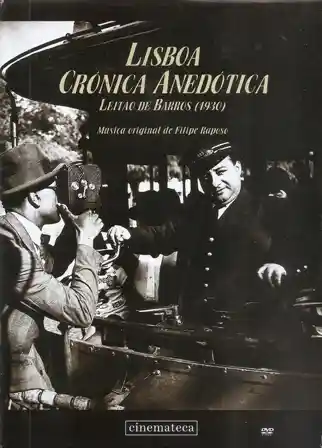
A definitive 6.8/10 rating for a film that redefined the boundaries of cult cinema. Lisboa remains a cornerstone of transgressive art.
“Lisboa” isn’t for everyone, not by a long shot. If you're hoping for a gripping story or even just quick cuts, you're probably going to be bored stiff.
But if you've got a soft spot for old films, or just want to see Lisbon from way back when, this is actually pretty special. Skip it if you need things to *happen* onscreen; embrace it if you like soaking in atmosphere. 🚢
It feels like someone just pointed a camera at the city for a day, maybe a few days, and stitched it all together. No big narrative. Just scenes.
You start down by the docks, and the sheer scale of the ships, like the 'Sagres,' really hits you. The dockworkers, all hustle and bustle, moving crates. It’s a busy, noisy energy, even without sound. You can practically *feel* the ropes and the salt air.
Then it drifts up into the older parts, around Saint George's Castle. Cobblestone streets, narrow alleys. Kids are playing games that probably haven't changed in centuries. There's a real sense of community in those little squares.
One shot, I remember it vividly: an old woman, probably selling fish. Her face is just *weathered*, you know? Like she’s seen everything. The camera stays on her for a beat too long, maybe, but it makes you really look.
The film does mix in some re-enacted bits, but honestly, it’s hard to tell where the "real" documentary ends and the "staged" begins. And that's kind of the charm. It all blends into this very convincing picture of 1930s Lisbon.
The pace is… deliberate. Sometimes, the camera just sort of *lingers* on things. A tram rolling by, nothing special, but it makes you appreciate the quiet flow of life. 🚋
You see so many faces. Each one tells a story, even if you only see them for a second. The way people dressed, the hats, the way they carried themselves. It's a whole different vibe than today.
There's a scene in a market, full of activity. Fish being sold, vegetables piled high. It’s a chaotic beautiful thing. You almost smell the place.
I kept thinking about how much has changed, and how much, deep down, hasn't. The city itself, the way the light hits the Tagus river. That part feels timeless.
Some of the acting, in the re-enacted bits, feels a bit… earnest. Like they’re trying really hard for the camera. But it’s endearing. It’s not trying to be slick, you know?
The lack of dialogue means you’re really just watching. Paying attention to gestures, to surroundings. It forces you to slow down. That's a good thing, sometimes. We don't do enough of that now.
It’s not a film you’d put on for a party. It’s more of a quiet Sunday afternoon watch, maybe with a cup of tea. Or coffee. Something warm. ☕
You can almost feel the movie itself trying to convince you these small, everyday moments *matter*. And they do, here. A kid kicking a ball, a woman doing laundry by hand. These are the threads of a city.
I found myself wondering about the people. What were their lives like? What were they thinking as the camera passed by? It leaves a lot of room for your own thoughts, which is pretty cool.
The film gets noticeably better once you stop expecting it to be a "movie" and just let it wash over you. It's a time capsule, really. A very detailed, affectionate one.
It’s a peculiar experience, watching The Hungry Heart or other more conventional films from this era, and then seeing something like “Lisboa.” It's a different kind of ambition. To simply *show*.
Is it perfect? Nah. It drags a bit in spots. Some shots feel a little redundant. But the overall effect is powerful. You walk away feeling like you've actually *visited* a different time.
So, if you’re into the old ways, or just curious about Lisbon's past, give it a go. It's a unique little document. And honestly, it’s kind of beautiful. ✨
IMDb 2.7
1914
Community
Log in to comment.