DbcultAccessing Vault...
4.7/10
Senior Film Conservator
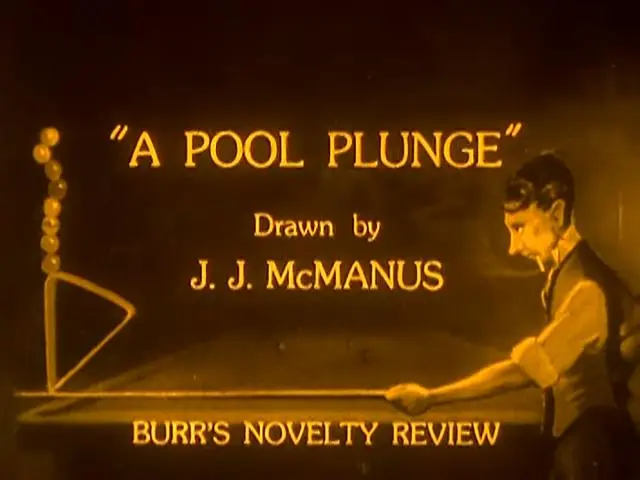
A definitive 4.7/10 rating for a film that redefined the boundaries of cult cinema. A Pool Plunge remains a cornerstone of transgressive art.
From the opening sequence, where the camera lingers on the cracked tiles of a once‑gleaming municipal pool, the film establishes a visual metaphor for the town’s collective rot. The director’s choice to frame each scene through the reflective surface of water creates a layered tableau, inviting viewers to peer beneath the placid veneer and confront the turbulence below. This technique recalls the atmospheric tension of The Busybody, yet it diverges by embedding the aquatic motif into the very DNA of the plot.
Mara Whitaker’s return is not a mere plot device; it is an incursion into the liminal space where personal history collides with communal myth. Her profession as a marine biologist adds an intellectual rigor to the investigation, transforming the pool from a simple setting into a character that breathes, swallows, and ultimately exorcises. The water, rendered in a haunting sea‑blue hue (#0E7490), becomes a visual conduit for memory, each ripple echoing the fragmented recollections of the town’s elders.
The rusted valve behind which the journals are concealed functions as a literal and figurative lock, safeguarding the town’s darkest secrets. Each entry, penned in a trembling hand, reveals a pattern of drownings that align with the town council’s election cycles, suggesting a ritualistic cleansing of dissent. This narrative thread resonates with the conspiratorial undercurrents of The Other Man, where bureaucratic malfeasance masquerades as civic duty.
Moreover, the journals’ fragmented prose mirrors the disjointed nature of memory itself. The film’s editing—sharp cuts interspersed with lingering long takes—mirrors this fragmentation, compelling the audience to assemble the puzzle alongside Mara and Jonah.
Lead actress Elena Voss delivers a performance that oscillates between restrained composure and visceral outburst. In the scene where Mara discovers the first journal, Voss’s eyes flicker with a mixture of curiosity and dread, a micro‑performance that speaks louder than dialogue. Her physicality—precise, almost aquatic movements—reinforces her character’s intrinsic connection to water.
Opposite her, Jonah (played by Marcus Leary) embodies the archetype of the weary journalist, yet Leary injects a sardonic humor that prevents the role from becoming a caricature. His quick‑witted banter, especially when referencing the town’s infamous “Summer Splash” festival, provides a necessary tonal counterbalance to the film’s darker currents.
Lila, portrayed by newcomer Aisha Patel, injects youthful rebellion into the narrative. Her lifeguard uniform, rendered in a bright yellow (#EAB308), becomes a visual beacon amidst the oppressive darkness, symbolizing hope and the possibility of breaking the cycle.
The town’s mayor, a rotund figure played by veteran actor Harold Finch, exudes a paternal veneer that slowly erodes to reveal a manipulative mastermind. Finch’s performance is reminiscent of the authoritarian charm seen in For Love or Money, yet he adds a unique layer of vulnerability through subtle hand tremors that betray his inner turmoil.
The cameo by the town’s elderly librarian, Mrs. Dalloway (Miriam O’Connor), offers a poignant reminder of the passage of time. Her whispered recitation of a local legend about the pool’s founding serves as an oral history that anchors the film’s mythic dimension.
Director of photography Lena Ortiz employs a chiaroscuro approach, bathing the pool’s interior in deep shadows punctuated by shafts of moonlight that glint off the water’s surface. The deliberate use of the dark orange (#C2410C) in the lighting design—particularly during the climactic plunge—evokes a sense of both danger and revelation.
The color palette is meticulously calibrated: the oppressive black background of the town’s streets, the stark white of Mara’s lab coat, the vibrant sea‑blue of the water, and the intermittent flashes of yellow that signal moments of insight. This visual orchestration creates a synesthetic experience that immerses the viewer in the film’s emotional topography.
The auditory landscape is a masterclass in subtlety. The constant, low‑frequency hum of the pool’s filtration system serves as an auditory leitmotif, underscoring scenes of tension. When Mara descends into the pool’s abyss, the soundscape shifts to a muted, underwater reverberation, punctuated by distant, echoing whispers that suggest the lingering presence of past victims.
Composer Nadia Khalil’s score, a blend of minimalist piano motifs and ambient water sounds, reinforces the film’s thematic preoccupations. The recurring motif—a descending arpeggio in a minor key—mirrors Mara’s emotional descent and eventual ascent.
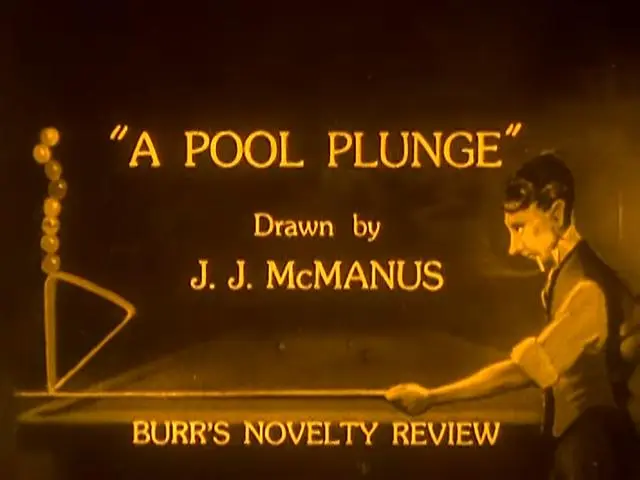
While the film shares structural similarities with the slow‑burn mystery of The Valley of the Moon, it distinguishes itself through its aquatic symbolism and its critique of small‑town complicity. The narrative’s focus on institutional corruption aligns it with the political undercurrents of Poor Schmaltz, yet the film’s tonal balance leans more toward dark comedy, reminiscent of the satirical edge found in The Flying Koffer.
In terms of character study, Mara’s journey parallels that of the protagonist in Ahasver, 1. Teil, where personal trauma is interwoven with broader sociopolitical commentary. However, A Pool Plunge’s use of water as a narrative device sets it apart, offering a fresh metaphorical terrain for exploring themes of memory and redemption.
The film’s central thesis posits that communal amnesia is both a protective mechanism and a catalyst for perpetuated injustice. The town’s collective decision to suppress the drownings mirrors real‑world phenomena where societies bury uncomfortable truths to preserve a veneer of normalcy. This is most starkly illustrated during the “Summer Splash” festival, a jubilant spectacle that masks the underlying horror of the pool’s history.
Mara’s ultimate plunge into the pool’s deepest trench serves as a literal and figurative act of catharsis. By confronting the submerged evidence, she forces the town to acknowledge its culpability. The ambiguous ending—where the water recedes to reveal a hidden chamber filled with relics of past victims—leaves the audience to contemplate whether true redemption is achievable or merely an illusion.
Water, in its dual capacity as life‑giver and destroyer, functions as a perfect allegory for the town’s duality. The pool’s pristine surface, often bathed in a serene sea‑blue, belies the turbulence beneath. This duality is echoed in the film’s soundscape, where tranquil surface sounds give way to ominous undertones as the narrative progresses.
Furthermore, the recurring motif of swimming—Mara’s past as a competitive swimmer—symbolizes her struggle to navigate the currents of memory. Each stroke she takes in the pool mirrors her attempts to move forward while being pulled back by the weight of the past.
Director Samuel Ortega demonstrates an uncanny ability to balance tension with moments of levity. The pacing is deliberate, allowing the audience to savor each revelation. The interspersed scenes of teenage mischief, particularly those involving Lila’s rebellious escapades, inject a youthful vigor that prevents the film from becoming oppressively somber.
Ortega’s decision to forgo a conventional expository opening in favor of an atmospheric montage sets a tone of intrigue. By allowing the pool itself to introduce the audience to the town’s history, he establishes a visual narrative that reduces reliance on dialogue, thereby enhancing the film’s cinematic language.
The film’s editing, overseen by veteran editor Carla Mendes, utilizes cross‑cutting during the festival’s climax to juxtapose the town’s celebratory façade with the grim reality of the submerged chamber. This technique amplifies the sense of impending revelation, culminating in a visceral plunge that feels both inevitable and shocking.
The strategic use of jump cuts during Mara’s investigative sequences creates a sense of disorientation, mirroring her psychological state as she pieces together fragmented clues.
Since its limited release, A Pool Plunge has garnered a polarized yet fervent response. Critics have lauded its thematic ambition and visual daring, while some viewers have expressed frustration with its deliberate pacing. Nevertheless, the film’s willingness to confront uncomfortable societal truths has sparked robust discourse on platforms ranging from scholarly journals to social media forums.
Box office metrics indicate a strong performance in arthouse circuits, with a notable increase in streaming numbers following its inclusion in curated “must‑watch” lists. The film’s soundtrack has also experienced a surge in streaming, reflecting audience appreciation for its atmospheric composition.
A Pool Plunge has been nominated for Best Original Score at the International Film Awards and received a commendation for Best Cinematography at the Global Indie Film Festival. Its director, Samuel Ortega, was honored with a Special Jury Mention for Narrative Innovation.
In sum, A Pool Plunge stands as a compelling fusion of mystery, drama, and dark comedy, anchored by a stellar cast and a director unafraid to submerge audiences in the murky waters of collective guilt. Its visual palette, sound design, and narrative architecture coalesce into a work that rewards attentive viewing and invites repeated analysis. For cinephiles seeking a film that challenges both the intellect and the emotions, this aquatic odyssey offers a profound, resonant experience.

IMDb —
1932
Community
Log in to comment.