DbcultAccessing Vault...
6.6/10
Senior Film Conservator
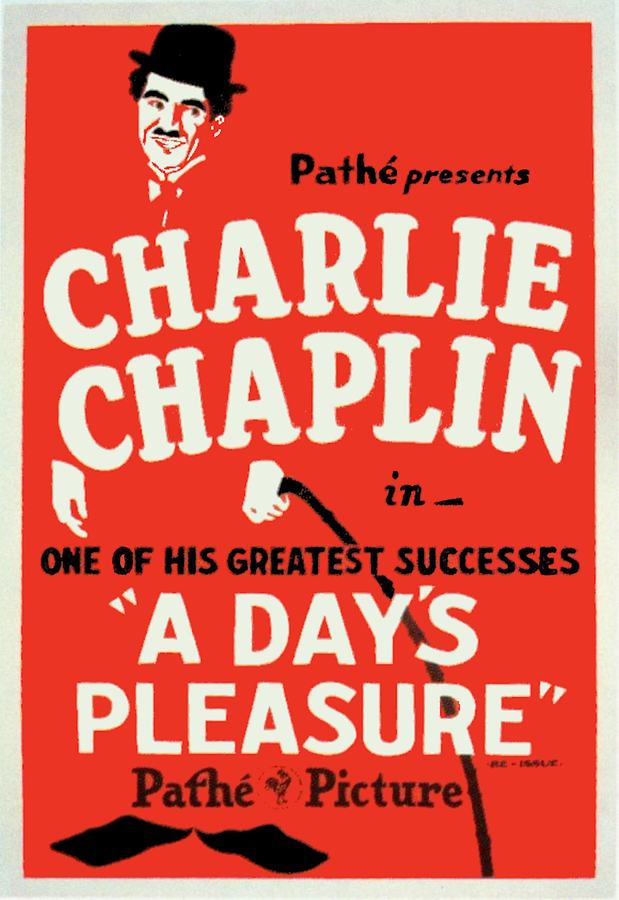
A definitive 6.6/10 rating for a film that redefined the boundaries of cult cinema. A Day's Pleasure remains a cornerstone of transgressive art.
Charles Chaplin’s A Day’s Pleasure (1919) functions as both uproarious comedy and anthropological study – a meticulously choreographed collapse of bourgeois aspiration. Emerging from Chaplin’s First National period, this two-reeler strips bare the illusion that organized recreation offers respite from life’s inherent chaos. Here, the Tramp persona is temporarily shelved for an Everyman role: a harried father (Chaplin) whose very attempt at familial cohesion through a seaside outing becomes a descent into pandemonium. The film operates on a razor’s edge between recognition and exaggeration, transforming mundane objects – a car, a ferry bench, an ice cream cone – into instruments of sublime disruption.
The catastrophe commences prosaically: the family automobile, that symbol of modern convenience, becomes the first agent of rebellion. Chaplin’s struggles with the Model T’s crank handle evolve into a kinetic ballet of frustration. Metal bites back, the engine coughs like a consumptive, and the vehicle shudders with the malevolent vitality of a beast resisting domestication. Edna Purviance, as the eternally patient wife, navigates this mechanical insurrection with resigned grace, while their sons (Raymond Lee and an uncredited Jackie Coogan lookalike) embody pre-emptive boredom. Chaplin stages this prologue with precise physical geometry – every slipped grip and backfiring engine timed to punctuate the widening gap between anticipation and reality.
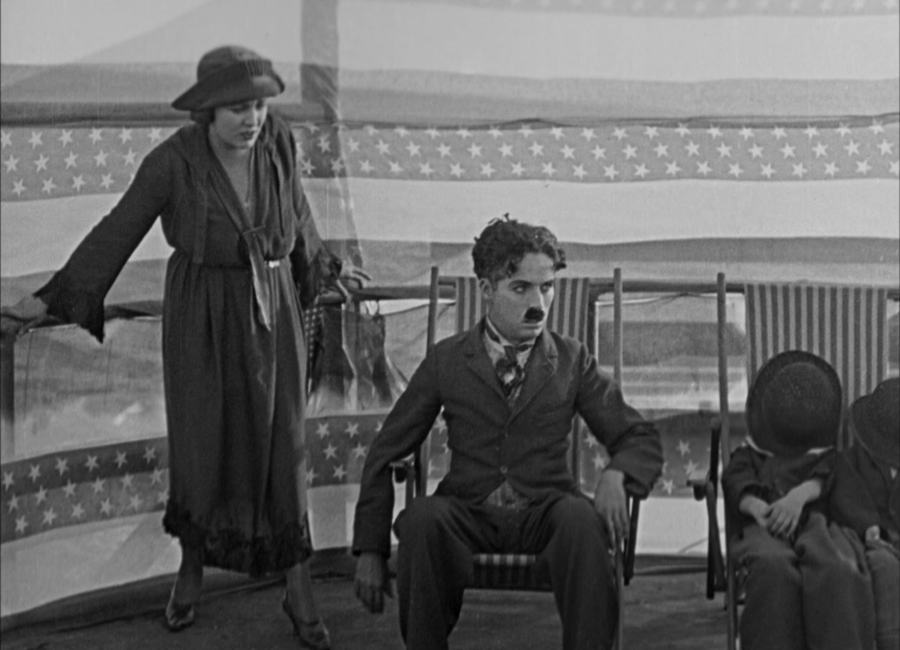
The ferry sequence remains the film’s centrifugal force of chaos. Chaplin exploits the vessel’s pitch and roll not as mere setting but as comedic co-conspirator. The deck becomes a tilting stage where Newtonian laws wage war on dignity. Watch Chaplin’s struggle with a collapsing deck chair – a three-minute epic of unfolding metal and collapsing aspirations. His limbs tangle with the contraption in increasingly improbable configurations, a Sisyphean battle against inanimate malice. Simultaneously, Henry Bergman’s magnificently irate fat man becomes a human seismograph, registering every wave with indignant jowls. The ferry’s oscillations transform casual walks into drunken lurches, turning a prim society matron (Babe London) into an accidental battering ram against Chaplin’s already precarious perch. This isn’t just slapstick; it’s physics as persecution.
Chaplin’s use of children in the film transcends sentimental convention. The boys function as both chaos amplifiers and unwitting projectiles. Their seasickness isn’t played for pathos but as biological inevitability, triggering chain reactions of discomfort. When Raymond Lee’s character succumbs over the railing, his trajectory and subsequent dangling become a grotesque pendulum of parental embarrassment. Chaplin’s attempts at discipline – a stern word, a guiding hand – are effortlessly subverted by the boat’s next lurch or the sudden appearance of a disapproving stranger.
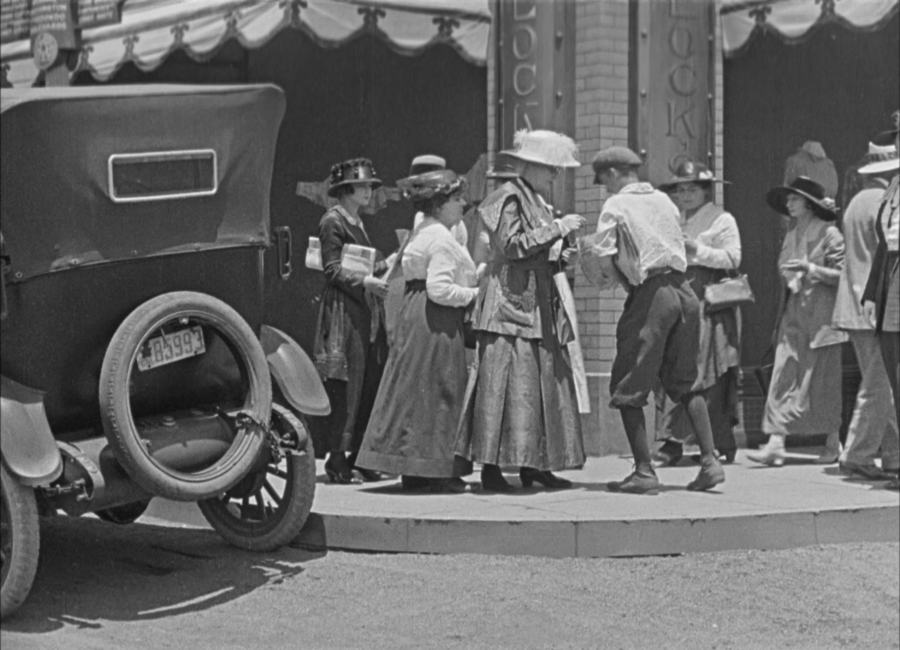
The climactic ice cream sequence crystallizes the outing’s inexorable decline. What begins as a bribe for good behavior escalates into sticky warfare. Chaplin’s intricate dance with two melting cones – attempting simultaneous delivery to squirming children on a moving bench – is a masterclass in escalating disaster. The inevitable smearing of ice cream onto the immaculate trousers of Elmer Ellsworth’s fastidious gentleman isn’t merely a gag; it’s class warfare via dairy product. The gentleman’s escalating outrage, from startled dignity to apoplectic fury, mirrors society’s thin veneer cracking under minor inconveniences. Chaplin’s attempts at remediation (smearing the stain – then compounding it) reveal the fundamental absurdity of social protocols when confronted with primal messiness.
Beyond the laughter lies Chaplin’s sharp commentary. The ferry becomes a floating microcosm of pre-Depression America. The stratified deck seating reflects rigid class structures, all rendered equally ridiculous by the boat’s motion. Society matrons, laborers, immigrants, and businessmen are united not in camaraderie but in shared vulnerability to gravity and nausea. Toraichi Kono’s brief appearance as a deckhand subtly underscores this – his efficient navigation of the chaos contrasting with the passengers’ flailing. Chaplin positions his family as the overwhelmed epicenter, their struggle for simple enjoyment constantly thwarted by environmental hostility and societal friction. The film predates the existential dread of works like Kreutzer Sonata but shares its understanding of domestic spaces as potential battlegrounds.

Chaplin’s direction exhibits balletic precision within apparent pandemonium. Watch the blocking during the ferry scenes: characters ricochet off each other with the inevitability of billiard balls, their paths intersecting at precisely the wrong moments. There’s no wasted motion, only escalating cause-and-effect. This contrasts sharply with the broader, more melodramatic strokes of contemporaneous dramas like The Heart of a Police Officer. Chaplin understands that true comedy arises not from random events, but from the logical progression of minor misfortunes. The camera, often static and observant, acts as a dispassionate witness, allowing the audience to absorb the full scope of the carefully orchestrated disaster unfolding within the frame.
While lacking the overt pathos of The Fortunate Youth or the gothic tension of Das Todesgeheimnis, A Day’s Pleasure derives its resonance from endurance. The father’s facial journey – from optimistic determination through layers of flustered despair to hollow-eyed resignation – is Chaplin’s silent soliloquy on paternal responsibility. His final retreat home, shepherding his sticky, exhausted family, isn’t defeat; it’s survival. The ‘pleasure’ of the title becomes a bitter punchline, yet the family unit persists. This resilience amidst farcical adversity separates Chaplin from mere clowns. It aligns him, surprisingly, with the rural perseverance depicted in Under the Greenwood Tree, albeit filtered through urban exhaustion.

Edna Purviance delivers crucial emotional counterpoint. Her reactions – a stifled laugh at the deck chair debacle, weary dismay at the ice cream catastrophe – ground the absurdity. She is the silent anchor, her expressive eyes registering each disaster with a blend of affection and exhaustion that defines parental love. Henry Bergman, as the perpetually affronted fat man, embodies society’s rigid intolerance for inconvenience. His escalating outrage at Chaplin’s accidental transgressions provides a masterclass in comedic escalation, his jowls trembling with increasingly volcanic indignation. Each supporting player, from the primly horrified society woman to the stoic deckhand, contributes to the feeling of a world inherently resistant to relaxation.
Technically, the film is a marvel of invisible engineering. The ferry set, likely mounted on rockers, achieves remarkably convincing motion. Chaplin’s use of practical effects – the collapsing chair, the projectile children, the strategically placed ice cream – relies on impeccable timing rather than cinematic trickery. This tangibility enhances the comedy; we believe the chair is fighting back. The cinematography favors medium and long shots, allowing the audience to appreciate the spatial relationships essential to the physical humor. Compare this to the more theatrical framing of The Cradle of the Washingtons; Chaplin’s visual language is cinematic, exploiting the frame’s depth and width to orchestrate his gags.
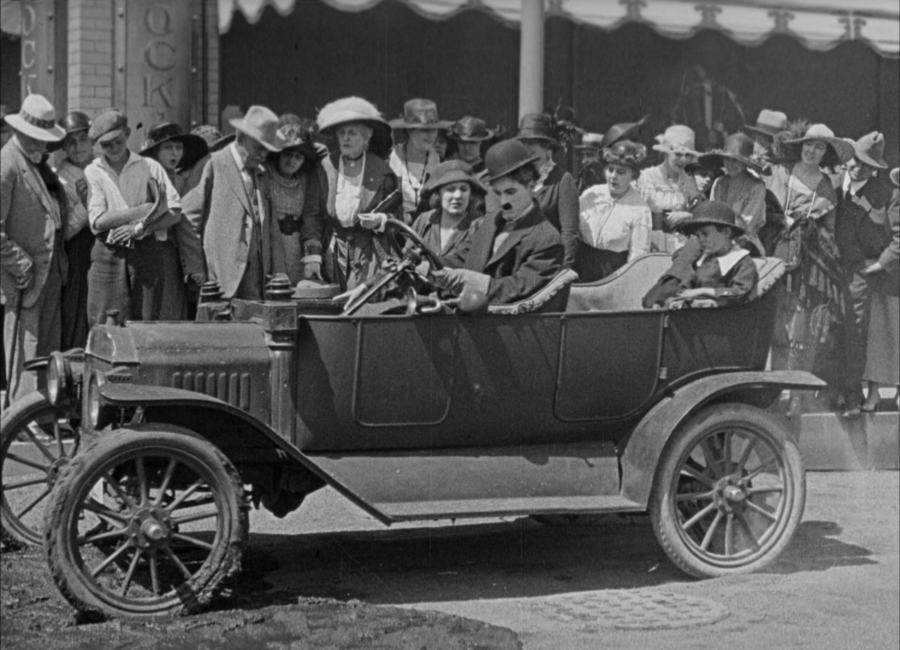
The film’s legacy lies in its universal relatability. Who hasn’t planned an idyllic outing only to confront a cascade of minor disasters? Chaplin elevates this shared experience into high art. The film lacks the overt social critique of his later features, yet it subtly dissects the pressures of modern family life – the societal expectation of performative leisure, the constant friction between intention and reality. It resonates because it exposes the fundamental comedy of striving in an indifferent universe.
The closing moments are devastatingly understated. There’s no grand reconciliation, no restorative sunset. The family simply trudges homeward, burdened by sticky clothes, frayed nerves, and the profound fatigue of survival. The father’s final glance at the camera isn’t a wink but a thousand-yard stare of existential exhaustion. He has navigated the minefield of public expectation, mechanical failure, biological revolt, and social censure. The ‘pleasure’ was illusory; the endurance was real. In this quiet defeat lies the film’s genius. Chaplin doesn’t offer catharsis; he offers recognition. A Day’s Pleasure endures not because it makes us laugh at the family’s plight (though it does, uproariously), but because it makes us recognize the absurd heroism in simply getting through the day. The sea air may have been bracing, the ice cream momentarily sweet, but true satisfaction lies in closing the front door – shutting out the world, its tilting decks, its judgmental matrons, and its treacherous deck chairs – at last.
IMDb 6.8
1929
Community
Log in to comment.