DbcultAccessing Vault...
6.1/10
Senior Film Conservator
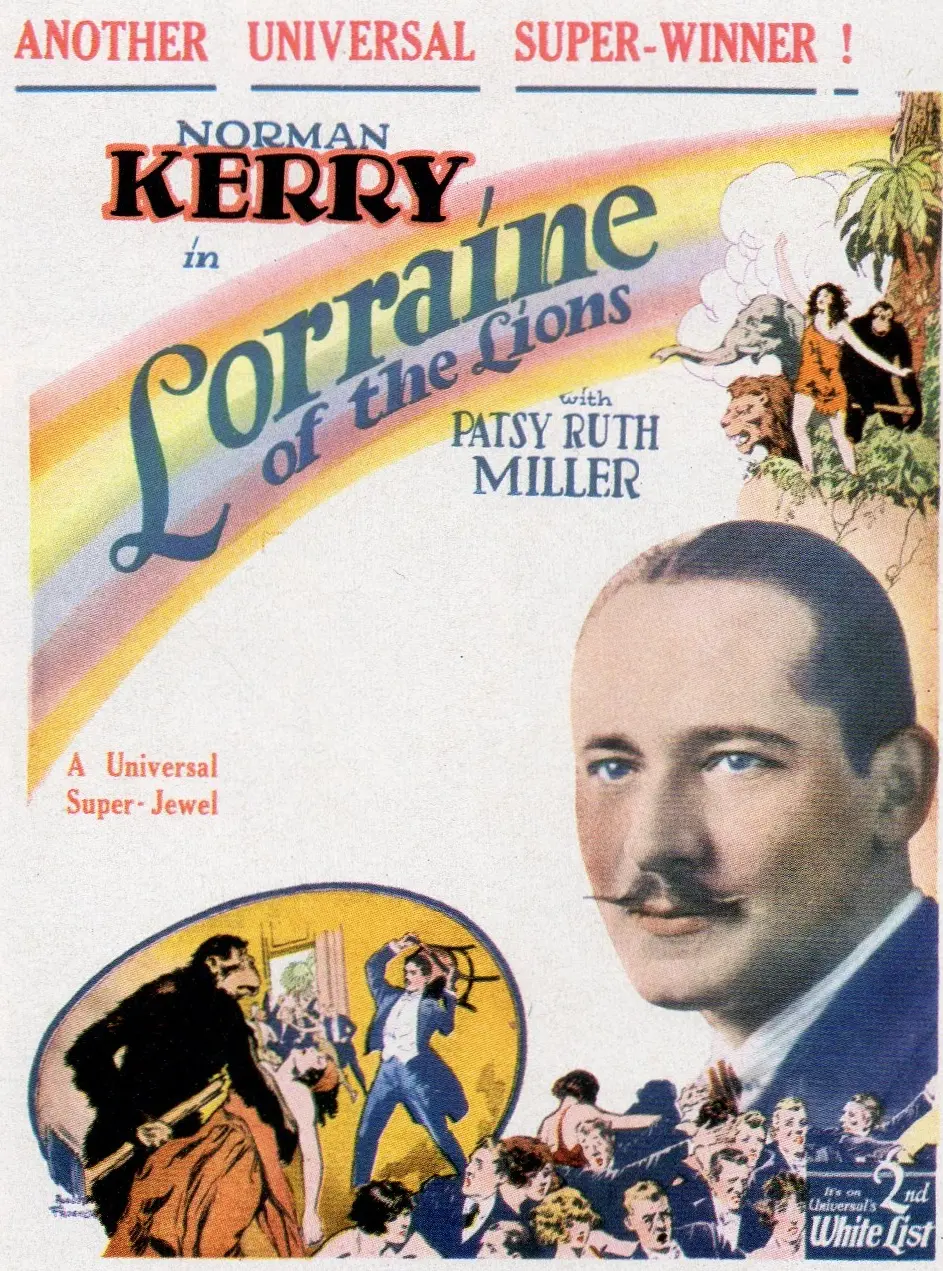
A definitive 6.1/10 rating for a film that redefined the boundaries of cult cinema. Lorraine of the Lions remains a cornerstone of transgressive art.
There's a certain raw, untamed beauty in the silent era's willingness to tackle grand, almost mythological narratives. 'Lorraine of the Lions' isn't just a film; it's an anthropological treatise wrapped in a thrilling adventure, a poignant exploration of what it means to be human when stripped of all human conditioning. Directed with an audacious vision by Carl Krusada and penned with a keen understanding of both wild instinct and societal artifice by Krusada and Isadore Bernstein, this picture delivers a profound meditation on nature versus nurture that resonates far beyond its original release. It’s a compelling, if sometimes discomforting, journey into the heart of an untamed existence and the often-cruel embrace of so-called civilization.
The narrative unfurls with a dramatic maritime tragedy, a touring circus ship succumbing to the capricious whims of the sea. Amidst the chaos and despair, a solitary beacon of innocence, a young girl named Lorraine, played with remarkable conviction in her nascent years by an uncredited child actor and later by the captivating Doreen Turner, is cast adrift. Her salvation comes in the most unexpected form: Bimi, a magnificent gorilla from the very circus that met its watery grave. This initial premise, while fantastical, immediately grounds the film in a powerful emotional reality. Bimi isn't merely an animal; he becomes Lorraine's protector, her teacher, her surrogate parent. Their deserted island, far from being a desolate prison, transforms into a verdant cradle, a sanctuary where the laws of man hold no sway and the rhythm of the wild dictates existence. This early section of the film is a masterclass in visual storytelling, painting a vivid picture of a life lived in harmony with nature, unburdened by the complexities and hypocrisies of the human world. It's a testament to the filmmakers' skill that the bond between Lorraine and Bimi feels utterly authentic, a primal connection forged in the crucible of shared isolation.
Years later, as Lorraine blossoms into a feral yet graceful young woman, the outside world begins its inexorable pull. Her wealthy grandfather, a man haunted by the loss of his granddaughter, refuses to relinquish hope. In a narrative turn that, while common in the melodramas of the era, still retains a certain poetic mystique, he enlists the aid of a psychic. This element, while potentially straining modern credulity, serves as a crucial plot device, a bridge between the rational world and the realm of intuition, guiding the search party to Lorraine's secluded paradise. The arrival of civilization on Lorraine's island is depicted with a palpable sense of intrusion, a jarring disruption of a delicate ecosystem. It's a moment pregnant with dramatic irony, as what is perceived as a rescue by one party is, for Lorraine and Bimi, an abduction, a forceful severance from the only life they've ever known. The scene where Lorraine first encounters other humans, her eyes wide with a mixture of fear and untamed curiosity, is a powerful visual metaphor for the impending culture shock.
The transition from the lush, wild freedom of the island to the bustling, claustrophobic sophistication of San Francisco is where 'Lorraine of the Lions' truly distinguishes itself. This isn't a triumphant return; it's a profound dislocation. Lorraine, now a young woman, is a creature of instinct, her senses honed by the wilderness, her spirit unbroken by societal norms. The attempt to 'civilize' her, to mold her into a proper lady of society, forms the emotional core of the film's second act. Doreen Turner's performance here is nothing short of revelatory. She embodies the wildness with an almost primal intensity, her movements fluid yet wary, her expressions conveying a deep-seated bewilderment and longing for her former life. She is a fascinating parallel to characters found in other films exploring similar themes, albeit with different contexts. One might recall the societal struggles of a character like the protagonist in The Branded Woman, albeit Lorraine's brand is not one of societal judgment but of inherent, untamed nature. The film masterfully illustrates the absurdity of forcing a wild creature into a gilded cage. The elaborate gowns feel like shackles, the polite conversations like incomprehensible gibberish, and the rigid etiquette a cruel mockery of her natural grace.
Bimi's fate, too, is inextricably linked to Lorraine's. Brought back to civilization alongside her, he is not seen as a loving guardian but as a dangerous beast, a spectacle. The film doesn't shy away from depicting the cruelty inherent in human attempts to dominate and control nature. Bimi's confinement, his bewildered expressions, and his eventual struggles against the unnatural environment are heart-wrenching. The bond between him and Lorraine, which was their strength on the island, becomes a source of tension and misunderstanding in San Francisco. Society, represented by characters like Norman Kerry's conflicted suitor and Joseph J. Dowling's well-meaning but ultimately misguided grandfather, cannot comprehend this interspecies devotion. They see only a threat, a deviation from the norm, a wildness that must be tamed or eradicated. This societal fear and misunderstanding are central to the film's tragic undertones, making it a precursor to later cinematic explorations of humanity's often destructive relationship with the animal kingdom.
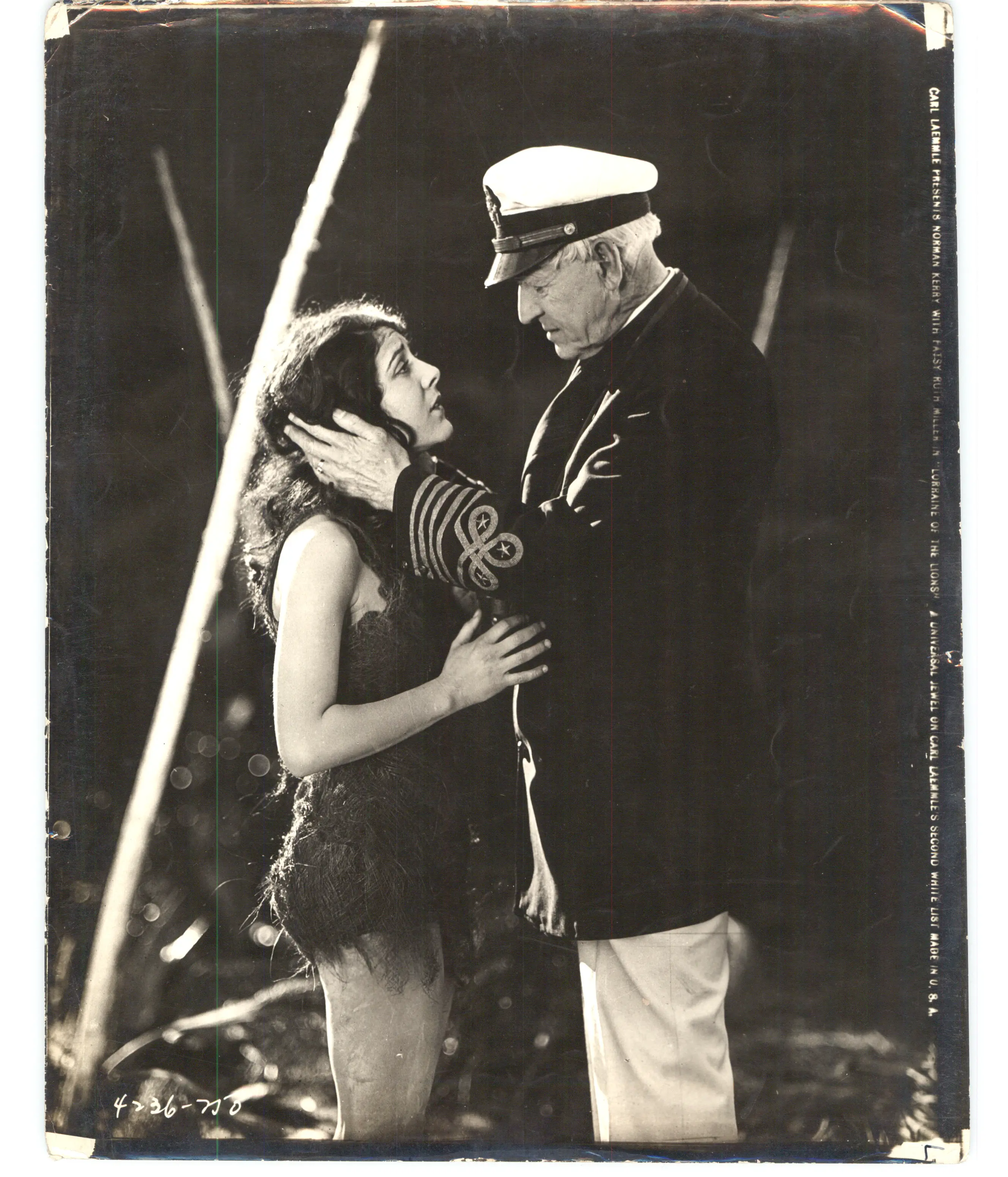
The ensemble cast, a veritable who's who of silent film talent, delivers performances that transcend the absence of spoken dialogue. Doreen Turner, as the adult Lorraine, is the undeniable heart of the film. Her physicality, her nuanced expressions, and her ability to convey a profound sense of alienation and longing make her portrayal unforgettable. She doesn't just act; she embodies the wild spirit struggling against domestication. Norman Kerry, playing a character caught between societal expectations and a burgeoning understanding of Lorraine's unique nature, brings a necessary gravitas and internal conflict to his role. Harry Todd, as the grandfather, conveys a deep paternal love mixed with a frustrating inability to truly understand Lorraine's needs. Joseph J. Dowling, W. Stuart McCrea, Rosemary Cooper, and the rest of the supporting cast, including early appearances by talents like Walter Brennan and Patsy Ruth Miller, fill out this world with believable characters, each contributing to the tapestry of societal pressure and individual struggle. Their reactions to Lorraine, whether of fear, fascination, or genuine affection, serve to highlight the chasm between her world and theirs. The film's reliance on visual storytelling means that every gesture, every facial twitch, every movement carries immense weight, and the cast rises to this challenge with remarkable aplomb.
'Lorraine of the Lions' is a rich tapestry of themes. At its core, it's a powerful argument for the inherent dignity of nature and the potential folly of human intervention. The film asks profound questions: Is civilization truly superior to a life lived in harmony with the natural world? What is lost when we force conformity upon a free spirit? Lorraine's struggle is not merely personal; it's an allegory for the broader conflict between humanity's desire for control and the untameable essence of life itself. The film subtly critiques the superficiality of high society, contrasting its elaborate rituals with the honest, straightforward existence Lorraine knew on her island. The 'things don't work out exactly as planned' aspect of the plot description isn't just a simple understatement; it's the film's tragic conclusion, a recognition that some wounds cannot be healed by a change of scenery, and some spirits cannot be caged. It echoes the profound sense of displacement seen in films like Christopher Columbus, where new worlds are discovered but often at the cost of erasing existing ones.
The film also delves into the complexities of love and attachment. Lorraine's bond with Bimi is portrayed with an unwavering purity that often puts the romantic inclinations of Norman Kerry's character to shame. Her loyalty to her gorilla guardian is a powerful counterpoint to the often-fickle affections and transactional relationships found in the human world. This deep, almost spiritual connection is something society simply cannot process, leading to further alienation and misunderstanding. It's a poignant reminder that love can transcend species, and that true family is often found in the most unexpected places. This thematic depth elevates 'Lorraine of the Lions' beyond mere jungle adventure, cementing its place as a significant piece of early cinema that dared to explore complex psychological and sociological ideas. The narrative also touches upon the concept of the 'noble savage,' a trope that, while problematic in some contexts, is handled here with a genuine empathy for Lorraine's predicament, focusing on her resilience rather than exoticism.
Carl Krusada's direction is bold and expansive, perfectly suited to the epic scope of the story. The island sequences are shot with a keen eye for natural beauty and danger, immersing the viewer in Lorraine's wild existence. The contrast between these lush, free-flowing scenes and the rigid, often stark urban landscapes of San Francisco is meticulously crafted, enhancing the sense of Lorraine's displacement. The cinematography, though characteristic of its era, manages to capture both the grandeur of the wilderness and the suffocating artificiality of the city. There's a particular attention to detail in the framing of shots, often emphasizing Lorraine's isolation even when surrounded by people. The use of close-ups to convey emotion, a burgeoning technique in silent film, is employed effectively, allowing the audience to connect deeply with the characters' internal struggles without the aid of dialogue. The pacing, too, is masterful, allowing moments of quiet contemplation to breathe before accelerating into dramatic confrontations, a skill that could be compared to the deliberate tension-building in a film like The Isle of the Dead, albeit with entirely different thematic goals.
'Lorraine of the Lions' stands as a powerful testament to the storytelling capabilities of the silent era. It's a film that, despite its age, continues to provoke thought and stir emotions. It challenges our preconceived notions of what constitutes 'civilization' and forces us to confront the often-damaging consequences of imposing our will upon the natural world and those who thrive within it. The film's exploration of identity, belonging, and the profound, almost spiritual connection between humans and animals remains remarkably resonant. It’s a narrative that, for all its specific period details, speaks to universal truths about freedom, confinement, and the search for one's true self. While it might not be as widely known as some of its contemporaries, its artistic merit and thematic depth are undeniable. It serves as a potent reminder of cinema's power to transport us to other worlds, both literal and metaphorical, and to hold a mirror up to our own society, revealing its flaws and its profound capacity for both cruelty and compassion. In an age often obsessed with progress, 'Lorraine of the Lions' quietly, yet forcefully, asks us to consider what we might be losing along the way. It's a film that truly deserves rediscovery, a silent roar against the encroaching tide of modernity, a poignant echo of a wild heart yearning for home.
The enduring appeal of 'Lorraine of the Lions' lies not just in its thrilling adventure elements, but in its deeply empathetic portrayal of a character caught between two irreconcilable worlds. It's a film that stays with you, prompting reflection on our own relationship with nature, with societal expectations, and with the fundamental question of where true happiness and belonging truly lie. Its themes are timeless, its performances compelling, and its message, though delivered without spoken word, rings clear and true. For aficionados of classic cinema, and indeed for anyone interested in a story that challenges the very definition of humanity, 'Lorraine of the Lions' is an essential viewing experience, a testament to the enduring power of silent film to tell stories of profound emotional and intellectual depth. It is a cinematic gem that, much like its protagonist, possesses a wild, untamed spirit that refuses to be forgotten.

IMDb 5.6
1929
Community
Log in to comment.