DbcultAccessing Vault...
Cult Review
Senior Film Conservator
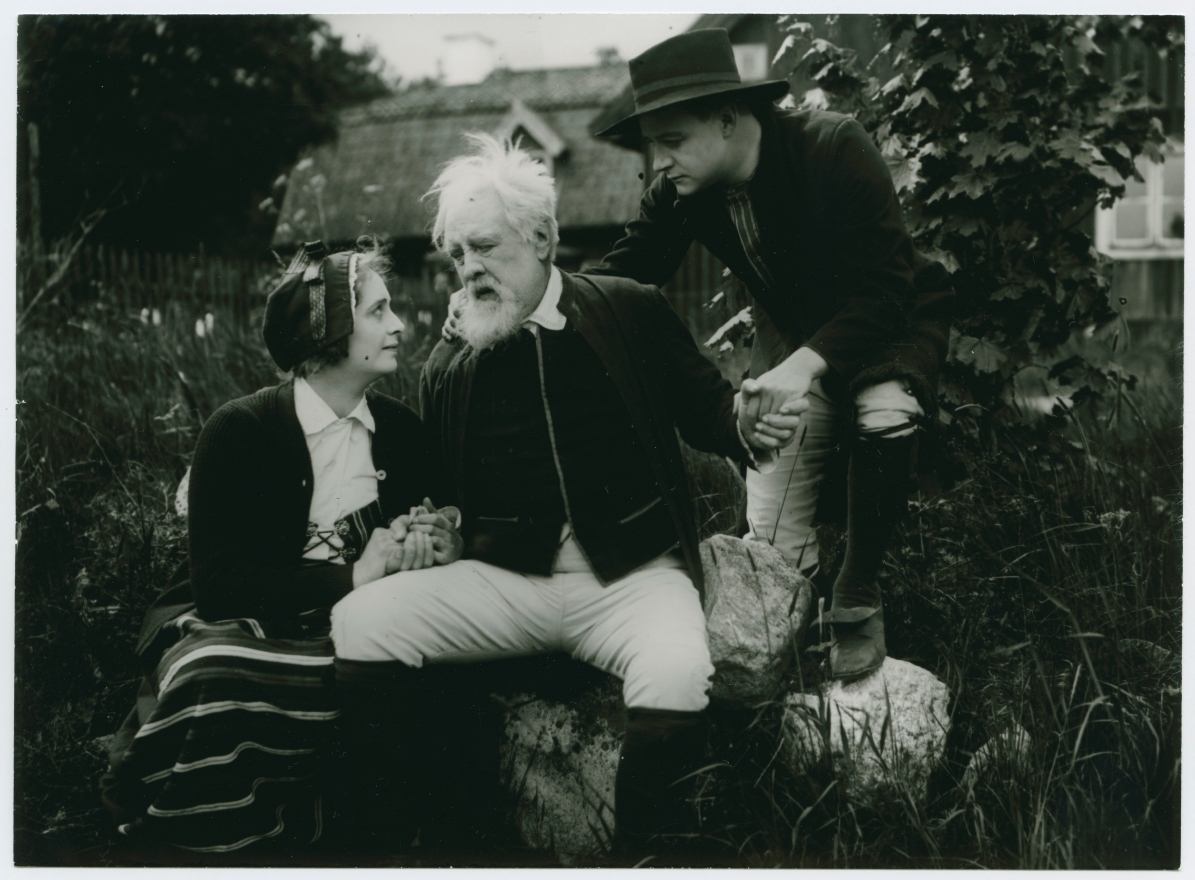
Victor Sjöström’s Sonad skuld is the kind of film that slips through the cracks of film history like melt-water through granite—quiet, relentless, and capable of carving unexpected hollows in your chest.
Shot in 1923, two years after the director’s canonical The Silence of Dean Maitland and smack in the middle of Sweden’s short-lived but feverish boom in rural melodrama, this 74-minute one-reeler feels both antique and alarmingly contemporary. Where Hollywood was busy glamorizing flappers and jazz, Sjöström turned his camera toward the stink of churned soil, the rasp of unpaid bills, the particular loneliness of a man who has outlived his own usefulness.
Forget the logline you skimmed on IMDb—“widower Stensson lives a happy life on his farm with his two children”—because happiness here is a mirage glimpsed only in the rear-view mirror of memory. The film’s first third is a haiku of agrarian routine: rye sheaves sagging like old men’s shoulders, milk pans catching the copper spill of sunset, a boy and girl arguing over who gets to ring the iron triangle that calls the fieldhands to supper. Sjöström lingers on these textures until the audience can almost smell the sour dough fermenting in the pine trough.
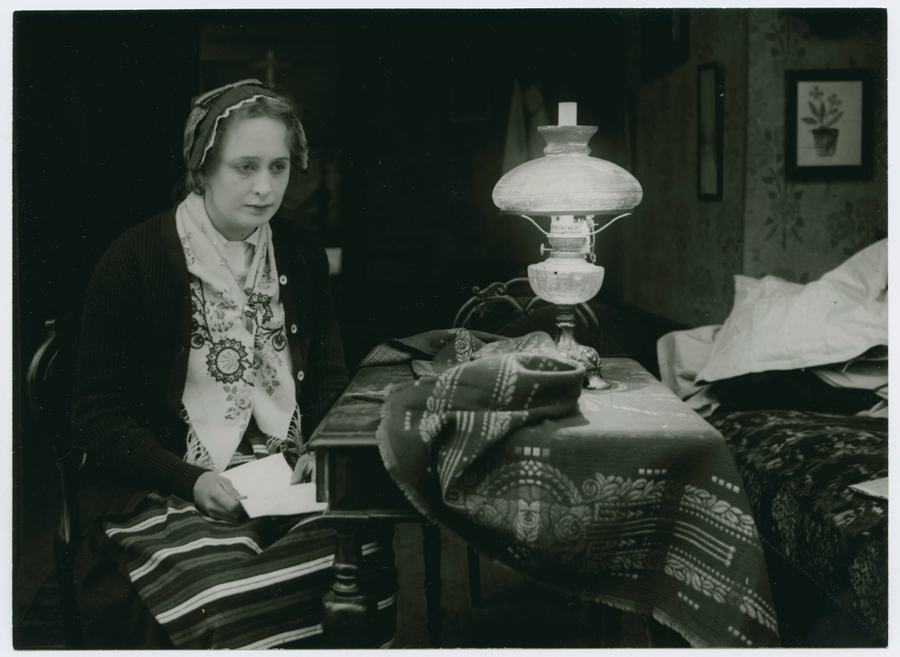
Then the ledger arrives, a parchment death-warrant delivered by a bailiff whose carriage wheels squeak like a hinge on a coffin lid. From that moment, every frame is a countdown. A cow is led away by a new owner who avoids Stensson’s eyes. The children’s pet lamb is swapped for a sack of barley that will last—if rationed with monastic precision—until Candlemas. Even the seasons conspire: autumn rain drills through the thatch, winter frost splits the well-bucket, spring floods drown the seed grain. Nature, usually a benevolent backdrop in silent pastoral, becomes an accomplice in the family’s dissolution.
John Ekman’s Stensson is a study in implosion. Watch the way his ribcage collapses inward when the auctioneer’s gavel falls—no tears, just the slow deflation of a soul escaping through the mouth. In medium close-up, Ekman lets the left corner of his lip twitch exactly three times; it’s the Morse code of a man who has forgotten how to beg. Compare that to his fire-and-brimstone preacher in Dean Maitland and you’ll see an actor capable of both volcanic eruption and arctic shutdown.
Stina Berg, playing the unnamed neighbor who brings bread and gossip in equal measure, delivers the film’s most chilling line without words: she sets the loaf on the table, notices the children’s bare feet, and her fingers drum once—tap—on the crust as if testing for poison. The gesture lasts maybe two seconds, yet it contains whole volumes of parish pity.
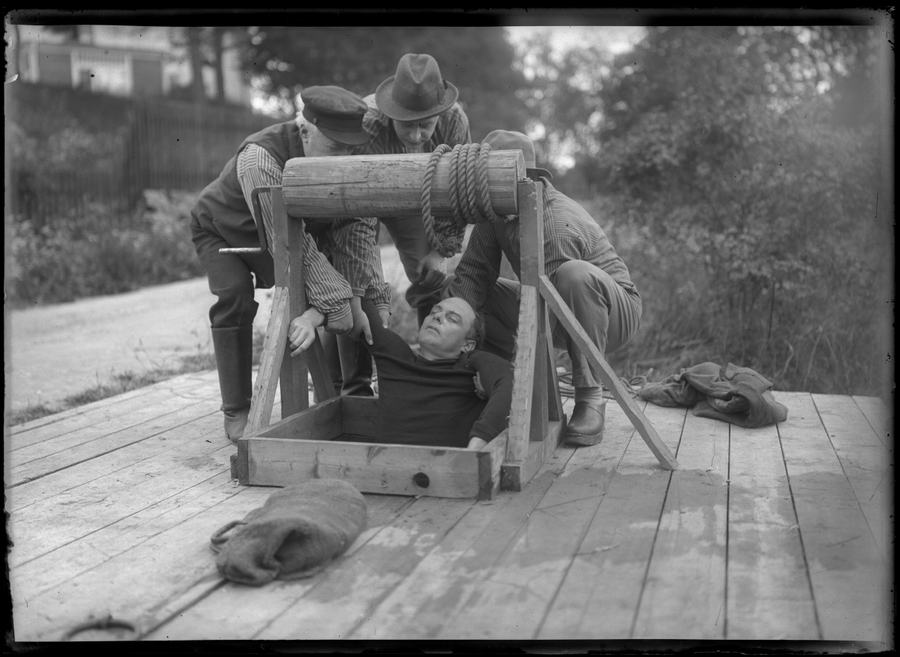
Greta Almroth, barely sixteen during production, embodies the elder daughter’s premature adulthood. In a late scene she trades her only dress—white muslin embroidered with cornflowers—for a slab of salt pork. The transaction happens off-camera; we simply see her re-enter the cabin in petticoat and shawl, eyes redder than the meat she carries. It’s the inverse of the Cinderella myth: the pumpkin becomes a coffin, the ball becomes starvation.
Sjöström and cinematographer Julius Jaenzon shoot interiors like caverns: low-ceilinged, chiaroscuro, with door-frames that yawn like jawbones. They borrow the Scandinavian concept of skumring—the blue hour when day bleeds into night—and stretch it until entire sequences feel submerged in bruised twilight. Note the moment Stensson pawns his pocket-watch: Jaenzon racks focus from the ticking brass to the pawnbroker’s face, but the depth of field is so shallow the man’s eyes blur into coins, suggesting that time and money have fused into a single predatory entity.
Exteriors, by contrast, are brutally lucid. Fields roll toward horizons that seem unattainably distant, a visual reminder that land ownership is a cruel joke when creditors redraw borders on paper. In one unforgettable iris-shot, the children watch their father plow the final furrow; the circular mask shrinks until only the plowshare remains, a silver blade slicing the frame in half—an agricultural guillotine.
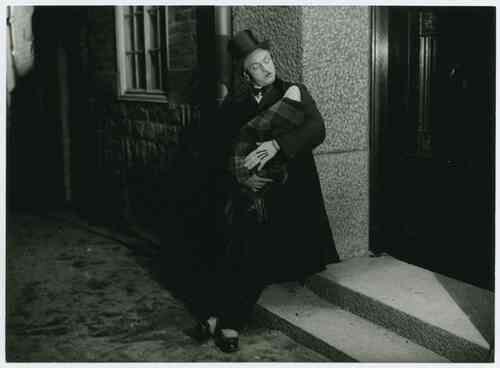
The Swedish intertitles, when translated, read like fragments of a Lutheran hymn written on the back of an eviction notice:
“The Lord giveth… but the bank claimeth interest.”
They appear sparingly—Sjöström trusts faces more than words—yet each card is a small detonation. One title, superimposed over a shot of cracked crockery, simply states: “Debt is a cracked bowl that will not hold grace.” Try finding that in a modern screenwriting manual.
Most prints circulated without a musical cue sheet, and many exhibitors projected it mute, letting the clatter of the projector become the film’s unofficial score. In today’s restorations, the Stockholm Cinematheque commissioned a minimalist quintet—viola, nyckelharpa, harmonium, spoon-percussion, and the rasp of a wool sweater rubbed against a microphone. The result underscores the film’s austerity without romanticizing it; melodies trail off like breath on a sub-zero morning.
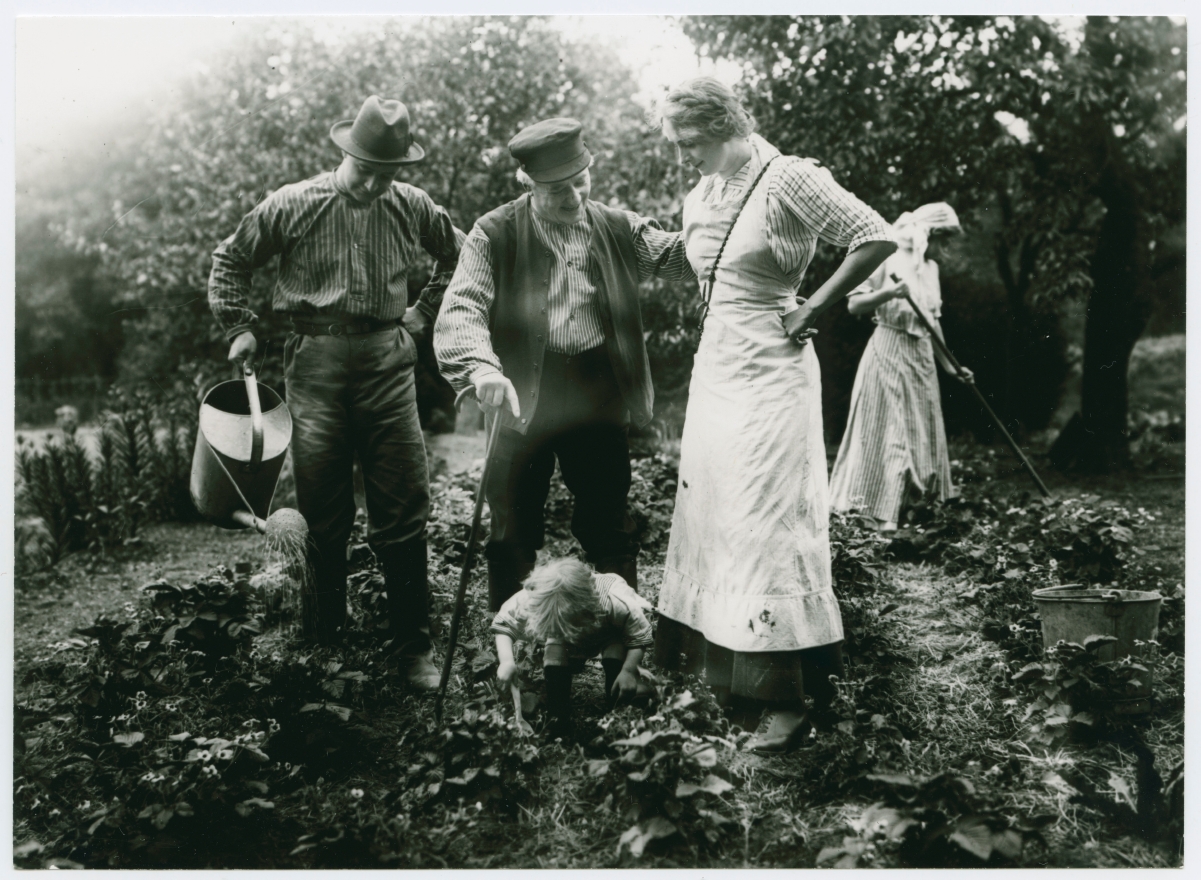
Critics often bracket Sonad skuld with Sjöström’s own Dean Maitland because both hinge on guilt metastasizing across generations. Yet where Maitland’s clergyman is shackled to a lie that explodes in operatic fashion, Stensson’s crime is statistical banality: he borrows at 8 % interest. The tragedy is not divine retribution but compound math. In that sense the film converses more naturally with Judge Not’s mining-camp destitution or even A Butterfly on the Wheel, where middle-class respectability unravels thread by thread.
If you squint, you can also detect DNA shared with Salainen perintömääräys: both Nordic silents treat inheritance as a curse dressed up as blessing, both stage final reckonings in near-darkness thick as tar.
For decades the only extant copy was a 9.5 mm Pathé-Baby abridgement sold to hobbyists in 1928—four minutes, spliced upside-down at one point, with Dutch intertitles that turned Swedish farmsteads into cheese markets. Then, in 2019, a nearly-complete 35 mm nitrate negative surfaced in the attic of a defunct cinema in Hälsingland. The Swedish Film Institute performed a 4K wet-gate scan, removing mold blooms that looked like lunar craters. The restored print premiered at Le Giornate del Cinema Muto in 2022 with live accompaniment, and it is this version currently touring arthouses; do yourself a favor and resist the 240p YouTube upload that looks like it was shot through a jar of honey.
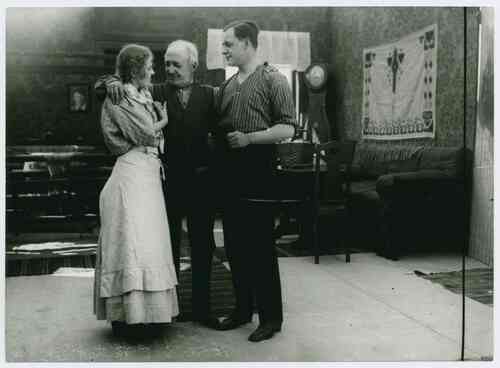
We live in an era where gig-economy algorithms can freeze a bank account faster than any mustache-twirling landlord. Watching Stensson’s downfall in 2024 feels like peering into a black-and-white mirror: the language of default notices may have swapped Gothic serif for Helvetica, but the terror remains identically calibrated. The film’s refusal to grant a last-minute reprieve—no sudden inheritance, no benevolent squire—makes it a bracing antidote to the redemptive arc Hollywood still peddles.
Sonad skuld is not flawless. Mid-film pacing droops like a tired horse, and one subplot involving a wandering knife-grinder vanishes so abruptly you suspect censorship. Yet its cumulative effect is devastating precisely because it denies catharsis; instead you get the dull ache of recognition. Long after credits—yes, modern restorations added tasteful credits—you will find yourself inventorying your own assets: the roof you rent, the car on loan, the phone bought in installments. And you will understand, with a clarity that chills the marrow, that Stensson’s world is separated from yours by a single missed paycheck.
Seek out the restoration. Watch it on the largest screen you can find. And when the lights come up, try not to look at your hands—they might already be empty.
IMDb —
1914
Community
Log in to comment.