Is 'Low Tide' worth revisiting today? Short answer: absolutely, but with significant caveats that demand a specific kind of viewer. This film is a fascinating, if uneven, relic best suited for cinephiles with an appreciation for early silent cinema's raw energy and experimental spirit, particularly those interested in the nascent stages of American comedy and melodrama. It is decidedly not for audiences expecting modern narrative pacing, polished performances, or a straightforward genre experience.
This film works because of its audacious blend of slapstick humor and genuine peril, anchored by James T. Kelley's surprisingly nuanced performance amidst the chaos. It fails because its narrative structure often feels more like a series of vignettes than a cohesive story, with tonal shifts that can be jarring for contemporary viewers. You should watch it if you're a film historian, a silent cinema enthusiast, or simply curious about the foundational elements of American filmmaking, willing to overlook its rough edges for glimpses of brilliance.
A Glimpse into Early Cinematic Chaos
'Low Tide,' a film from an era when cinema was still finding its voice, presents a curious mélange of genres, oscillating between a domestic comedy of manners and a rather abrupt crime thriller. It’s a testament to the period’s freewheeling approach to storytelling, where narrative coherence often took a backseat to visual gags and dramatic flourishes. The film, in essence, is a charmingly chaotic portrait of a man trying to outrun his troubles, only to find new ones blossoming in his supposed sanctuary.
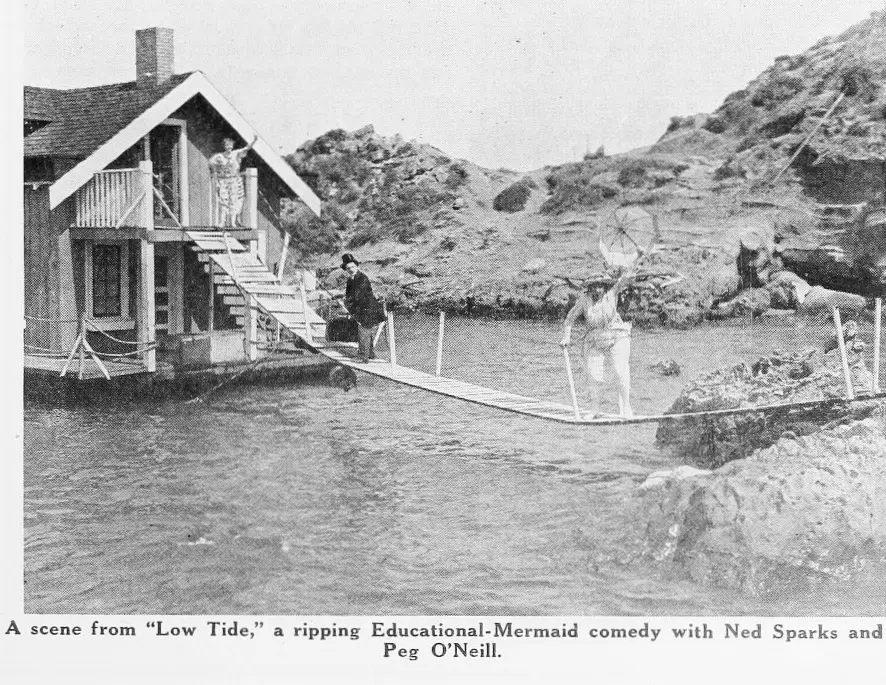
The premise is deceptively simple: our hero, played by the often-understated James T. Kelley, is on the lam from a menacing gangster. His chosen hideout is a houseboat, a symbol of isolation and temporary peace, shared with his wife and daughter. This initial setup promises a quiet, almost idyllic escape, a stark contrast to the danger lurking just beyond the frame. But as any good silent film knows, peace is merely a prelude to pandemonium.
The Unfolding Farce: Plot and Pacing
The narrative truly ignites with the arrival of the mother-in-law and an assortment of neighbors. This influx of characters transforms the intimate houseboat setting into a microcosm of societal interaction, where personal space is invaded and social hierarchies subtly asserted. The film’s pacing, initially languid, picks up considerably here, propelled by the comedic potential of cramped living quarters and clashing personalities.
Scene from Low Tide
Cinematic perspective: Exploring the visual vocabulary of Low Tide (1925) through its definitive frames.
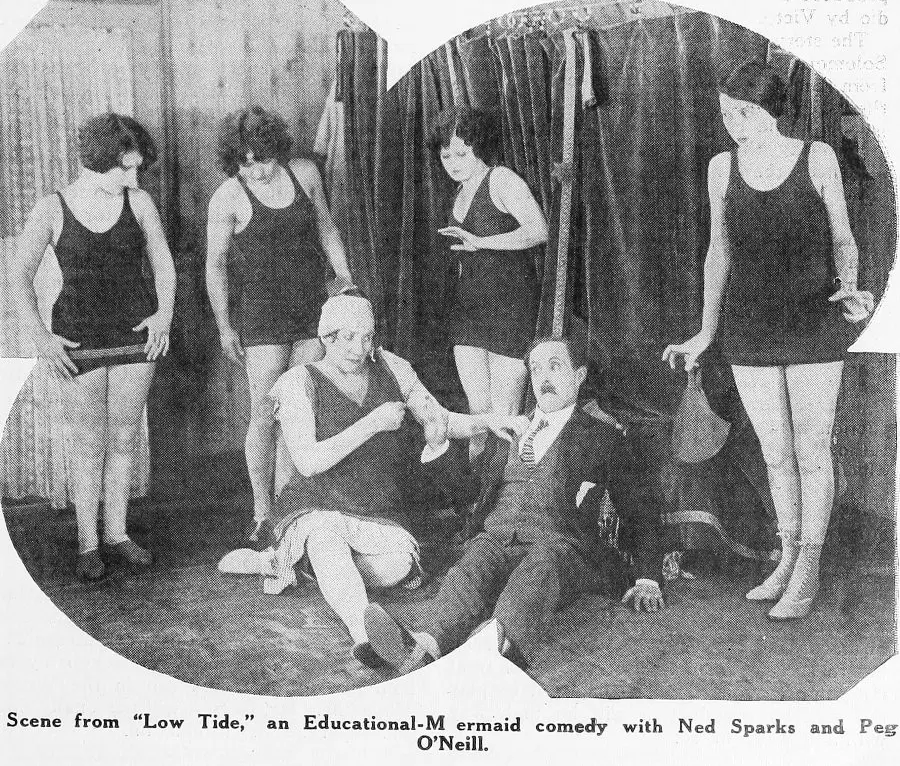
What follows is a series of escalating domestic squabbles, punctuated by the curious detail of 'jealousy over chic girls in bathing costumes.' This specific plot point, seemingly minor, is surprisingly telling. It hints at the societal anxieties of the time, the nascent commodification of beauty, and the often-fragile male ego. It’s a moment that, perhaps unintentionally, offers a window into early 20th-century gender dynamics, making the film more than just a simple chase narrative.
The transition from this lighthearted, albeit tension-laden, domestic farce to the sudden reappearance of the gangster is jarring. It’s a tonal whiplash characteristic of many early silent films, where subtlety in genre blending was not yet a refined art. One moment, we’re observing petty rivalries; the next, a rain of bullets. This abrupt shift, while disorienting, also provides a raw, visceral thrill that contemporary audiences might find surprisingly effective, a stark reminder of the protagonist's ever-present danger.
Performances That Anchor the Absurdity
The strength of 'Low Tide' largely rests on its cast, particularly James T. Kelley. Known for his work alongside giants like Charlie Chaplin in films such as The Idle Class, Kelley brings a grounded weariness to his character that elevates the material beyond mere slapstick. His physical comedy isn't overtly broad; instead, it's often a reaction to the escalating absurdity around him, a subtle exasperation that is genuinely endearing. Observe his subtle eye-rolls when the mother-in-law begins her tirades – it’s a masterclass in understated comedic timing.
Peggy O'Neil, as the wife, offers a quiet stability, a necessary counterpoint to the film's prevailing chaos. Her performance is less about grand gestures and more about conveying concern and resilience through subtle expressions, a testament to the nuanced acting required in the silent era. She grounds the family unit, making their peril feel more tangible when the gangster inevitably returns.
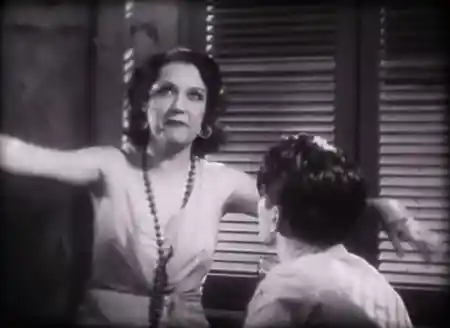
Louise Carver, playing the mother-in-law, is a scene-stealer. Her domineering presence and the implied comedic friction she creates are palpable, even without dialogue. She embodies the archetypal meddling relative, a trope that resonates even today. Her very posture, often rigid and disapproving, communicates volumes, proving that powerful performances don't always require a speaking part.
Scene from Low Tide
Cinematic perspective: Exploring the visual vocabulary of Low Tide (1925) through its definitive frames.
Ned Sparks, known for his deadpan delivery in later talkies, here demonstrates an early aptitude for understated comedic timing. While his role might be smaller, his ability to convey a sense of world-weariness or mild annoyance with just a glance is remarkable. Eddie Baker, in his more villainous turn, manages to project a menacing aura despite the relatively rudimentary filmmaking techniques of the period, making the final confrontation genuinely tense.
Direction and Cinematography: Crafting a Visual Narrative
The direction, while not groundbreaking by today's standards, effectively utilizes the constraints of early cinema. The houseboat setting itself becomes a character, its confined spaces amplifying the comedic and dramatic tensions. Close-ups are employed sparingly but effectively to convey emotional beats, particularly during moments of jealousy or fear. The use of intertitles is functional, guiding the audience through the plot while allowing the visual storytelling to take precedence.
Cinematography of the era, largely static, still manages to capture the essence of the setting. The shots of the water, the sun glinting off the surfaces, create a sense of place that is both tranquil and, paradoxically, claustrophobic. The visual language of the film relies heavily on physical comedy and exaggerated reactions, a hallmark of silent-era filmmaking. The 'rain of bullets' sequence, while simple in its execution, effectively conveys the urgency and danger of the hero's escape, a precursor to more sophisticated action sequences in films like Shackles of Fear.
One surprising observation is how the film's visual humor often relies on the disruption of an expected domestic idyll. The calm of the houseboat is repeatedly broken by the intrusion of external forces, whether it's the overbearing mother-in-law or the looming threat of the gangster. This juxtaposition creates a unique tension, a constant push-pull between serenity and chaos that defines the film's peculiar charm.
Is 'Low Tide' Worth Watching Today?
Yes, 'Low Tide' is absolutely worth watching, but with a critical eye and an appreciation for its historical context. It’s not a flawless film by any stretch; its narrative can be disjointed, and its comedic beats occasionally fall flat for modern sensibilities. However, its value lies in its portrayal of early cinematic conventions, its charming performances, and its unique blend of genres. It’s a snapshot of a filmmaking era that was bold, experimental, and often wonderfully unpolished.
This film offers a compelling case study for how silent cinema tackled both comedy and suspense with limited tools. It’s a testament to the ingenuity of early filmmakers and performers who had to convey complex emotions and narratives without spoken dialogue. For anyone interested in the evolution of film, 'Low Tide' provides crucial insights into the building blocks of storytelling that we often take for granted today.
Pros and Cons
Pros: Engaging central performance by James T. Kelley, offering a blend of weariness and physical comedy.
The unique houseboat setting provides a fresh backdrop for both comedy and tension.
Offers valuable insight into the narrative and stylistic conventions of early silent