DbcultAccessing Vault...
Cult Review
Senior Film Conservator
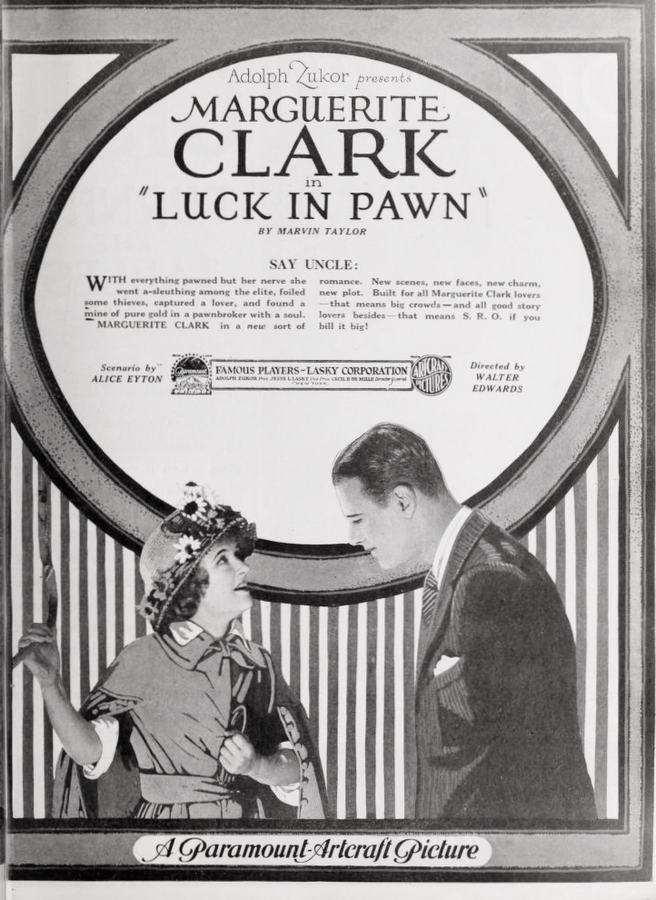
Emerging from the vibrant, yet often tumultuous, landscape of early 20th-century cinema, Luck in Pawn (1919) stands as a compelling testament to the enduring power of silent film to weave intricate narratives of human ambition, societal stratification, and the unpredictable currents of fate. Directed with a keen eye for dramatic tension and character nuance, this cinematic artifact, penned by the collaborative talents of Alice Eyton and Marvin Taylor, plunges viewers into a world where artistic integrity clashes with commercial necessity, and where the pursuit of love and social acceptance often necessitates a delicate dance with deception. It is a film that, even a century later, resonates with a timeless exploration of identity, class, and the lengths to which individuals will go to secure a better future, not just for themselves, but for those they cherish most.
At the heart of this poignant drama is Annabel, portrayed with a compelling blend of vulnerability and nascent resolve by Leota Lorraine. Annabel is an artist, her spirit aflame with creative potential, yet shackled by the harsh realities of her humble origins. Her journey from the quiet, arduous existence of a farm to the bustling, indifferent art galleries of New York is a testament to the colossal sacrifice of her mother, Mrs. Lee (Lydia Knott), whose tireless labor serves as the bedrock for Annabel’s aspirations. This familial devotion, depicted without saccharine sentimentality, forms the emotional core of the film, highlighting the often-unseen struggles that underpin artistic pursuits. The film masterfully illustrates the crushing weight of expectation and the brutal indifference of the market; Annabel's inability to sell more than a solitary painting casts a long shadow over her dreams, pushing her to the precipice of relinquishing her brushes forever. This struggle, a perennial theme in art, is rendered with a quiet dignity, showcasing Lorraine's ability to convey deep emotional turmoil through the expressive pantomime characteristic of the silent era.
Desperation, however, often breeds audacious gambits. Annabel's decision to pawn a cherished locket – a tangible symbol of her past and perhaps her dwindling hope – to finance a trip to a fashionable resort speaks volumes about her unwavering, albeit fragile, commitment to her craft. Her quest: to seek the unvarnished truth from a celebrated artist whose judgment, she believes, will either validate her path or condemn it. The ensuing appraisal is devastatingly frank, a brutal pronouncement that her talent, while perhaps genuine, will never translate into financial success. This scene is a pivotal moment, a crushing blow that leaves Annabel poised to abandon her artistic odyssey and retreat to the familiar solace of home. It’s here that the film introduces the titular element of 'luck', albeit in a form disguised as serendipity and ulterior motives.
Enter Richard Norton, portrayed by the charismatic Charles Meredith, a multi-millionaire whose ennui with the gilded cage of high society makes him susceptible to the genuine, unpretentious charm of Annabel. A friend of the esteemed artist, Richard becomes Annabel's unexpected advocate, persuading her to remain at the resort, his burgeoning affection for her serving as a powerful, if complicated, catalyst. Meredith imbues Richard with an appealing blend of sophistication and an underlying yearning for something beyond his privileged existence, making his sudden infatuation with Annabel believable, rather than merely a plot contrivance. His initial act of kindness quickly blossoms into a deeper romantic attachment, setting the stage for the intricate web of social maneuverings that will define the latter half of the narrative.
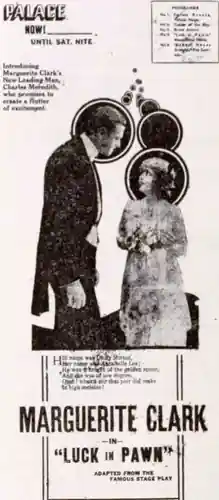
Richard's desire to integrate Annabel into his world necessitates an introduction to his formidable mother, Mrs. Norton (Lillian Langdon), a matriarch whose social standing is paramount. To bridge the chasm of class difference, Annabel is presented as the sister of a friend – a seemingly innocuous fib that soon unravels into a complex charade. The arrival of Mr. Armsberg, Annabel's original pawnbroker, adds a delicious layer of ironic complication. John Steppling, in the role of Armsberg, delivers a performance that oscillates between opportunistic cunning and a surprising, almost endearing, desperation for social ascent. Armsberg, recognizing an unparalleled opportunity to infiltrate the upper echelons of society, proposes a Faustian bargain: he will finance Annabel's continued stay if she introduces him as her distinguished uncle. This subplot, reminiscent of the identity games and class aspirations explored in films like A Fugitive from Matrimony, where characters adopt new personas to navigate social landscapes, elevates the drama from a simple romance to a biting commentary on the performative nature of class.
The precarious edifice of Annabel’s fabricated identity inevitably faces its greatest threat in the form of Mrs. Vance (Myrtle Rishell), a calculating social climber with her own designs on Richard for her daughter. Rishell portrays Mrs. Vance with a delightful, almost cartoonish, villainy that perfectly suits the dramatic conventions of the era. Her revelation of Armsberg’s true identity to Mrs. Norton threatens to dismantle Annabel’s entire carefully constructed world, exposing her as a fraud and jeopardizing her burgeoning romance with Richard. This moment of crisis is brilliantly handled, building tension through subtle glances and heightened gestures that speak volumes without a single uttered word. The silent film's reliance on visual storytelling is particularly effective here, as the audience is privy to the characters' internal turmoil and the swift shift in social dynamics.
However, Luck in Pawn, true to its title, delivers an unexpected twist. In a masterful stroke of narrative economy, Armsberg, cornered and facing social ruin, turns the tables. He reveals that Mrs. Vance’s own husband, Mr. Vance (Thomas Persse), had attempted to pawn a collection of phony jewels, exposing the hypocrisy of those who sought to judge Annabel. This dramatic disclosure not only salvages Annabel's reputation but also casts a critical light on the moral failings of the supposed upper crust. Mrs. Norton, confronted with the glaring duplicity of her peers, and perhaps swayed by her son's genuine affection, accepts Annabel as Richard's fiancée. This resolution, while perhaps tidily convenient, provides a satisfying triumph for genuine character over superficial appearances, a theme that resonates across many silent era dramas, including those with a strong social commentary like The Man Who Beat Dan Dolan, which also explores the vindication of a protagonist against societal odds.
Luck in Pawn is far more than a simple romantic drama; it's a nuanced dissection of early 20th-century American society. The film acutely observes the rigid class distinctions that governed social interaction, where one's birthright often superseded personal merit. Annabel’s journey is a microcosm of the immigrant experience or the striving artist, attempting to transcend her origins in a world obsessed with lineage and wealth. The narrative skillfully employs deception as a tool for both social climbing and self-preservation, posing questions about the ethics of such maneuvers when driven by genuine affection and noble aspirations. The film subtly suggests that true worth lies not in inherited wealth or social status, but in character, integrity, and the capacity for love. This thematic depth, exploring the clash between rural authenticity and urban artifice, can be seen in parallel with films like The Call of the Cumberlands, which also grappled with characters navigating different societal strata and values.
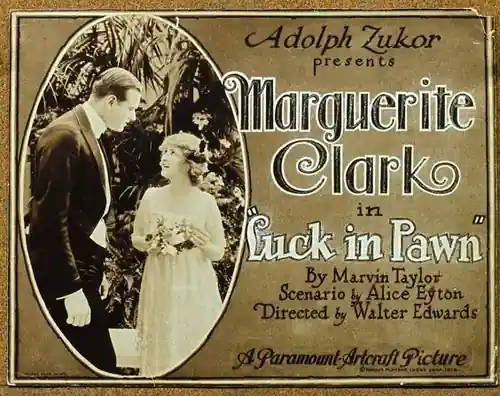
The strength of Luck in Pawn lies significantly in its ensemble cast. Leota Lorraine, as Annabel, carries the emotional weight of the film with grace and conviction. Her expressions, ranging from hopeful determination to profound despair and ultimately, joyous relief, are a masterclass in silent film acting. Charles Meredith's portrayal of Richard Norton is equally commendable, infusing the character with a sincerity that elevates him beyond the typical 'rich suitor' archetype. John Steppling's Mr. Armsberg is a standout, providing comic relief while simultaneously embodying the poignant ambition of a man striving for acceptance. Lillian Langdon as Mrs. Norton and Myrtle Rishell as Mrs. Vance round out the principal cast, delivering performances that are both archetypal and engaging, perfectly capturing the societal roles they inhabit.
The direction, guided by the screenplay of Alice Eyton and Marvin Taylor, is fluid and engaging, maintaining a steady pace that allows the intricate plot to unfold naturally. The visual storytelling, a cornerstone of silent cinema, is effectively utilized, with close-ups emphasizing emotional moments and wider shots establishing the social milieu. While the technical sophistication might seem rudimentary by modern standards, the film's ability to convey complex emotions and narrative twists through pantomime and intertitles is a testament to the artistry of the era. The narrative structure, with its escalating stakes and dramatic reversals, keeps the audience invested, a hallmark of well-crafted silent dramas that often rivaled the narrative complexity of their literary counterparts. The use of visual metaphors, like the locket, adds a layer of symbolic richness to the storytelling, a technique often employed to great effect in films like The Recoil, where objects carry significant narrative weight.
Luck in Pawn is more than just a historical curiosity; it’s a vibrant piece of cinematic heritage that offers valuable insights into the social anxieties and romantic ideals of its time. It captures the essence of a period when cinema was rapidly evolving, experimenting with narrative forms and character archetypes that would lay the groundwork for decades of filmmaking to come. Its exploration of identity, class barriers, and the pursuit of happiness remains remarkably relevant, echoing contemporary narratives where individuals navigate complex social landscapes and strive for authenticity in a world often defined by superficiality. Comparing its narrative of a woman navigating societal expectations to find love and acceptance, one might draw parallels with the spirited heroines of films like A Regular Girl or The Valentine Girl, where charm and wit are often as crucial as wealth or lineage.
The film's quiet charm, coupled with its engaging plot and strong performances, makes it a rewarding watch for enthusiasts of silent cinema and anyone interested in the foundational narratives of Hollywood. It reminds us that even without spoken dialogue, the human story — with all its complexities, deceptions, and moments of genuine triumph — can be told with profound resonance. The intricate plotting, particularly the clever resolution brought about by Armsberg's unexpected revelation, demonstrates a sophisticated understanding of dramatic structure that belies the film's early production date. It's a testament to the ingenuity of early filmmakers and screenwriters like Eyton and Taylor, who crafted stories that captivated audiences through visual eloquence and universal themes. In an era where films like A Message from Mars experimented with fantastical elements to convey moral lessons, Luck in Pawn grounds its message in the very real, very human struggles of aspiration and acceptance.
Ultimately, Luck in Pawn is a delightful discovery, a film that encapsulates the spirit of its era while delivering a story that continues to charm and provoke thought. It is a reminder of the enduring allure of silent cinema, an art form that, in its unique constraints, often found its most powerful expressions of humanity.
IMDb 5
1919
Community
Log in to comment.