DbcultAccessing Vault...
4.8/10
Senior Film Conservator
A definitive 4.8/10 rating for a film that redefined the boundaries of cult cinema. Mad Hour remains a cornerstone of transgressive art.
'Mad Hour' is a tough one to recommend broadly today. If you’re a devout silent film enthusiast, particularly those with a soft spot for the snappy, slightly melodramatic flapper stories that crowded the screens in the late 20s, then sure, give it a look. It offers a curious glimpse into that specific moment. But if you’re just looking for a casual movie night or something with modern pacing, you will probably bounce off this hard. Anyone expecting the more polished, later silents or early talkies will find it a real slog.
The film itself feels like a collection of ideas from the era, stitched together. Alice White, as the central figure, is all wide-eyed mischief and boundless energy. She plays the type of character she was known for, always on the cusp of trouble but with a good heart underneath. Her performance is probably the most consistent thing here, even when the scenes around her feel like they're trying to catch up.
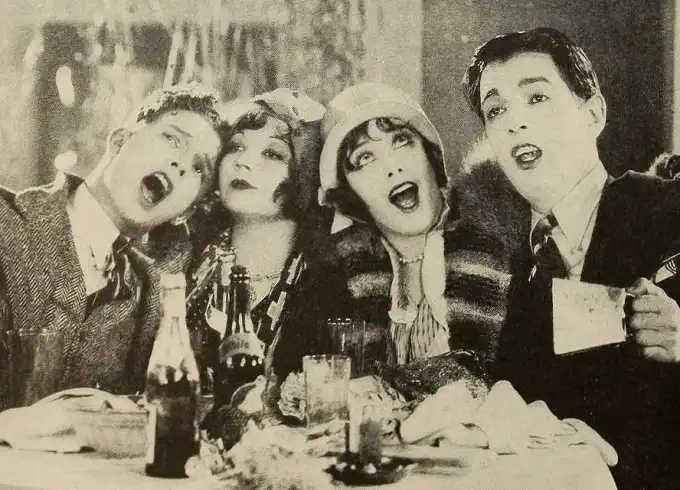
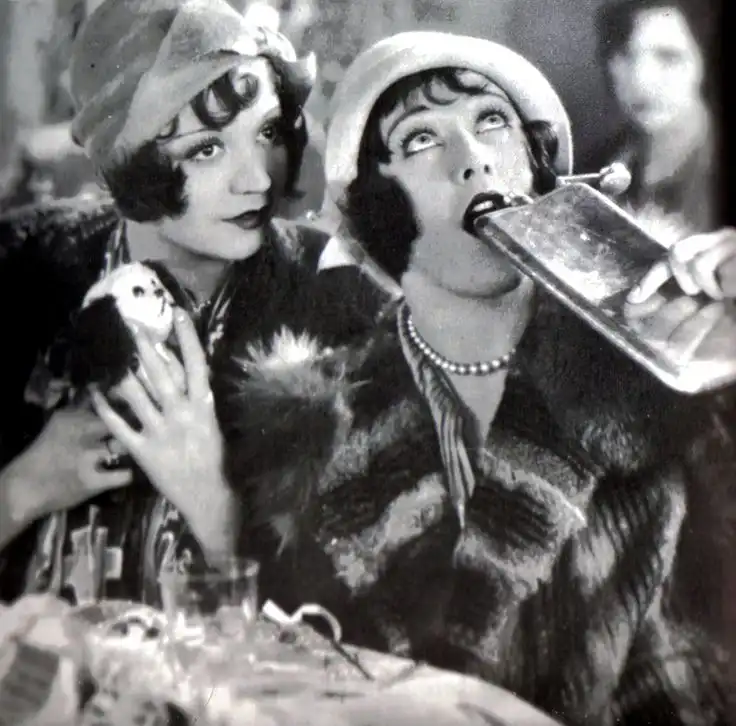
There's this one scene, early on, where she's introduced at some kind of party. The camera does a few quick pans across a dozen or so extras trying their best to look like they're having a wild time. But it’s all very stiff. You can almost feel the director telling them, 'More enthusiasm!' It’s not quite convincing, and the 'madness' of the 'mad hour' feels less like genuine revelry and more like a high school play's interpretation of a speakeasy. The whole sequence goes on just a little too long, and you start to notice the same three people in the background trying different dance moves.
Then there are the intertitles. Some of them are genuinely witty, little flashes of the scriptwriters' personality. Others are just… functional. You get a lot of exposition dumped in these big blocks of text, which sometimes slows the momentum right down. It’s like the film can’t quite decide if it wants to be a fast-paced romp or a more considered drama. This tonal whiplash is pretty constant.
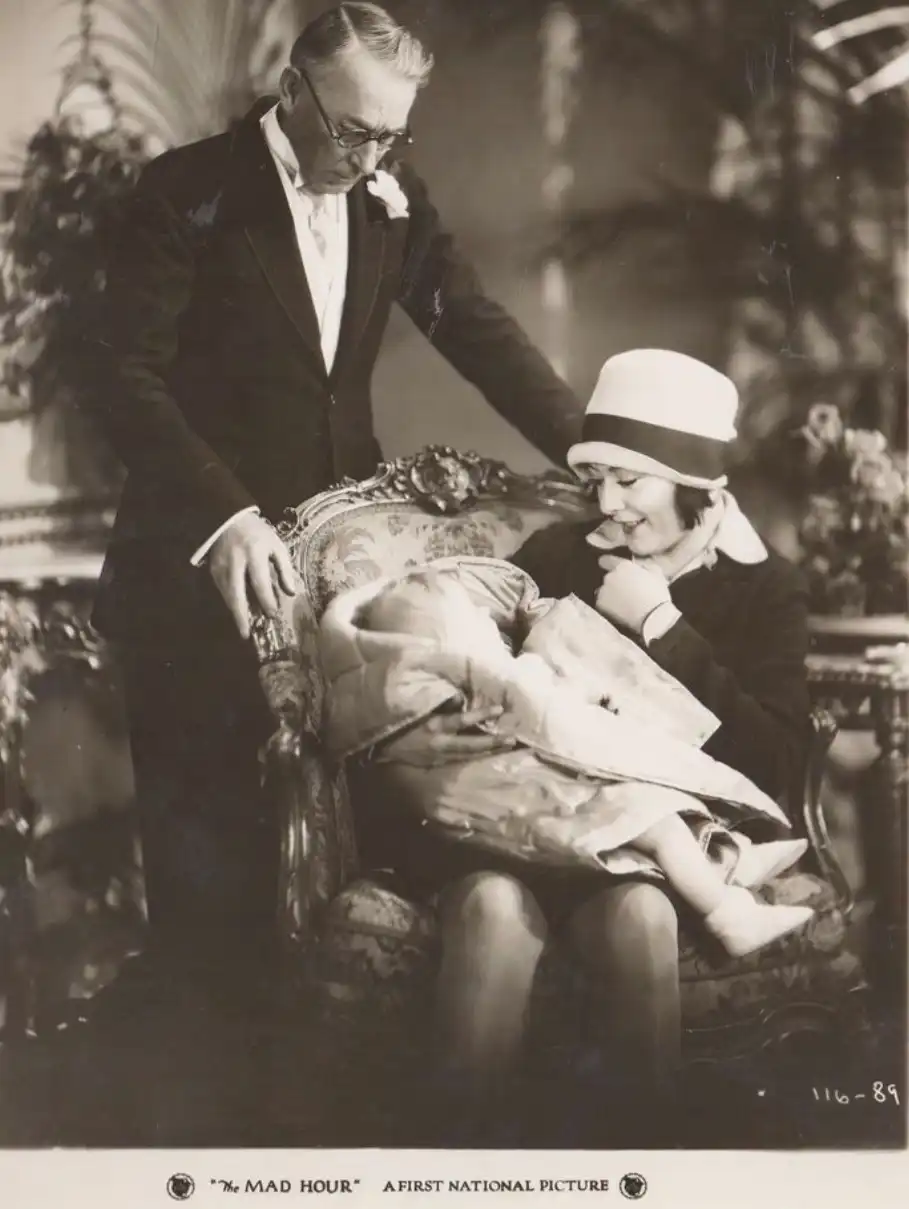
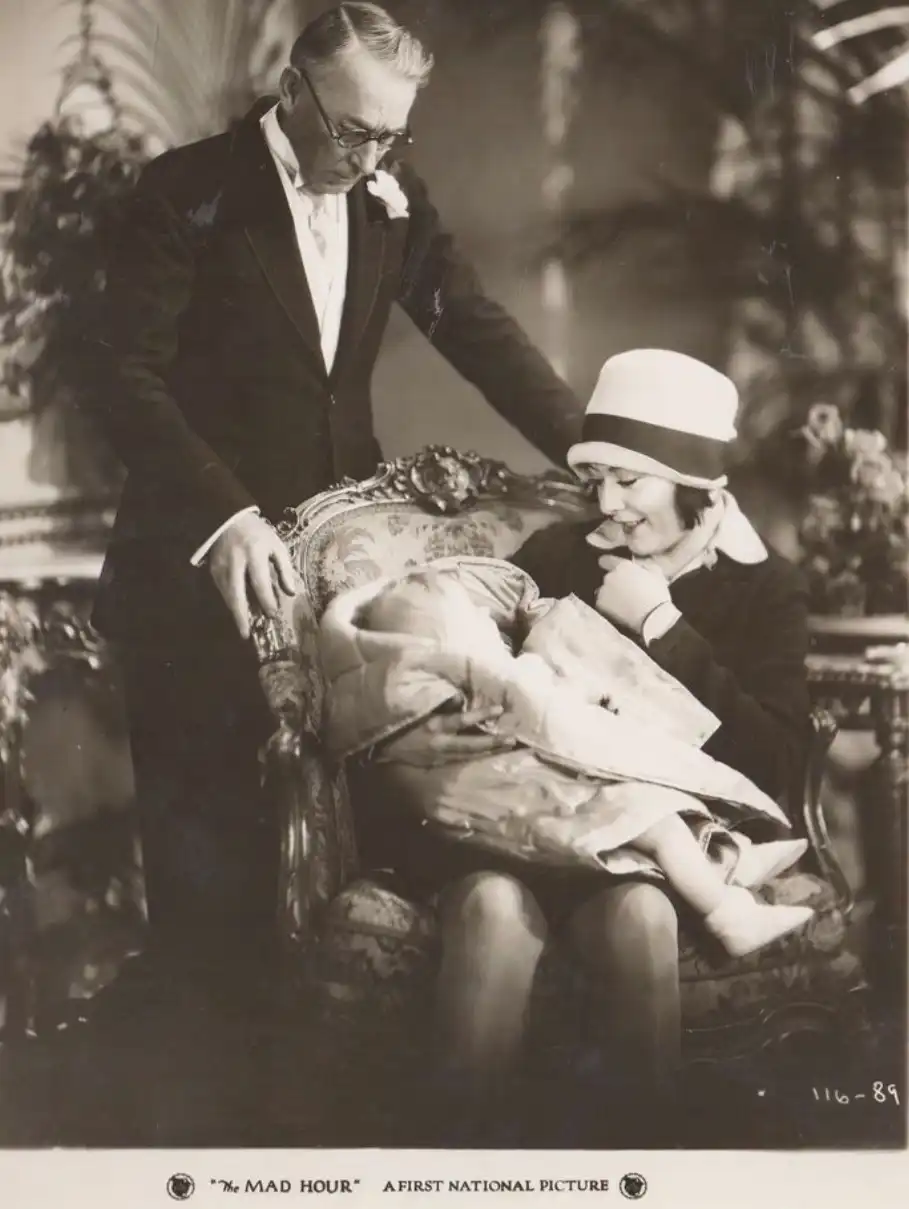
There’s a moment where a character, I think it was Norman Trevor, delivers some stern advice. His expression is supposed to be grave, but it just looks like he's trying very hard not to sneeze. The camera holds on it for a beat too long, and what should be a serious moment just becomes a little bit absurd. It's these small, almost accidental moments that stick with you, more than any grand dramatic arc.
The costumes are mostly what you'd expect. Flapper dresses, sharp suits. Nothing particularly groundbreaking, but they do ground you in the period. Except for one hat. There's a scene with Margaret Livingston where she's wearing this enormous, feathered thing that seems to defy gravity. It's distracting, truly. You spend more time wondering how it stays on her head than listening to whatever dramatic pronouncement she's making.
Pacing is definitely an issue. Some scenes feel rushed, cutting away before a reaction can fully land. Others, particularly the more 'emotional' ones, drag. There's a reconciliation scene near the end that just... keeps going. The characters hug, then they look at each other, then they hug again, then they smile, then they look away. It feels like the director was trying to wring every last drop of sentiment out of it, and it just becomes performative.
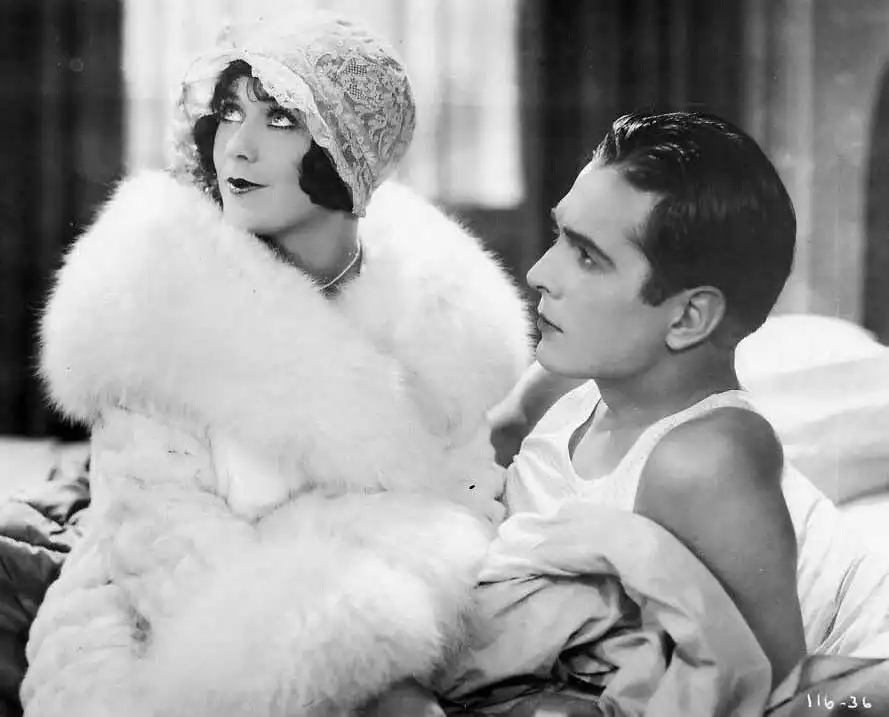
It’s not all bad, though. There are flashes of genuine charm. Alice White has a few scenes where her natural charisma really shines through, especially when she’s interacting with Donald Reed. Their chemistry isn't exactly electric, but it's sweet, believable enough for a silent picture. You root for them, even when the plot contrivances around them are a bit much.
The film gets noticeably better once it stops trying to be too serious about its 'madness' and leans into the screwball elements. When characters are just trying to get out of silly situations, the energy picks up. It’s less effective when it tries to deliver some kind of profound moral lesson about the dangers of the fast life. Those parts feel tacked on, less earned.
So, is it worth watching? For the curious, for the niche silent film fan, yes. It's a curio. For anyone else, probably not. It's a film that exists, and sometimes that's enough to make it interesting, even if it doesn't quite hold up as a piece of timeless cinema. It's a window into a very specific time, awkward edges and all.
IMDb 5.1
1928
Community
Log in to comment.