DbcultAccessing Vault...
4/10
Senior Film Conservator
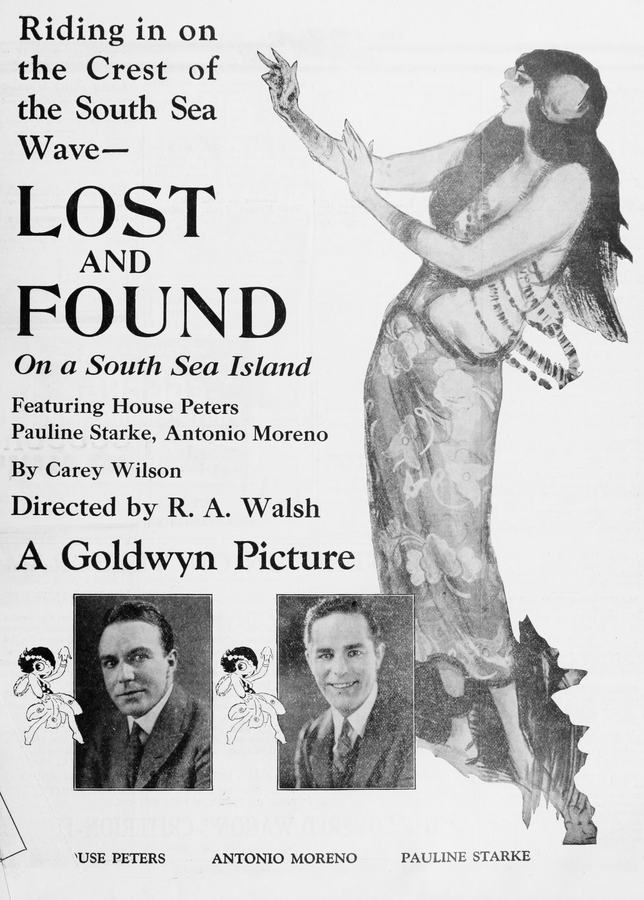
A definitive 4/10 rating for a film that redefined the boundaries of cult cinema. Lost and Found on a South Sea Island remains a cornerstone of transgressive art.
Stepping back into the golden age of silent cinema, one encounters a cinematic landscape brimming with grand narratives and unvarnished human emotion. Lost and Found on a South Sea Island emerges from this era as a compelling artifact, a vivid melodrama that plunges viewers into an exotic, yet perilous, world. This film, a product of the creative minds of H.H. Caldwell, Katherine Hilliker, Carey Wilson, and Paul Bern, is more than just a simple adventure tale; it's a profound exploration of familial estrangement, colonial avarice, and the indomitable spirit of love. Its narrative, while seemingly straightforward, is laced with intricate psychological undercurrents that resonate long after the final frame.
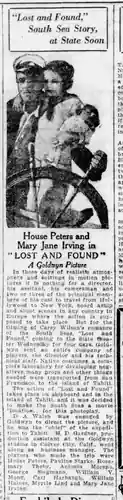
The South Sea islands, often romanticized as idyllic paradises, serve here as a breathtaking yet treacherous backdrop for a story steeped in betrayal. At the heart of this tropical maelstrom is Faulke, portrayed with chilling efficacy by George Siegmann. Faulke is not merely a villain; he is a manifestation of unbridled colonial ambition and moral decay. His past actions – convincing Madge to abandon her husband, Captain Blackbird, and their daughter Lorna – cast a long, dark shadow over the present. This initial act of manipulation sets the stage for a cascading series of unfortunate events, illustrating how a single act of perfidy can unravel lives and forge new, unwelcome destinies. Siegmann's performance imbues Faulke with a serpentine charm that makes his villainy all the more insidious, a common thread in silent era antagonists who often had to convey complex evil through exaggerated gestures and facial expressions.
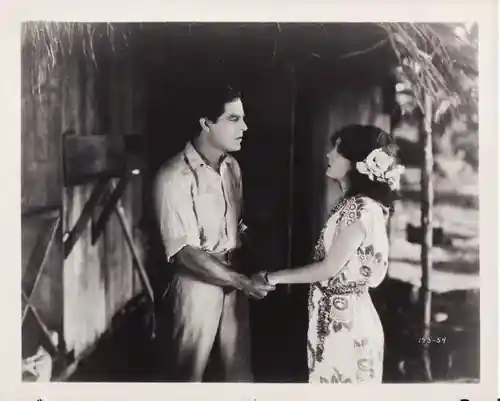
Lorna, played with poignant vulnerability by Mary Jane Irving, finds herself entangled in Faulke’s latest scheme. He, ever the opportunist, seeks to fortify his power by orchestrating Lorna’s marriage to Waki, a powerful native leader. This forced union is not born of love or mutual respect, but of calculated political maneuvering, a stark reminder of the exploitation inherent in many colonial narratives. Lorna’s heart, however, belongs unequivocally to Lloyd Warren, brought to life by Antonio Moreno with a captivating blend of earnestness and youthful vigor. Their burgeoning romance forms the emotional core of the film, a beacon of pure affection struggling against the encroaching darkness of Faulke's machinations. The palpable tension between Lorna's duty and her desire creates a powerful dramatic conflict, a testament to the writers' ability to craft compelling human drama even within the confines of a silent film.
Meanwhile, Captain Blackbird, a character of formidable presence embodied by House Peters, embarks on a seemingly innocuous quest for a doll for his other daughter, Baby Madge. This simple paternal gesture, however, inadvertently steers him towards a collision course with his past. Arriving in Pago Pago, the captain is a figure of gruff authority, initially dismissive of the pleas from Lloyd and a distraught Lorna. The irony is excruciating: he stands before his own estranged daughter, utterly unaware of her identity or the perilous circumstances she faces. This dramatic irony is a powerful narrative device, heightening the audience's anticipation and empathy. Peters masterfully conveys Blackbird's initial stoicism and eventual awakening, a transformation from an unwitting bystander to a man driven by rediscovered paternal love. His journey mirrors that of a character in The Tell-Tale Step, where a seemingly minor event snowballs into a profound personal revelation, altering the trajectory of the protagonist's life irrevocably.
The screenwriters, H.H. Caldwell, Katherine Hilliker, Carey Wilson, and Paul Bern, demonstrate a keen understanding of narrative pacing, allowing the threads of the story to slowly converge. This slow burn allows for a more impactful revelation when it finally arrives. The initial refusal of aid by Captain Blackbird to Lloyd and Lorna isn't born of malice, but of ignorance and perhaps a touch of the weary cynicism common to men of the sea. It's a subtle character beat that makes his eventual heroism all the more resonant. Pauline Starke, though
IMDb 6.5
1921
Community
Log in to comment.