DbcultAccessing Vault...
Cult Review
Senior Film Conservator
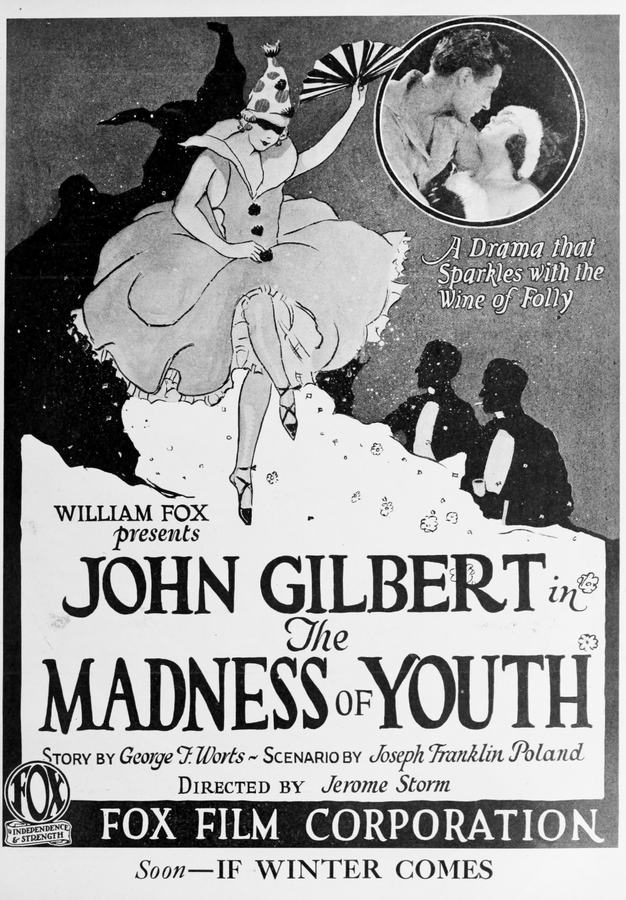
The 1920s cinematic landscape is a mosaic of roaring ambition and moral ambiguity, and Madness of Youth sits at its crossroads, delivering a tale that feels both timeless and distinctly of its era.
Jaca Javalie strides into Theodore Banning’s stately manor with the confidence of a man who has already outwitted the authorities. His swagger is matched only by a subtle theatricality that hints at a larger, almost mythic persona. Claiming to have mastered the mystic arts in distant India, he offers to ease the family’s tensions, presenting a tableau of calm that belies the storm of intent beneath.
The Banning family, with its polished veneer and underlying fragility, provides a fertile ground for Javalie’s deception. Theodore, the patriarch, exudes the classic image of a 1920s magnate—wealthy, dignified, yet susceptible to the allure of exotic mysticism. Nanette, his daughter, embodies innocence and curiosity, making her an ideal target for both affection and manipulation.
Javalie’s performance of peace is not merely a trick; it’s a carefully crafted narrative that lures the Banning family into a false sense of security. The use of light and shadow in these scenes—soft, almost reverential—mirrors the era’s fascination with the occult, while simultaneously foreshadowing the darker motives that will unfold.

The vault, a symbol of untouchable wealth, becomes the focal point of Javalie’s ambition. His initial attempt is executed with precision, yet the timing feels almost theatrical, as if the audience is privy to a secret plot. The tension is palpable, the stakes clear: a vault, a vault, and a vault of secrets that Javalie hopes to unlock.
Enter the guest—an enigmatic figure who offers silence in exchange for a share of the spoils. This moment is a masterstroke of character interaction, illustrating how greed and fear can intertwine. The guest’s presence introduces a new ethical dimension, forcing Javalie to confront the consequences of his deceit.
Undeterred, Javalie returns to the vault, only to find that the same mystical energy that soothed the Banning household now compels him to desist. The scene is a psychological tableau, where the protagonist’s internal struggle is rendered through subtle facial expressions and the careful choreography of his movements.
The climax arrives as Javalie confesses his original intent, a confession that is both a personal catharsis and a narrative pivot. His honesty, surprisingly, earns him the respect of the Banning family, and more importantly, the affection of Nanette. This turn of events underscores a recurring theme: the possibility of redemption even for those who stray.
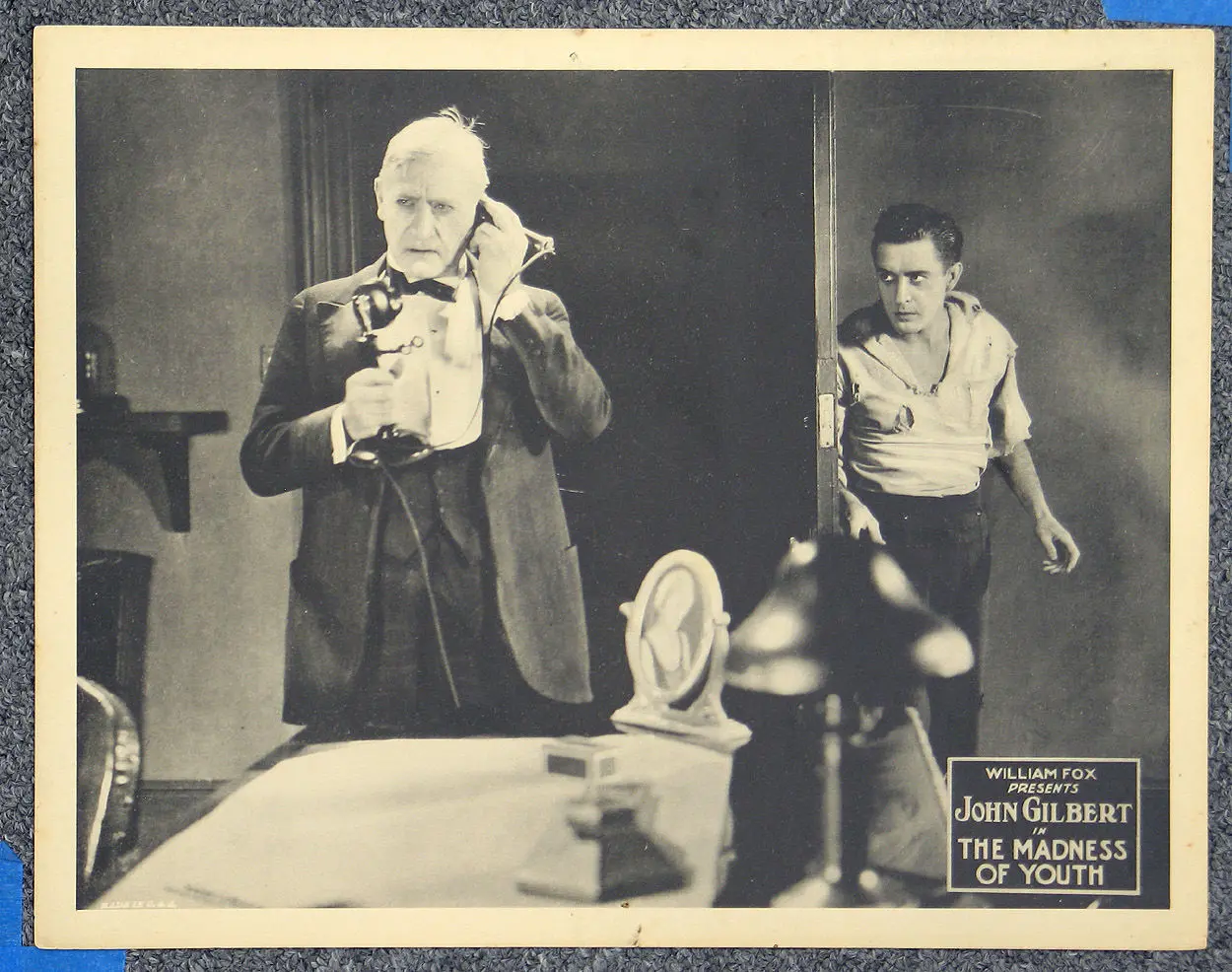
Nanette’s evolution from naive daughter to a woman capable of discerning truth adds depth to the narrative. Her relationship with Javalie is not merely romantic; it serves as a conduit for exploring themes of trust, vulnerability, and the capacity for change.
The film’s core revolves around deception, but it also probes the moral implications of youthful ambition. Javalie’s journey from confidence to confession mirrors the broader societal shift of the 1920s, where traditional values clashed with modern aspirations. The narrative invites viewers to question whether the end justifies the means.
The director’s use of chiaroscuro lighting accentuates the duality of Javalie’s character—his outward charm and hidden motives. Set design choices—opulent furnishings juxtaposed with the stark, cold vault—enhance the thematic contrast. Costumes further delineate character arcs: the Banning family’s tailored elegance versus Javalie’s more eclectic, almost theatrical attire.
When juxtaposed with contemporaries such as Alias Ladyfingers or When the Devil Drives, Madness of Youth carves its own niche. While Alias Ladyfingers leans into heist humor, this film anchors its narrative in moral introspection. Likewise, compared to The Home Stretch, the present work offers a more nuanced exploration of youthful hubris.
The film’s pacing is deliberate, allowing each character’s arc to unfold organically. The director’s rhythmic editing—intercutting between the calm of the Banning household and the tension of vault scenes—creates a dynamic narrative flow that keeps viewers engaged without sacrificing depth.
Ultimately, Madness of Youth offers a layered examination of ambition, deception, and the possibility of redemption. Its blend of period authenticity, character-driven storytelling, and thematic resonance renders it a compelling study of the 1920s cinematic ethos.

IMDb —
1933
Community
Log in to comment.