DbcultAccessing Vault...
5.6/10
Senior Film Conservator
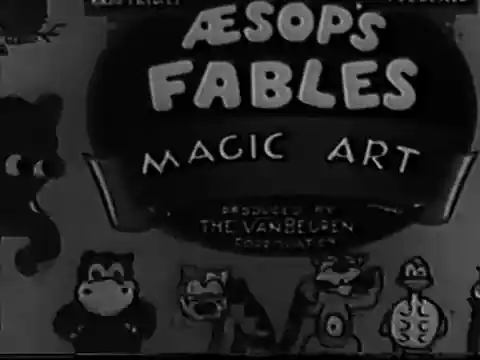
A definitive 5.6/10 rating for a film that redefined the boundaries of cult cinema. Magic Art remains a cornerstone of transgressive art.
Alright, let’s talk about Magic Art. Is it worth watching today? Yeah, actually, it is. But only if you're in the mood for something a bit… off-kilter. This isn't a blockbuster, or even a sleek indie; it's the kind of film that sticks with you like a weird dream you can't quite shake. People who love character studies or slow-burn psychological stuff might dig it. If you're expecting flashy magic tricks or a neat, tidy plot, you'll probably hate it. Go watch The Human Tornado instead, honestly.
Harry Bailey, as the lead magician Arthur Penhaligon, is just so good. He carries this whole movie on his slightly slumped shoulders. Arthur is a tired man, you can just tell. He’s doing these corny tricks, the disappearing handkerchief, the dove that never quite cooperates. His stage patter feels rehearsed and hollow. There's this one scene where he's performing at a really sad-looking children's party, and the kids are barely paying attention. That look on his face, you just *feel* it. 😔
The film doesn't waste time on a grand origin story. Arthur finds this old, dusty ledger, right? It's not even a spell book, just a collection of weird symbols and what looks like alchemical notes. From there, things slowly, subtly change. His tricks start working *too* well. A card trick where the chosen card doesn’t just appear, it kinda… fades into existence from nowhere. The audience doesn’t cheer; they just get this puzzled, almost uncomfortable silence.
John Foster plays Elias Thorne, Arthur’s old mentor, or maybe just a rival who saw something in him once. Thorne's presence is minimal but impactful. He shows up unexpectedly, observes Arthur's 'new' act with this knowing, slightly fearful expression. There's a quick shot of him in the back of the theater, just shaking his head, and it says more than a page of dialogue ever could.
What really grabs you is how the 'magic' itself is portrayed. It’s not flashy. It’s not a burst of light or a CGI spectacle. It’s quiet. It's like the world itself is subtly bending to Arthur’s will. One moment, a prop isn't there, and the next, it is. No fanfare. It’s actually kinda unsettling. Like, you know, the way a shadow can sometimes move out of the corner of your eye.
The pacing is… deliberate. Some might call it slow. I think it adds to the creeping sense of dread. There are moments that stretch on a bit, like Arthur just staring at his reflection for what felt like an entire minute. You kinda start to wonder what he's thinking, what's really happening inside his head. It’s not boring, though. It's more like being in a room where the air gets slowly heavier.
A small detail I loved: Arthur always adjusts his bowtie, even when it's perfectly straight. It’s a nervous habit, a magician’s tic, but it becomes something else as the film progresses. He starts doing it even when no one's watching, almost like he's trying to maintain some semblance of control over himself, over the strange things he’s doing.
The ending is… well, I won't spoil it. But it doesn't wrap things up in a neat bow. It leaves you with questions, which I actually appreciated. It feels earned, not like a cheap trick. You're left thinking about what 'art' really means, and what happens when the illusion becomes real. It’s a strange one, this Magic Art, but it’s got a certain charm, a dark, dusty charm.
Did I notice anything specific?
IMDb 6.5
1931
Community
Log in to comment.