DbcultAccessing Vault...
6.5/10
Senior Film Conservator
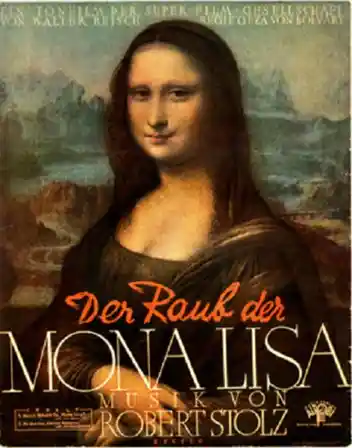
A definitive 6.5/10 rating for a film that redefined the boundaries of cult cinema. The Theft of the Mona Lisa remains a cornerstone of transgressive art.
If you are looking for a high-stakes heist movie with lasers and complicated blueprints, you are in the wrong century.
The Theft of the Mona Lisa is a strange little movie from 1931 that treats one of the biggest art crimes in history like a lighthearted mistake made by a guy who was just too into a girl.
It’s worth watching if you like old European cinema that doesn’t feel like it’s trying to be a 'masterpiece' every five minutes. It's breezy and a bit silly. Anyone expecting a dark psychological thriller will probably hate it though.
The movie follows Vincenzo, played by Willi Forst. He's a handyman at the Louvre who spends way too much time staring at the Mona Lisa. Honestly, the way he looks at her is a bit creepy if you think about it too long.
He meets a girl named Mathilde who supposedly looks like the painting. I don't really see it, but Vincenzo is sold. She’s kind of a social climber and tells him he needs to be famous for her to care about him. So, naturally, he decides to steal the most famous painting in the world. As one does.
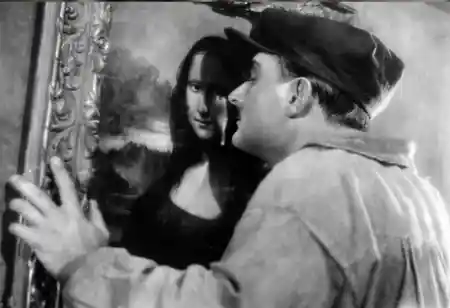
The heist itself is hilariously simple. He basically just waits for the guards to look away, pops the painting off the wall, and walks out. Security in 1911 was basically just a guy in a fancy hat who probably needed a nap.
I love how the movie shows the aftermath. People flocked to the Louvre just to look at the empty hooks on the wall. It’s a great observation about human nature—we only care about things once they are gone.
The cast list for this movie is a mile long. It feels like every actor in Germany in 1931 was given a five-minute cameo. You see faces like Gustaf Gründgens and Max Linder popping up for a second and then disappearing. It’s a bit distracting, like trying to watch a movie in a crowded train station.
One reaction shot of a museum guard lingers for about four seconds too long. It becomes funny for no reason. I don't know if the editor was tired or if they just really liked that guy's mustache.
The movie reminds me a bit of My Madonna in how it deals with this weird, singular obsession with a female image. But here, it’s much more lighthearted. It almost feels like a musical without the singing, if that makes sense. The rhythm of the scenes is very bouncy.
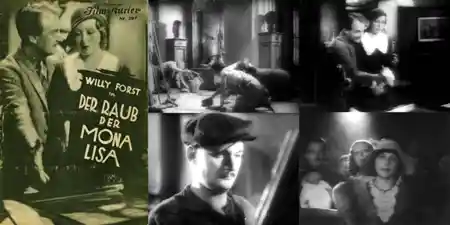
There is a weird scene in a hotel that feels like it belongs in a totally different movie. It slows everything down right when the plot should be speeding up. I think they just wanted to show off the fancy set they built.
It’s a bit like Love and Champagne where the vibe is more important than the actual logic of the story. You just have to go with it.
The ending is a bit rushed. It’s like they realized they were running out of film and needed to wrap it up in five minutes. Vincenzo is so pathetic by the end that you almost want him to get away with it. Almost.
It’s not a perfect movie. The pacing is all over the place and the romance feels very forced. But it has a lot of heart. It’s a fun time capsule of a time when you could steal a masterpiece and just hide it in your apartment for a while without anyone noticing.
If you've seen The Ace of Scotland Yard, you'll find this a lot more charming and less stuffy. It doesn't take itself seriously at all. 🎨
Is it a great film? Probably not. But it’s a good way to spend an afternoon if you like seeing people in old-timey clothes making bad decisions for love.
IMDb —
1927
Community
Log in to comment.