DbcultAccessing Vault...
6/10
Senior Film Conservator
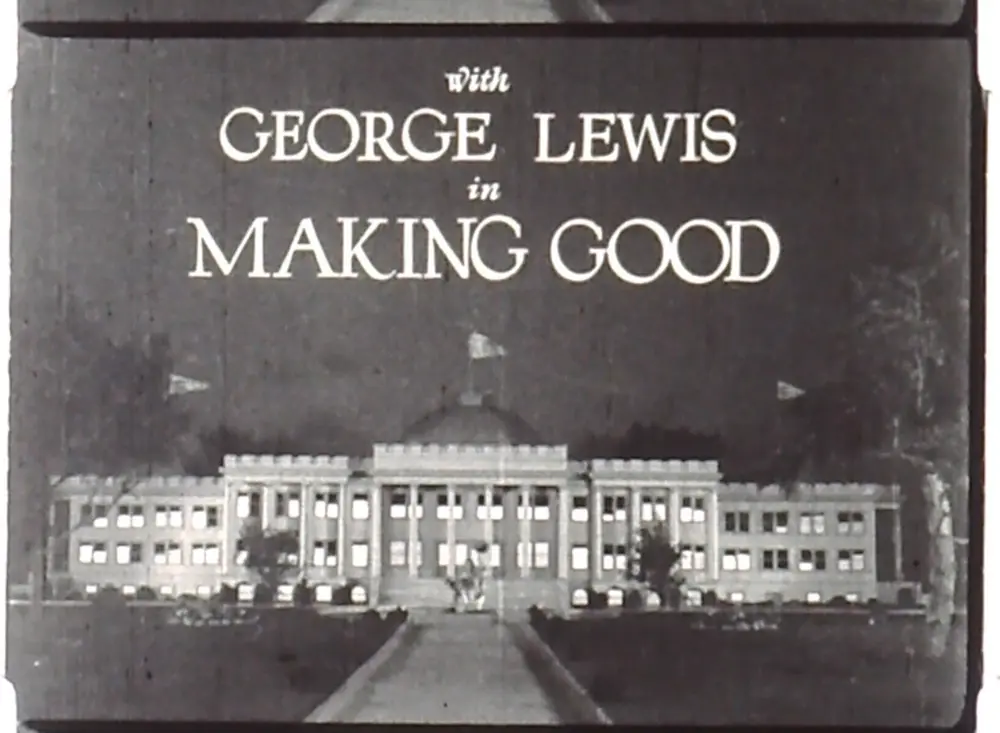
A definitive 6/10 rating for a film that redefined the boundaries of cult cinema. Making Good remains a cornerstone of transgressive art.
Is 'Making Good' worth watching today? Short answer: yes, but with significant caveats. This film is a fascinating artifact for cinephiles and historians of early American cinema, offering a window into a bygone era of storytelling and moralizing, yet it will likely test the patience of a casual modern viewer accustomed to faster pacing and more nuanced characterizations.
This film is best suited for those with a deep appreciation for silent or early sound-era cinema, film students, and anyone interested in the social commentaries embedded within period pieces. It's an exploration of ambition and ethics that, despite its age, still sparks conversation. Conversely, it is not for viewers seeking rapid-fire plots, contemporary dialogue, or complex psychological dramas; its straightforward narrative and often melodramatic delivery might feel simplistic or dated to an uninitiated audience.
This film works because of its surprisingly clear thematic exploration of ambition versus integrity, anchored by a compelling, if occasionally over-the-top, central performance. It captures a specific cultural anxiety of its time regarding social mobility and ethical compromise.
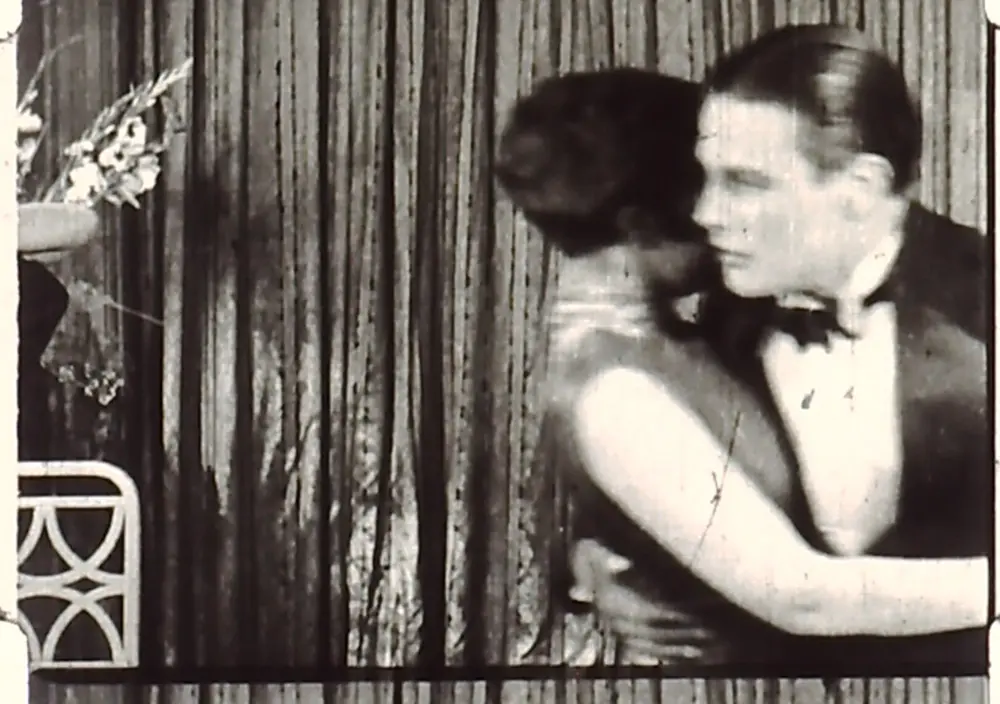
This film fails because its pacing can be agonizingly slow by modern standards, and some of its dramatic beats lean heavily into melodrama, undermining moments of genuine emotional potential. The writing, while thematically sound, often lacks the subtlety that would give its characters more depth.
You should watch it if you are prepared to engage with a piece of film history that, despite its flaws, offers valuable insights into early cinematic storytelling and societal values. It’s a film that rewards patience and a willingness to look beyond surface-level datedness.
"Making Good" stands as a testament to the enduring power of narrative, even when filtered through the nascent techniques of early cinema. Directed by a collaborative effort that, through the lens of its credited writers such as Carl Laemmle Jr. and George H. Plympton, seems to channel a collective vision, the film attempts to grapple with universal themes of aspiration, morality, and the elusive definition of success. It's a story that, at its heart, feels both quaintly specific to its era and remarkably resonant even today, albeit through a rather thick layer of historical context.
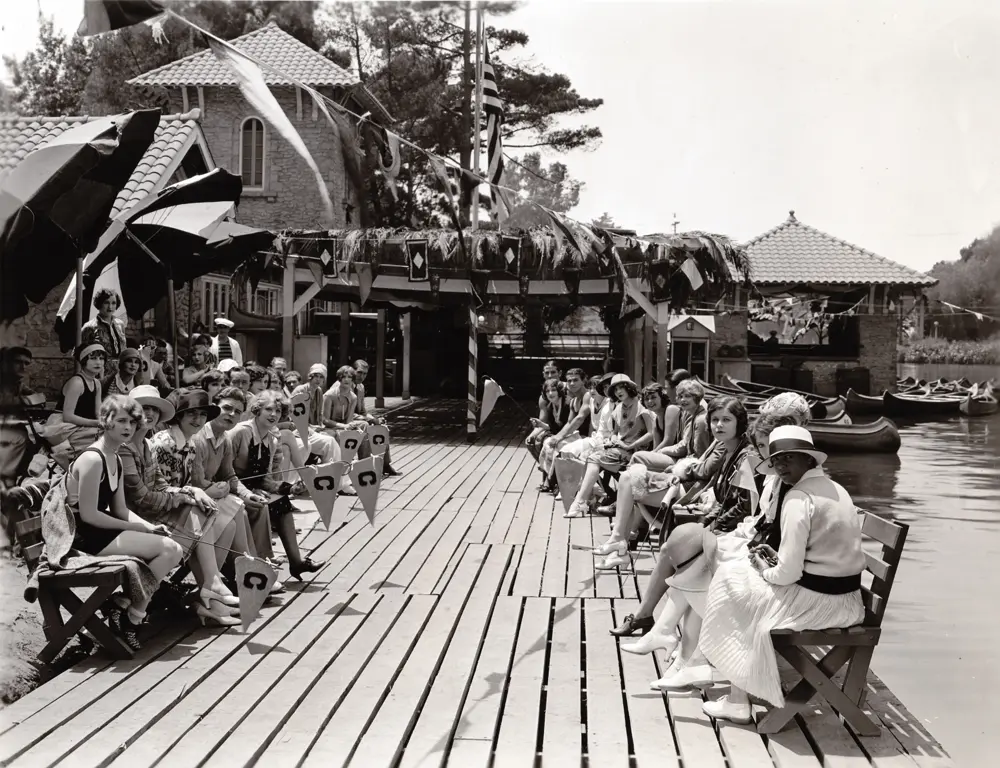
The plot, revolving around Jack Thorne's relentless pursuit of prosperity, is a familiar one. What makes "Making Good" distinct is its earnest, almost didactic, approach to the moral dilemmas Thorne faces. There's a palpable sense that the filmmakers were not just telling a story, but imparting a lesson, a common characteristic of films from this period. This isn't a flaw, per se, but rather a stylistic choice that colors every aspect of the production, from the broad strokes of its characterizations to the unequivocal resolutions of its conflicts.
One might argue that the film's greatest strength lies in its unvarnished portrayal of the pressures to 'get ahead' in a society undergoing rapid industrial and social change. Thorne's struggles with rivals like Victor Sterling aren't just personal vendettas; they are allegories for the cutthroat competition inherent in the burgeoning capitalist landscape. This societal mirror, reflecting anxieties about wealth, poverty, and integrity, is where "Making Good" truly shines, offering an unexpected depth beneath its often-simplistic surface.
The ensemble cast, led by Matty Kemp as Jack Thorne, delivers performances that are very much products of their time. Kemp embodies the earnest, determined protagonist with a sincerity that, while occasionally veering into theatricality, largely grounds the film's emotional core. His expressions of frustration and triumph are clear, almost exaggerated, designed to convey emotion effectively without the benefit of extensive dialogue or subtle camera work.
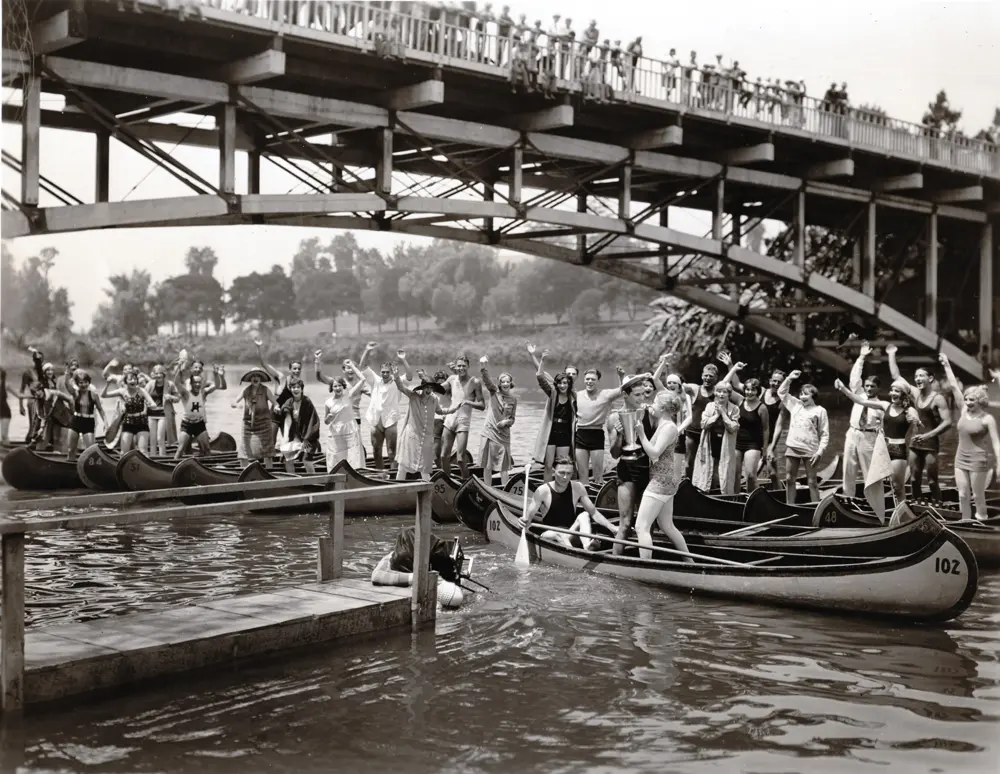
A standout moment for Kemp is a pivotal scene where Thorne grapples with a shady business proposal from Sterling. Kemp's internal conflict is externalized through a series of subtle shifts in posture and facial micro-expressions, a rare moment of genuine restraint that hints at a deeper capability than the script often allows. It's a stark contrast to the more overtly villainous portrayal by Max Wagner as Victor Sterling, whose sneering demeanor and exaggerated gestures firmly plant him in the 'bad guy' camp, leaving little room for ambiguity.
The directing, a collective effort that showcases the early studio system's collaborative nature, demonstrates a clear understanding of visual storytelling, even if it feels rudimentary by today's standards. There's a deliberate use of framing to emphasize power dynamics, particularly in scenes involving Thorne and Sterling. For instance, Sterling is often shot from a low angle, making him appear more imposing, while Thorne's struggles are frequently captured in tighter, more vulnerable frames.
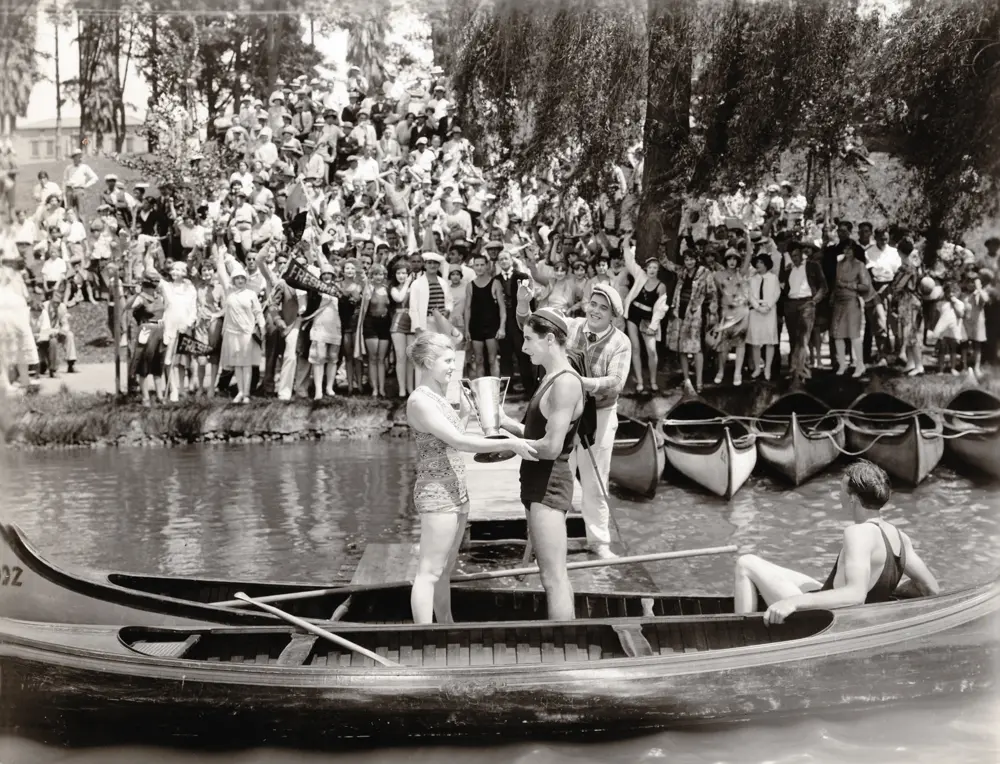
The cinematography, while lacking the sophisticated lighting and camera movement of later decades, effectively utilizes available techniques to convey mood and narrative. The use of stark lighting in certain dramatic confrontations, casting deep shadows on characters' faces, is reminiscent of early German Expressionism, though likely coincidental or a result of practical limitations. This creates a visual tension that helps to elevate the film's more dramatic sequences, such as the climactic showdown in Thorne's office.
Comparing it to a film like The Invisible Enemy, which relied heavily on atmospheric dread, "Making Good" takes a more straightforward, almost documentary-like approach to its visual narrative. The camera is largely static, serving as an observer rather than an active participant, a common trait of films from this period. This choice, while contributing to the film's slower pace, also lends it a certain authenticity, allowing the audience to feel like they are witnessing events unfold rather than being manipulated by cinematic trickery.
The pacing of "Making Good" is undeniably a challenge for contemporary audiences. The narrative unfolds at a deliberate, almost languid, speed, with scenes often lingering longer than modern editing conventions would dictate. This extended duration for establishing shots and emotional reactions can feel drawn out, especially in the film's first act, which is heavy on exposition and character introduction.
However, this slower pace also allows for a deeper immersion into the film's world, providing time to absorb the period details and the characters' motivations. It's a different rhythm of storytelling, one that demands patience but can reward it with a more contemplative viewing experience. The film gradually builds momentum, with the stakes becoming clearer and the conflicts more urgent as Thorne's journey progresses, culminating in a relatively brisk and satisfying resolution.
The tone oscillates between earnest melodrama and moments of genuine social commentary. There are instances where the emotional beats are telegraphed with a heavy hand, bordering on the theatrical, which might elicit an unintended chuckle from modern viewers. Yet, beneath this surface, there's a serious exploration of moral rectitude and the corrupting influence of unchecked ambition. The film's message, while straightforward, is delivered with conviction, leaving little doubt about its moral stance.
"Making Good" is a fascinating, if imperfect, window into early American cinema. It works. But it’s flawed. Its moral compass is unwavering, and its protagonist's journey, while occasionally clunky in execution, remains compelling due to its universal themes. This isn't a film that will redefine your understanding of cinema, nor will it likely become a household name. However, for those willing to engage with its historical context and appreciate its earnest storytelling, it offers a surprisingly rich experience. It’s a testament to the enduring power of simple narratives about human struggle and the quest for a meaningful life, even when 'meaningful' is defined by the standards of a century past. While it may not captivate every viewer, its historical significance and thematic depth make it a worthwhile watch for the discerning cinephile. It's a reminder that sometimes, the most profound insights are found in the most unassuming packages.
IMDb 6.3
1931
Community
Log in to comment.