DbcultAccessing Vault...
4.6/10
Senior Film Conservator
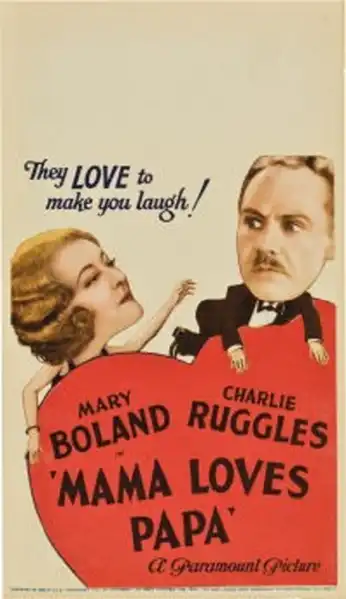
A definitive 4.6/10 rating for a film that redefined the boundaries of cult cinema. Mama Loves Papa remains a cornerstone of transgressive art.
If you have a soft spot for 1930s comedies that move at about 100 miles per hour and don't care about things like 'logical character motivations,' you will probably get a kick out of Mama Loves Papa. If you prefer your movies to have a bit of breathing room or characters who aren't constantly shouting, maybe skip this one. It is a loud, messy little thing.
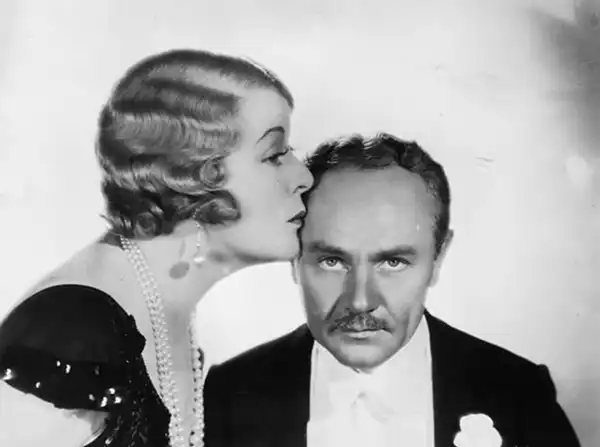
Charles Ruggles is basically playing the patron saint of being pushed around. Watching him try to navigate his own living room while his wife, played by Mary Boland, just drills into him is actually kind of painful. It feels less like a comedy and more like watching someone try to assemble IKEA furniture while being stung by bees.
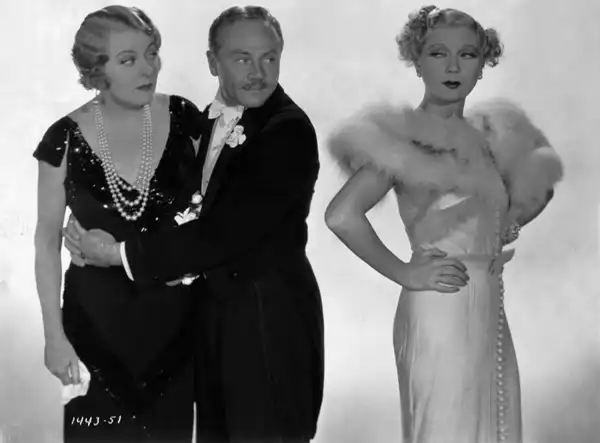
The whole thing pivots when he finally decides he's had enough of the badgering and goes on a bender. It is the kind of 'movie drunk' behavior that only makes sense in scripts written in 1933, where a few drinks turn a timid accountant into a guy who can suddenly stumble into a completely new life. The pacing is absolutely frantic, like the editor was trying to finish the film before the studio lights burned out.
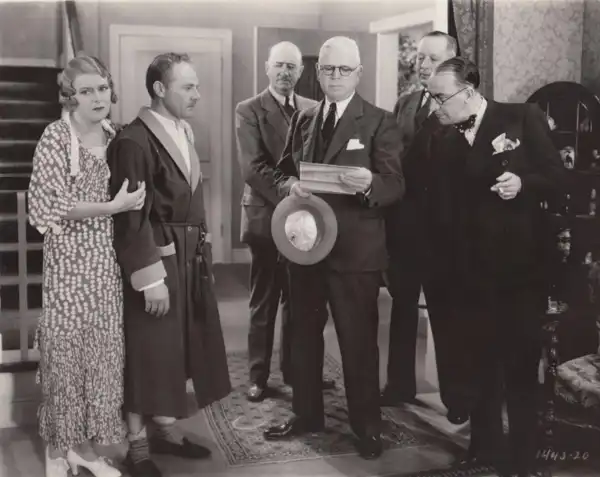
I found myself staring at the background extras in the bar scene. There is this one guy in a hat who spends a full thirty seconds just pretending to read a newspaper, but he never flips the page. It is distractingly funny. It reminded me of the background work in , which had a similarly weird, static quality to its crowd scenes.
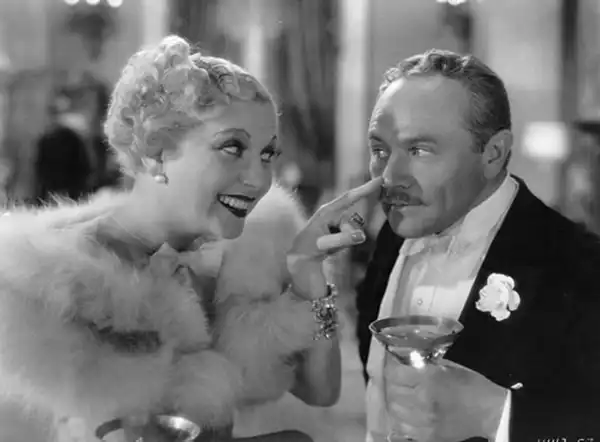
There is a moment where Ruggles is talking to his new acquaintance, Gail Patrick, and the camera lingers just a heartbeat too long on his bewildered face. You can see the actor thinking, 'Wait, is this scene over yet?' It is moments like that where the film feels truly alive, even if it is just a technical hiccup.
Is it a classic? Not really. It is more like a piece of vintage candy that has lost some of its flavor but is still sweet enough to finish. You can feel the influence of earlier, more chaotic shorts like , though this one tries to keep a slightly tighter rein on the plot. It doesn't quite succeed, but the effort is visible.
Honestly, the movie gets much better once it stops trying to be a social commentary on marriage and just leans into being a farce. When the shouting stops for five seconds, you can actually see the chemistry between the leads. It’s a shame they spent so much time yelling. 🍸
IMDb —
1920
Community
Log in to comment.