DbcultAccessing Vault...
Cult Review
Senior Film Conservator
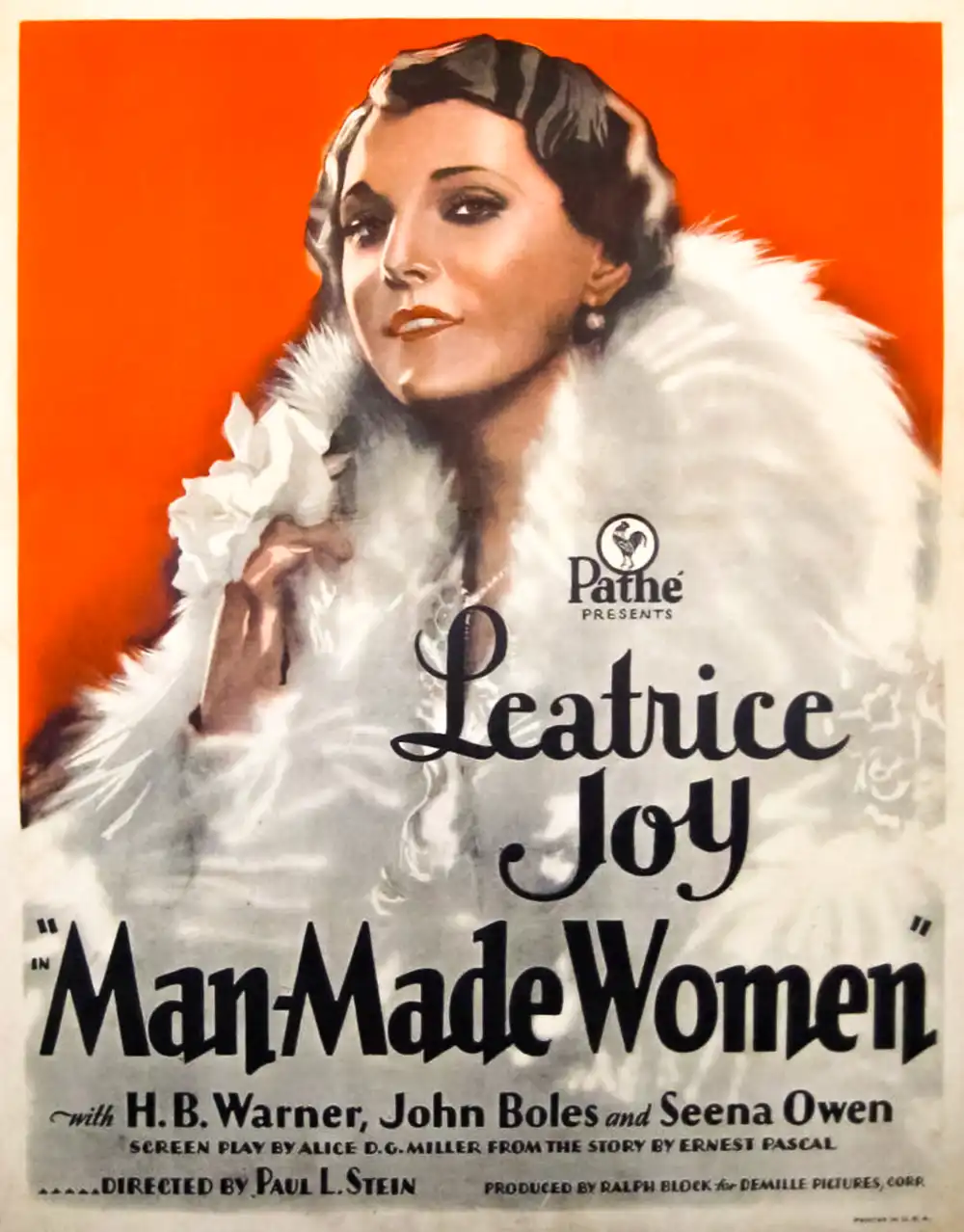
"Man-Made Women" is a strange beast, and whether it’s worth tracking down today really depends on what you’re looking for. If you’re into those early talkies where the sound feels a bit like a new toy no one quite knows how to use, and you appreciate a certain kind of earnest, if clunky, social commentary, then maybe. You'll likely enjoy it if you like films that show the awkward birth pangs of a new medium, especially if you have a soft spot for actors like Leatrice Joy trying to navigate it all. But if you're expecting anything resembling modern pacing or subtle character work, you'll probably find it a slog. It’s definitely not for casual movie night viewing.
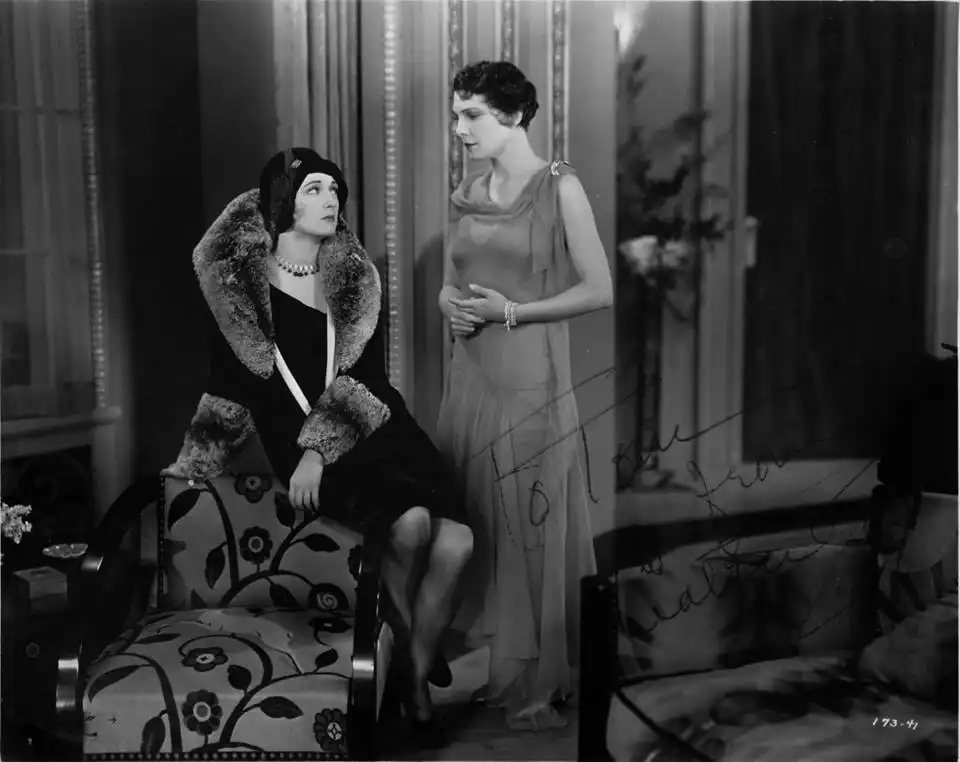
The whole premise, these women essentially sculpted by societal expectations, comes through in fits and starts. Leatrice Joy plays a kind of socialite, I think her name is Monica, who feels trapped. Or at least, the film wants you to feel she's trapped. Her character spends a lot of time looking wistful, often framed by some truly opulent but slightly sterile art deco interiors. These sets, you can tell, were probably a big deal for the production. All those sharp angles and polished surfaces, it really does make everyone feel a bit like a display piece.
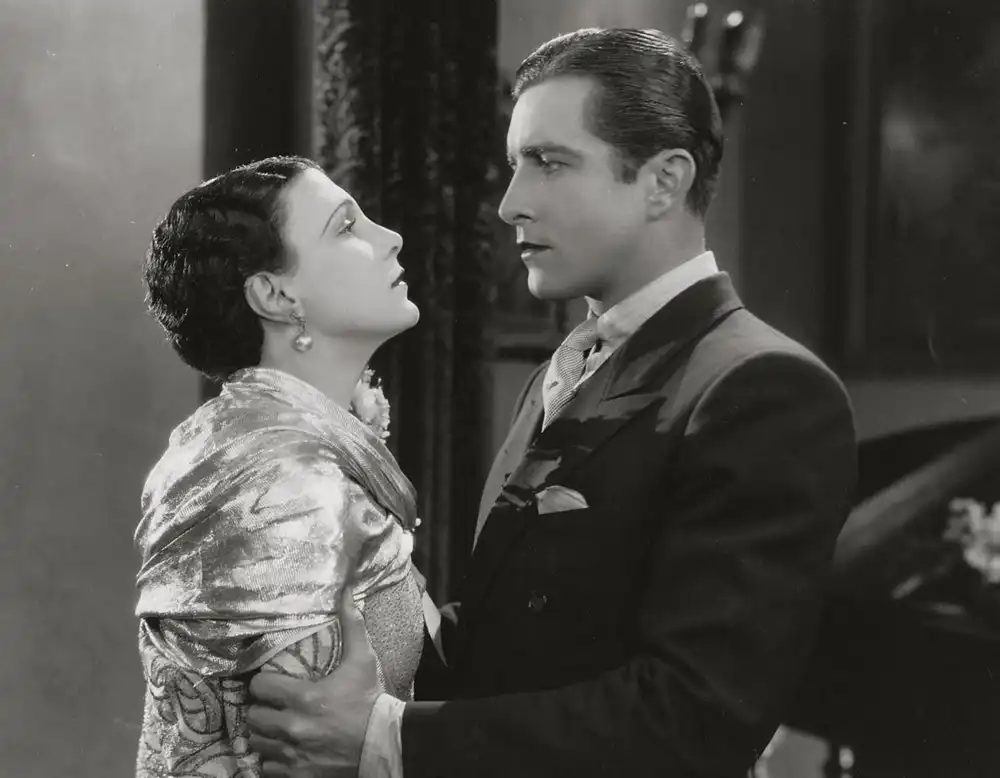
There’s this one scene, early on, where Monica is at a party, and the camera just holds on her face while a bunch of chattering goes on in the background. The sound mix is wild. You can barely make out what anyone’s saying, but the idea of constant, meaningless chatter is definitely there. It goes on about 15 seconds too long, and you start to wonder if Joy forgot her line, or if the director just loved her profile that much. It’s an interesting moment, though, because it really emphasizes her isolation, even amidst the crowd. She's supposed to be the "man-made woman" par excellence, perfectly turned out, but you can see the effort. Or you're supposed to.
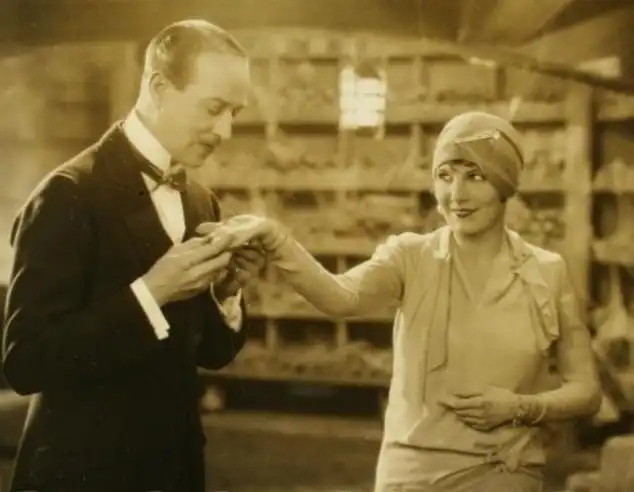
Then you have H.B. Warner, playing some sort of wealthy, controlling figure – classic typecasting for him. He’s got this booming voice that feels like it’s trying to punch through the microphone, which was probably the style back then, but it makes him sound less like a human and more like a theatrical pronouncement. His scenes with Joy often feel stiff, like they’re hitting their marks and waiting for the other to finish their line. The chemistry just isn't there, which is a problem when the whole point is her yearning for something beyond his gilded cage.
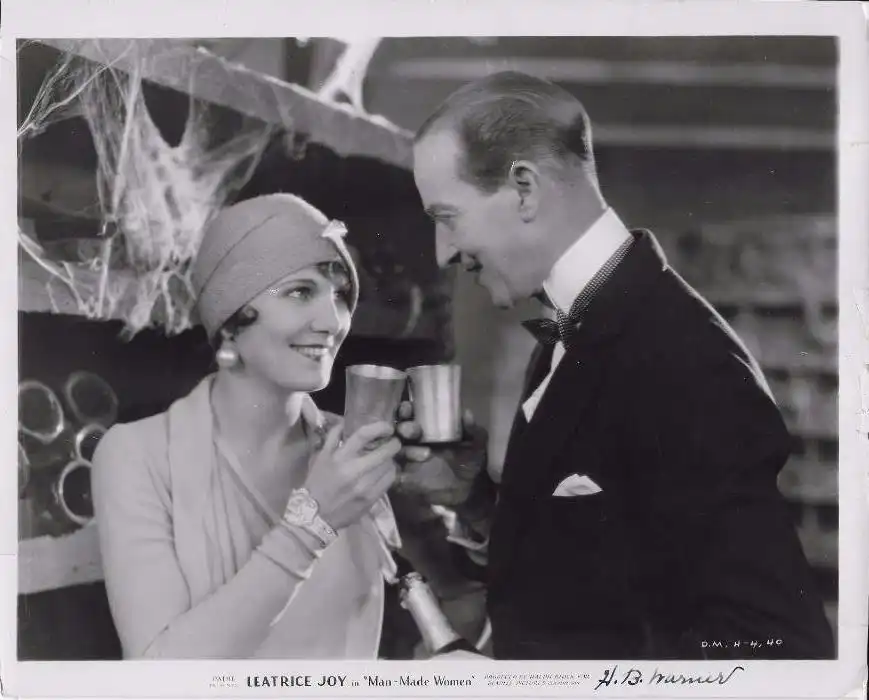
Pacing is a real issue. There are long stretches where it feels like the story just... pauses. A character walks across a room, and the shot feels like it lasts a decade. You can almost feel the movie trying to convince you that these silent, significant glances matter, but mostly you just want them to get on with it. There’s a subplot involving Jeanette Loff, playing a younger, more overtly rebellious woman, and her scenes have a bit more energy. She tries to inject some fire, some genuine anger at the restrictive world they inhabit. She’s often dressed in slightly less fussy clothes, a contrast to Joy's more elaborate gowns, which actually works pretty well visually. It’s a nice touch, even if the script doesn’t quite know what to do with her beyond "the spirited one."
The dialogue itself, when you can clearly hear it, is often incredibly on-the-nose. People don't talk, they explain themes. "You are merely a beautiful shell, Monica!" someone declares at one point, and you just cringe a little. It’s like they didn't trust the audience to pick up on the subtext, so they just shouted the subtext at them. This might be a product of early sound film, where directors were still figuring out how to integrate spoken words without making them sound like stage monologues.
There’s a strange sequence where Monica tries to break free, and it involves her going to some bohemian artist's studio. The change in tone is jarring. One minute she’s in a stifling mansion, the next she’s surrounded by people in smocks, laughing a little too loudly. The film tries to suggest this is where she finds "real" life, but it comes off as a caricature of artistic freedom. The lighting gets all dramatic, lots of shadows, trying to look edgy. It’s an awkward fit, like two different movies glued together.
But then, just when you're about to give up, there are these flashes. A moment where Joy catches her own reflection and the despair in her eyes feels genuinely raw, unforced. It’s brief, maybe two seconds, but it cuts through all the stilted dialogue and over-the-top sets. Or a background detail, a maid quietly tidying up a vase in a corner, completely oblivious to the dramatic pronouncements happening foreground. Those small, human moments are almost accidental, but they stick with you more than any grand statement the film tries to make.
It’s a curious piece, "Man-Made Women." It’s trying to say something important about the roles women were forced into, the artifice of it all. But it’s so wrapped up in the novelty of sound and the theatrical conventions of its time that it often trips over its own feet. You watch it less for the story, and more as a document of a specific era in filmmaking, a time when the rules were being rewritten, sometimes clumsily, sometimes brilliantly. It’s a film that demands patience, and a willingness to forgive its many, many rough edges.
IMDb —
1928
Community
Log in to comment.