DbcultAccessing Vault...
5.8/10
Senior Film Conservator
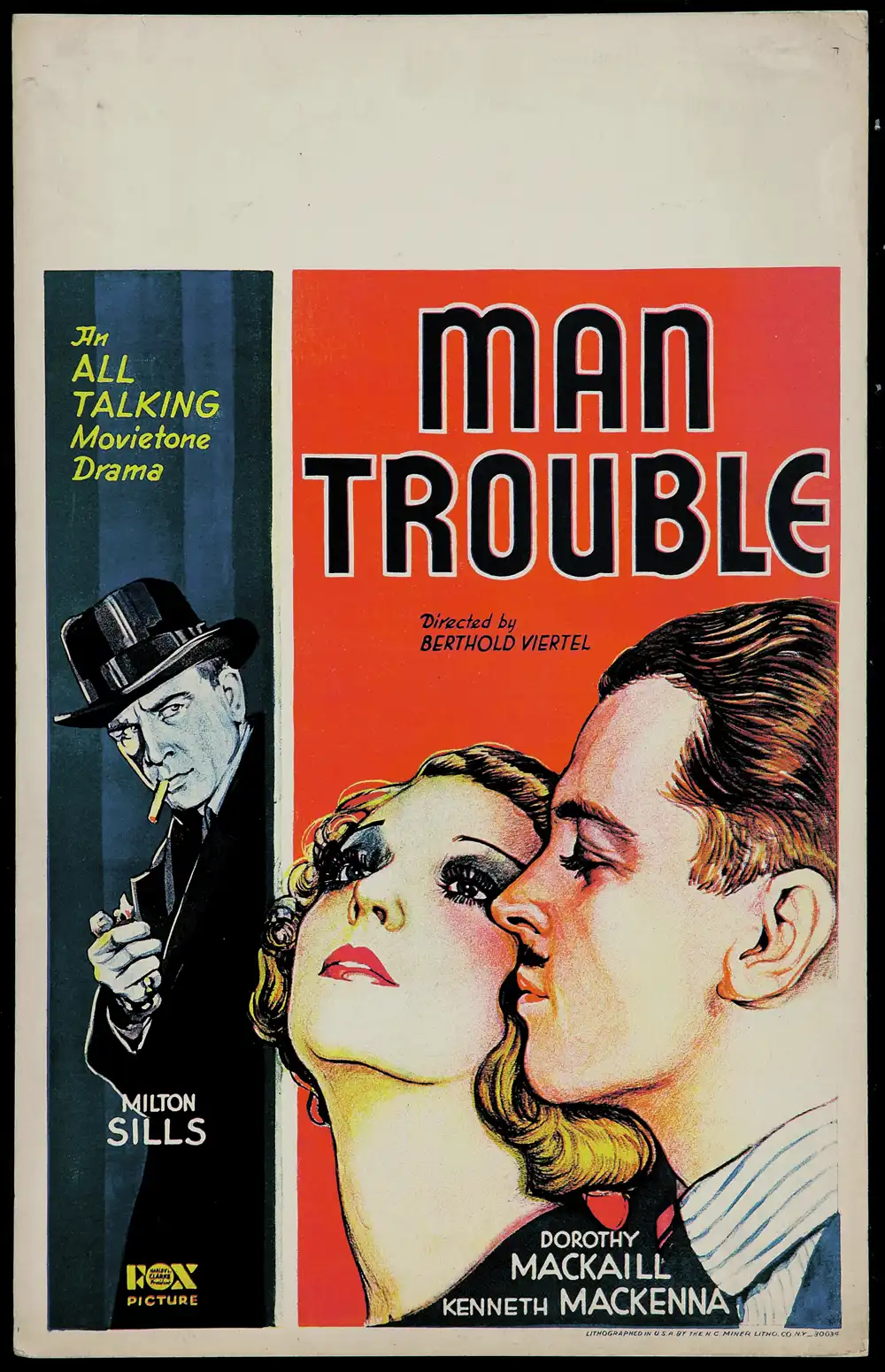
A definitive 5.8/10 rating for a film that redefined the boundaries of cult cinema. Man Trouble remains a cornerstone of transgressive art.
Okay, so Man Trouble from 1930. Is it worth tracking down today? Mostly for film historians, or maybe if you're really into seeing how early sound pictures handled romance and melodrama. If you’re looking for something perfectly paced or subtly acted by modern standards, you’ll probably find it a bit stiff. But if you appreciate a good old-fashioned love triangle with some truly earnest performances, give it a shot. 🎬
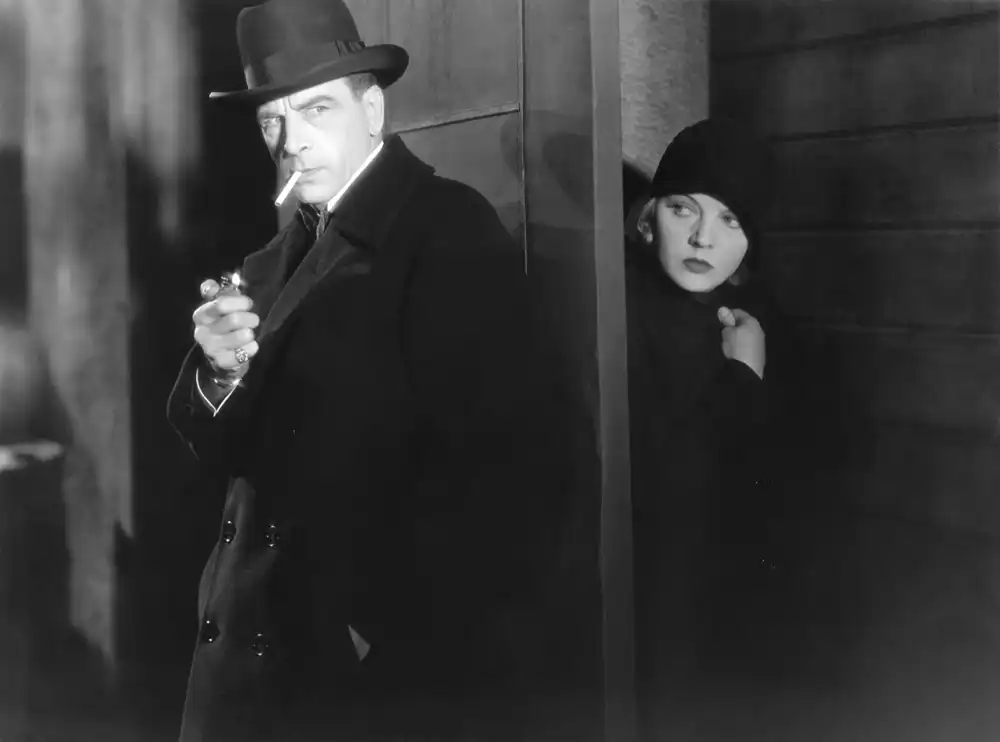
The whole thing kicks off with Milton Sills as Joe, a nightclub owner who’s, well, hard-boiled. He saves this young woman, Joan (Dorothy Mackaill), from a murky accidental dip. Right there, you know where this is going. Joe instantly falls for her. It’s that old movie magic where one dramatic moment seals a fate.
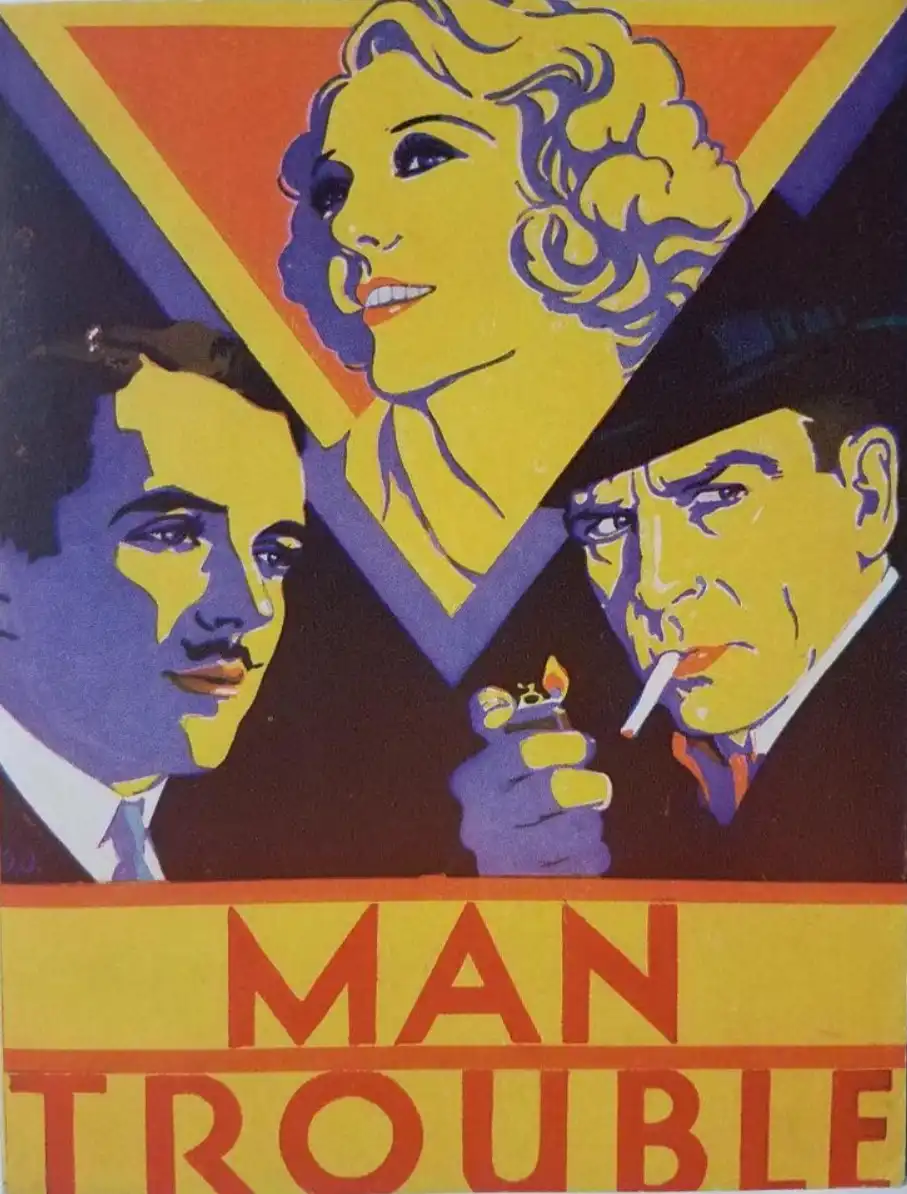
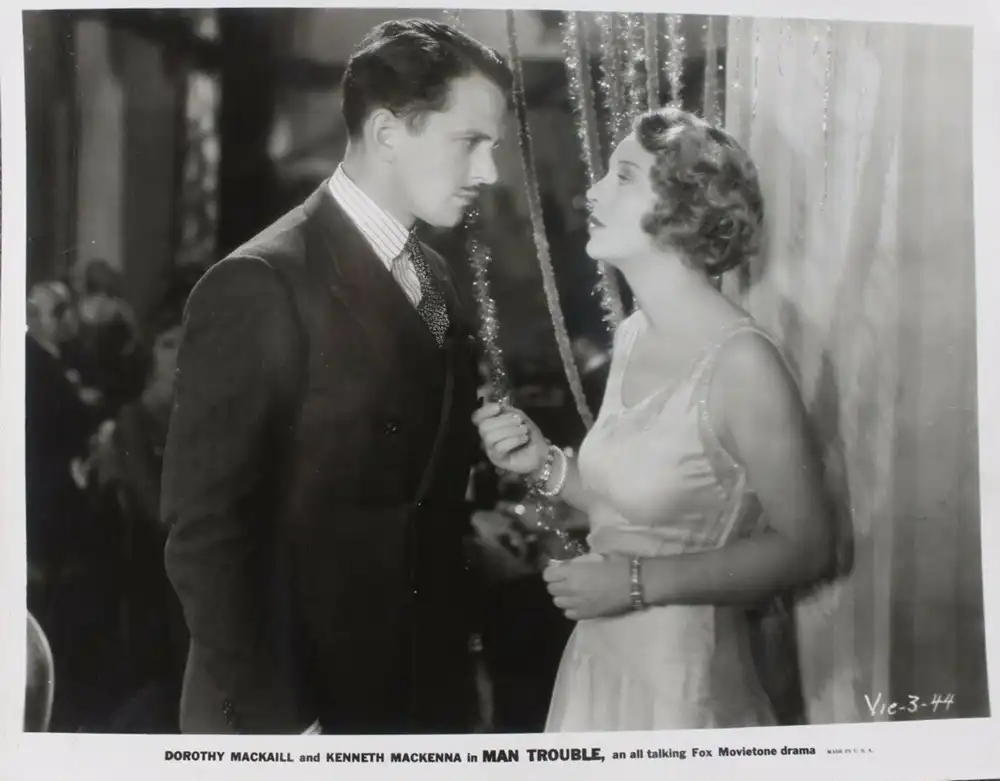
And Joan, she’s grateful, of course. But her heart, it seems, leans towards Bob (Kenneth MacKenna), a gentler sort. You can almost feel the movie trying to convince you that this distinction between the rough-and-tumble guy and the smooth operator really matters. It’s a common trope, but here, it’s played with such a straight face.
Sills, as Joe, really embodies that early talkie intensity. He’s got this brooding thing down. Every time he looks at Joan, you feel the weight of his unrequited affection. Sometimes it’s a bit much, like he’s got the entire world’s troubles resting on his shoulders. But it works for the character, this big lug who just wants to be loved.
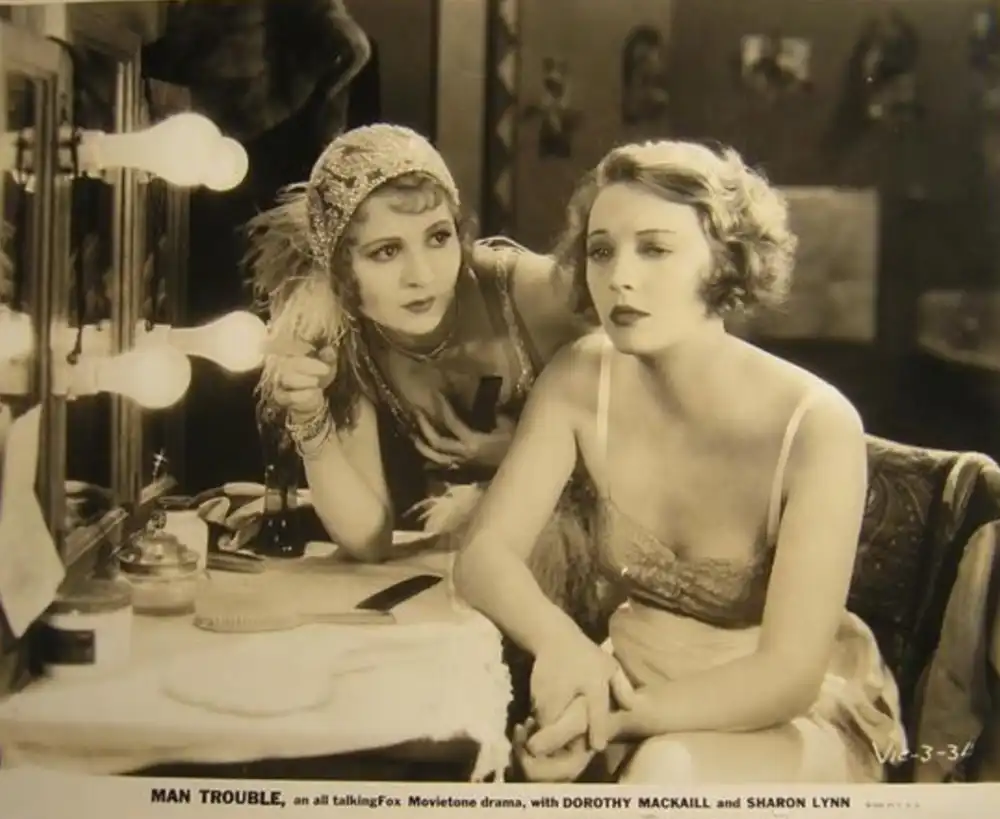
Dorothy Mackaill is charming enough as Joan. She’s caught between these two very different men. You get why Joe is drawn to her, she’s got that innocence mixed with a bit of spunk. Her dilemma feels real, even if the acting styles of the era can sometimes make it seem a touch theatrical to modern eyes.
Kenneth MacKenna’s Bob, though. He’s the 'younger, more-genteel lover,' and honestly, he’s a bit bland. He’s handsome, sure, but he doesn't have the *oomph* Sills brings. It makes you wonder what Joan really sees in him beyond just being… nice. There’s a scene where he’s trying to be assertive, and it just falls flat. It’s almost comedic.
The pacing of Man Trouble is pretty typical for its time. There are moments that linger a touch too long, letting you soak in the melodrama. Other times, things move along briskly, especially when Joe is getting into some kind of, well, trouble. The title isn’t wrong.
One small thing I noticed: the nightclub scenes. They have this particular kind of smoky, bustling atmosphere that feels very authentic to the period. The extras are doing their thing, dancing, talking. It's not over-produced. You can almost smell the stale cigarettes. 🚬
There's a moment, not too far in, where Joe just *stares* at Joan for what feels like forever after he's saved her. It’s meant to be romantic, I think, but the silence starts to feel a little awkward rather than purely emotional. Like, okay, we get it, you’re smitten. Move along, please.
Roscoe Karns pops up in a small role, and he always brings a bit of spark. Even in a film like this, from way back, his presence is a welcome bit of familiar energy. He’s just naturally interesting to watch, even if he’s only on screen for a few minutes.
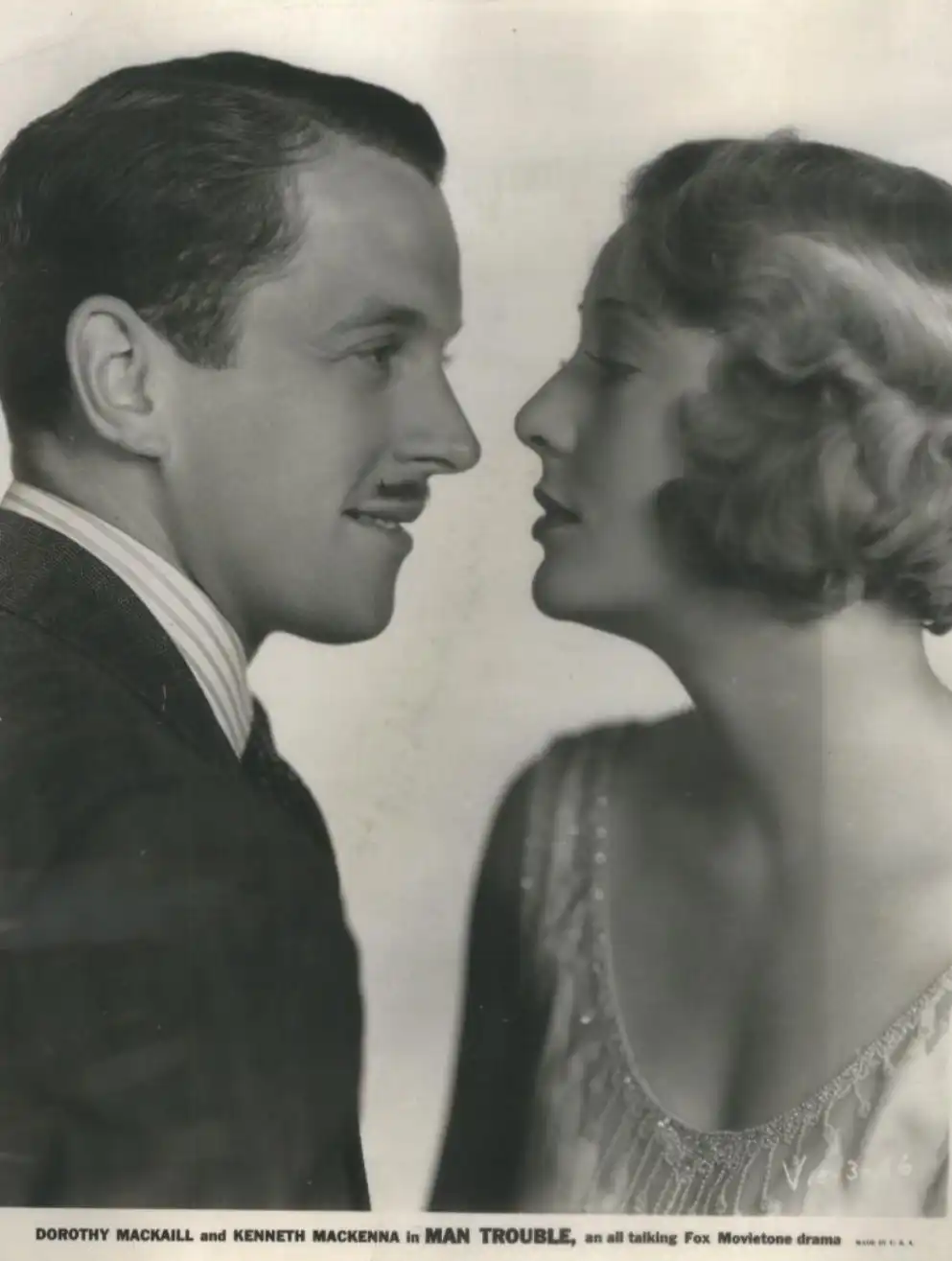
The movie gets noticeably better once it stops trying to be overly serious about the love triangle and leans a bit more into the 'trouble' aspect hinted at in the title. There's a slight shift, and you feel the plot pick up a little. Not quite a thriller, but definitely more engaging than just watching two guys pine for the same woman.
All in all, Man Trouble is a charming peek into early Hollywood storytelling. It’s not a masterpiece, and it won’t redefine cinema for you. But for those interested in the history of film, or just curious about how actors like Milton Sills and Dorothy Mackaill commanded the screen, it’s a perfectly decent watch. It’s got heart, even if it sometimes wears it a little too obviously on its sleeve. Definitely a curious artifact more than a forgotten gem.
IMDb —
1917
Community
Log in to comment.